×
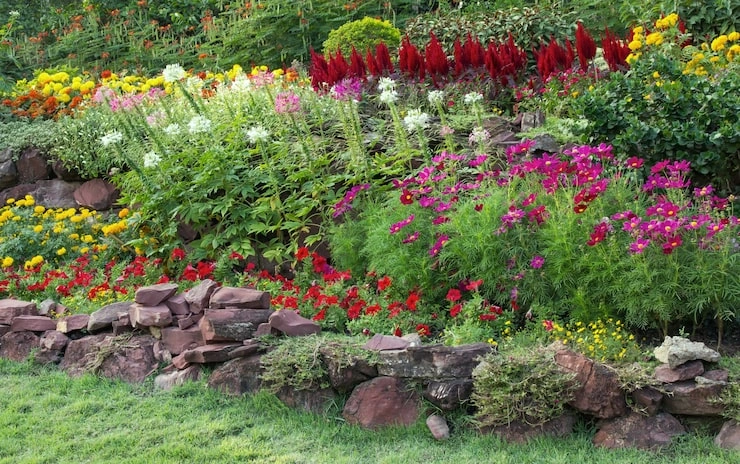
You know what I hate? Deadheading. I hate standing out there in the heat, snipping off old flowers one by one. I hate it so much I stopped doing it. And you know what? My garden looks fine. Better than fine. People stop and ask me what I do. Nothing. That is what I do. I used to think gardening had to be hard. My mother spent every weekend out there. She was always bent over something. Pulling. Cutting. Watering. Spraying. She loved it. I do not. So I found another way. I found flowers that do not need me. Flowers that grow whether I pay attention or not. Flowers that come back every year without me asking.
Let me tell you about them.
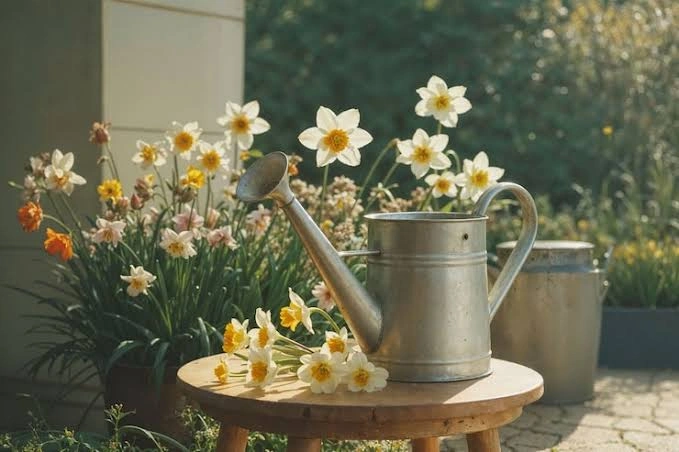
My friend buys new flowers every spring. She spends a hundred dollars at the garden center. She plants them all in one weekend. She waters them for weeks. Then by August they are dead. She does it all again next year.
I do not do that.
I bought perennials. That means they come back. Every spring they show up again. I do not have to buy them again. I do not have to plant them again. I just wait and they appear. Some of mine have been coming back for ten years. Ten years. That is ten springs I did not have to go to the garden center. That is ten springs I did not have to dig holes. The ones that come back are tough. They have deep roots. They find their own water. They do not need me to hold their best flowers for a low maintenance garden.
Read Also: Easy Low Maintenance Flower Garden Ideas for a Busy Yard
My front yard gets blasted with sun. From morning until evening. Nothing gets shade out there. Some flowers would fry. Not these.
I planted Russian sage because I heard deer do not eat it. That was true. They do not. But I kept it because it looks good. It gets tall. Three feet maybe four. The flowers are pale blue. They start in July and keep going until the first freeze. That is a long time. I almost never water it. The first summer I did. Just to get it started. After that I stopped. It does fine. The soil gets bone dry and it does not care. The bees like it. A lot of bees. They buzz around those blue flowers all day. I like watching them.
These are the ones that look like little suns. Yellow petals. Dark centers. They are cheerful. They bloom for weeks. Weeks and weeks. Sometimes they are still blooming when the snow comes. That is impressive. They spread. Not in a bad way. They just make more of themselves. Every year there are more than the year before. That means I have more flowers without doing a thing. The butterflies come to these. Monarchs. Painted ladies. They land on them and sit there. I have seen them sit for minutes at a time.
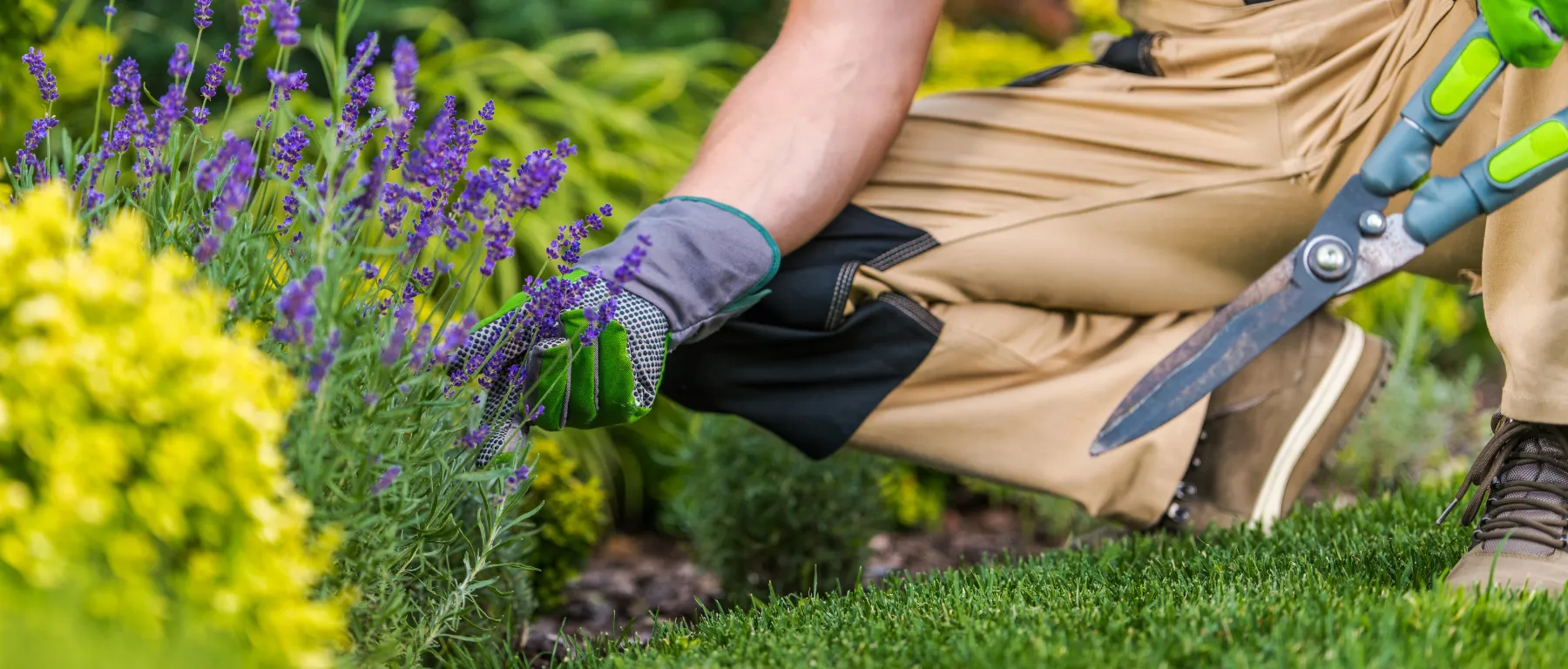
Lavender smells great. Everyone knows that. But not everyone knows how tough it is. It comes from places that are hot and dry. The Mediterranean. So it does not need much water. It actually hates too much water. The roots rot if they stay wet. I planted mine in sandy soil. It drains fast. I water it maybe twice a summer. That is all. It grows like a weed. The smell keeps bugs away. Mosquitoes do not like it. I have noticed fewer of them near the lavender. That is a nice bonus.
Yarrow is the easiest plant I have ever grown. And I have grown a lot. It grows in bad soil. It grows in dry soil. It grows in sun. It does not get eaten by bugs. It does not get sick. The flowers are flat clusters. They come in red and pink and yellow and white. They bloom all summer. I have to pull it back sometimes. It spreads fast. That is not a problem in my yard because I have a lot of space. If you have a small garden, watch it. It will take over.
These are the ones with the big brown centers. The centers are full of seeds. The birds love them. Goldfinches come in the winter and eat the seeds. They sit on the flower heads and pick at them. They hang upside down. It is funny to watch. I do not cut the old flowers off. The birds do that for me. So I do not deadhead. I just leave them and the birds come.
Sedum has thick leaves. They hold water. That is why it does not need much.
The flowers come late. Late summer. Early fall. When everything else is done, sedum is just getting started. The flowers are pink. They look good with the changing leaves. I never fertilize this. I never prune it. I just leave it alone.
Not everyone has a sunny yard. My back yard has a big oak tree. It blocks a lot of light. But I still have flowers back there.
These are fun. The buds puff up like balloons. Then they pop open into star-shaped flowers. The flowers are blue. Pretty blue. They can take sun or shade. That makes them flexible. I have them in both places. They do fine in both.
I have had mine for fifteen years. Fifteen years and I have never split them. Never fertilized them. Never done anything to them. They just keep blooming.
Hydrangeas are big shrubs. Huge flower clusters. They stay for months. The flowers start pink or blue and fade to green and then brown. They look good the whole time. Mine are at least six feet tall. They get morning sun and afternoon shade. That is what they like. They live a long time. Fifty years. That is a long time to have a plant. I will be old when these die.
These are grown for the leaves. The leaves are pretty. Green, amber, burgundy. They look good all season. The flowers are small. They grow on tall stems. Hummingbirds come to them. I like seeing the hummingbirds. They like part shade. They are hardy in zones four through eight. That covers a lot of the country.
Hostas are shade plants. Everybody knows that. They have big leaves. Some are green. Some have white edges. Some are yellow. The flowers are not much to look at. They are purple and small. But they smell good. Do not plant them deep. The crown needs to be above the soil. If you bury it, the plant rots. That is the one thing you have to remember.
Under my oak tree, nothing gets sun. Just shade all day. Most plants fail there. But some do not.
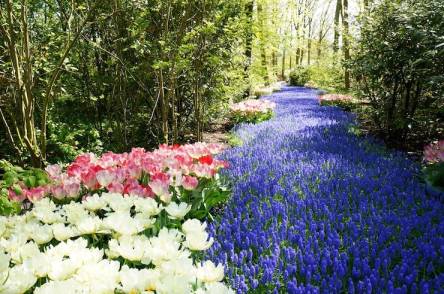
Some flowers bloom for a few weeks and stop. That is okay. But if you want color all summer, you need long bloomers.
You May Also Like: Low-Maintenance Seasonal Flower Garden Plants
Bees are having a hard time. Their numbers are down. You can help them just by planting the right flowers. It does not take extra work.
Ground covers stop weeds. They also stop soil erosion. And they look good.
I do not do anything special. I dig a hole. I put the plant in. I water it a few times. Then I leave it. But there are a few things I do that help. I pull weeds before I plant. That saves me from pulling them later. Weeds steal water and food. Get rid of them first. I use mulch. Mulch keeps moisture in the ground. It stops weeds from growing. It keeps the roots cool. I put down two or three inches. Not right against the stems. Just around them. I water deep. Not a little every day. That is bad. A deep watering once a week is better. It makes the roots grow down. Deep roots find water even in dry times. I group plants together. Sun plants together. Shade plants together. That makes watering easier.
I made a lot of mistakes. You can learn from mine. I overwatered. That is the biggest mistake. Most of these plants die from too much water, not too little. They are tough. They can handle dry. They cannot handle wet feet. I put sun plants in shade. They got weak. They did not bloom. They got sick. I had to move them. That was work. I did not give them enough room. They got crowded. They fought for water. They got diseases. Now I space them out.
I used to think gardening was about doing things. Watering. Cutting. Fertilizing. Spraying. All those things. Now I think it is about not doing things. Not watering so much. Not cutting everything back. Not fertilizing. Not spraying. The plants do the work. I just watch. My neighbor is still out there every weekend. She is still bent over. Still digging. Still pulling. Still cutting. I am sitting on my porch. Drinking something cold. Watching the bees. Watching the butterflies. Watching the birds eat the seeds. My garden looks just as good as hers. Maybe better.
Pick one flower from this list. Just one. Put it in the ground. See how it does. If it does well, add another one next year. And another one the year after that. You do not have to do it all at once. The garden grows over time. It does not happen overnight. Start small. Keep it simple. Let the plants do their job.
.