×
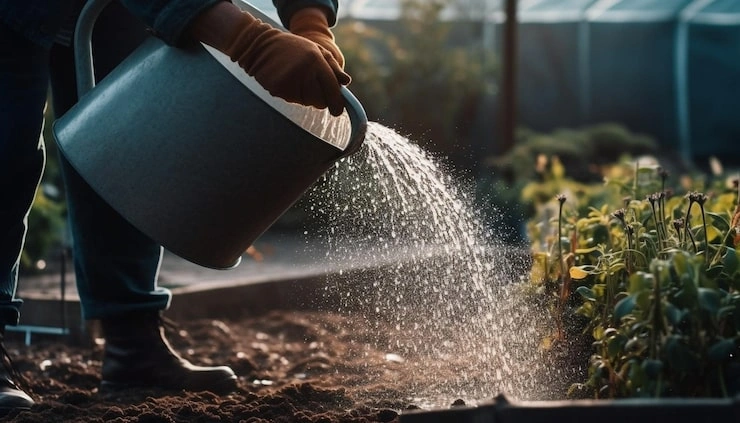
Summer gardening in the heat, I mean real heat where you walk outside at eight in the morning and already feel it pressing down on you, that kind of heat changes everything about how you have to tend a garden. What you got away with in May and June stops working. I've killed more plants than I want to admit by not adjusting fast enough when the temperature shifted. You think you're doing the right thing because it worked before, then suddenly things are yellow and crispy and you're standing there with a hose wondering where it all went wrong.
So here's what I've actually learned, the stuff that sticks. Some of this came from old guys at community gardens who've been growing food for forty years, some of it I figured out by messing up repeatedly. None of it is complicated theory. Just things that keep plants alive when the sun is trying to best gardening tips for hot summer weather.
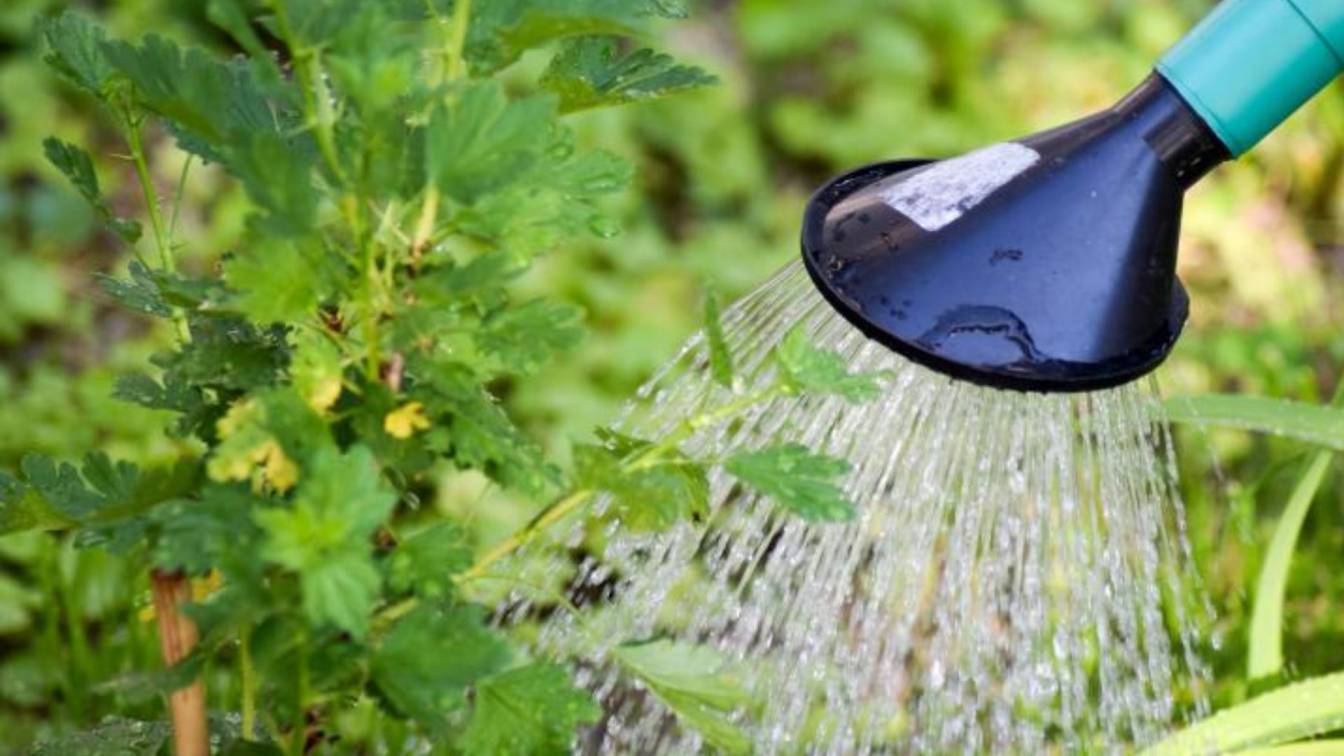
Everybody waters. But most people, and I did this too for years, they water at the wrong time in the wrong way and it barely helps. You go out in the evening because it's cooler and you're home from work, you spray everything down for a few minutes, the leaves get wet, the top of the soil looks dark, you feel like you did something good. Then the next afternoon your plants are wilted again and you do the same thing.
What's happening underground though is the problem. Light frequent watering keeps roots up near the surface because that's where the moisture is. Surface roots in July, when the sun is hammering the ground, those roots basically cook. The soil temperature up near the top can get hot enough to hurt root tissue. Not kill it outright maybe but stress it badly. So the plant can't take up water properly no matter how much you give it.
Deep watering changes where the roots live. You soak the ground slowly so water goes down six inches, eight inches, deeper if you can manage it. Roots follow moisture down. Down where the soil temperature stays steady and cool even during a heat wave. A plant with deep roots can handle a 95 degree day without collapsing because it's drinking from a reservoir way below the heat zone.
Soaker hoses are great for this. Cheap ones, you just snake them through your beds, turn the tap on low, and let it run for an hour or two. The water seeps straight down. No runoff, no evaporation, no wet leaves inviting fungus problems. I put mine on a timer so it runs at 5 a.m. That way the water is deep in the soil profile before the sun gets strong. If you can't do morning, fine, just do it whenever you can but try to keep the leaves dry if you're watering later in the day.
One more thing about wet leaves at night. They cause problems. Mildew, blight, all kinds of fungal junk that thrives in warm damp darkness. So if evening is your only option, water the soil directly, not the plant. Keep the foliage as dry as you can.
Read Also: Eco Friendly Gardening Tips For Sustainable Homes
I used to skip mulch because it seemed like extra work and I didn't really get why it mattered. Now I consider it non-negotiable once the weather heats up. Bare dirt in summer sun gets blazing hot. Put your hand on it around 2 p.m. It's uncomfortable to hold there. Roots growing near the surface in that kind of heat are struggling even if you can't see it.
A good mulch layer, I mean two or three inches thick, not that thin little scattering some people do, it drops the soil temperature significantly. And it traps moisture that would otherwise just evaporate straight up into the dry air. You water less often because the ground holds onto it longer. Fewer weeds too, which compete for whatever water is there.
I use whatever organic material I have handy. Straw bales from the farm store are cheap and break down nicely over the season. Grass clippings work but let them dry out a day first, fresh wet clippings can mat together into a slimy mess and get smelly. Shredded leaves from last fall if I still have any bags left. Wood chips are good too especially around perennial beds and shrubs, they last longer.
Just don't pile mulch right against the stems of your plants. Leave a little gap, an inch or two of space around the base. If mulch is constantly damp against the stem, it can cause the stem to rot. I lost a whole tomato plant once to stem rot from mulch piled too close. Simple mistake but it cost me.
This was a shift in thinking for me. Instead of trying to force delicate plants through brutal summers with constant babysitting, I started growing more things that genuinely thrive in heat. It's so much easier. You're not fighting nature, you're going along with it.
Okra is the king of hot weather vegetables. It stands there looking completely unfazed when everything else is drooping. Sweet potatoes love heat too, once they get established they just go. Eggplants and peppers, same thing. They're originally from warm parts of the world, this is their kind of weather.
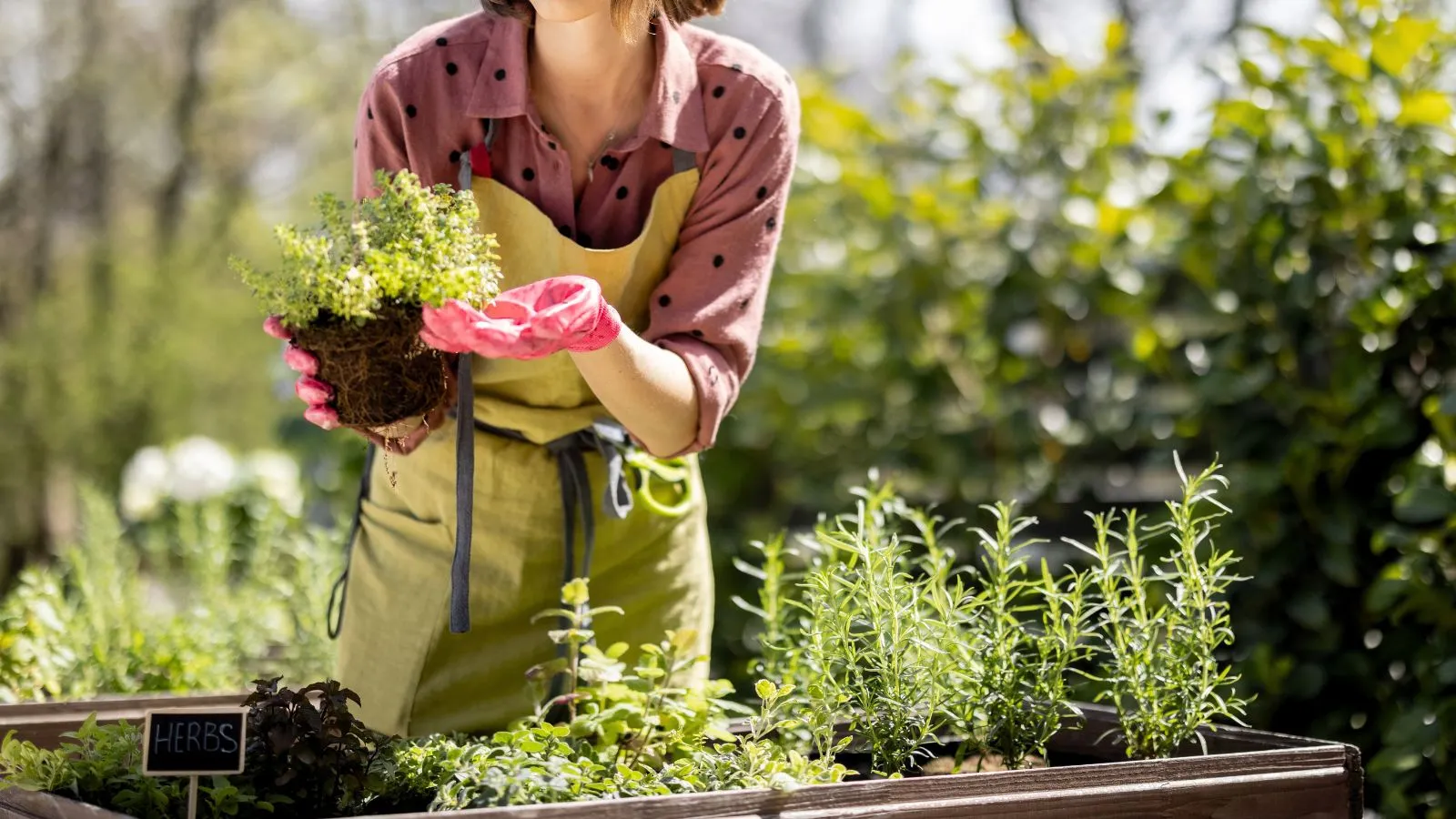
Herbs from the Mediterranean, rosemary, thyme, oregano, they actually taste better when they're grown in full sun and not pampered with too much water. The stress concentrates the oils in the leaves that give them flavor. My rosemary bush sits in the hottest part of my yard and I ignore it most of the summer and it thrives.
For flowers that keep blooming through August heat, zinnias are bulletproof. Marigolds, cosmos, lantana, blanket flower, they all just keep going. Portulaca, which some people call moss rose, is practically a succulent, it laughs at heat and drought.
Native plants are even tougher. They evolved in your local climate. They've seen worse summers than this one, thousands of them, over centuries. Find out what grows naturally in your area and incorporate some of it. Less work, less water, more butterflies and bees and birds.
Also, put thirsty plants together in one spot and drought tolerant ones in another. That way when you're watering, you can soak the needy section thoroughly without wasting water on plants that don't want it. Seems obvious but a lot of people scatter things randomly and then wonder why some are overwatered and some are dry.
I delayed buying shade cloth for years because I thought it was some specialized thing for serious growers. It's literally just a piece of woven fabric. You can get it at any garden center or online for not much money. Thirty to fifty percent shade factor is plenty for vegetables and flowers.
You hang it on a simple frame over your beds or even just drape it over some stakes during the hottest hours of the day. Midday sun, especially that harsh afternoon sun from like 1 to 5 p.m., that's what really beats plants down. A shade cloth cuts that intensity. The air underneath is noticeably cooler, the plants aren't getting blasted by direct rays. They can breathe.
Take it off in the morning and evening so they still get good light for photosynthesis. During an extreme heat wave though, like multiple days above 100, I just leave it up. The plants slow down anyway in those temperatures, they're in survival mode, the reduced light won't hurt them short term.
Brown grass in summer isn't dead grass. It's dormant. The plant shuts down the top growth to protect the crown and roots, waiting for cooler wetter weather to return. A lot of people panic and start watering their lawn like crazy trying to green it back up. That's expensive and forces the grass out of dormancy, which stresses it more in the long run.
If you're going to water your lawn through summer, water deeply and not very often. A good soaking once a week, maybe twice if it's really brutal, encourages roots to go deeper. Light daily sprinkling keeps roots short and weak.
Also raise the mower height. Taller grass shades the soil surface, keeps the crowns cooler, reduces evaporation from the ground. Cutting grass short in summer is like giving your lawn a sunburn. I set my mower as high as it goes from late June through early September.
Fertilizer during a heat wave is risky. It stimulates new growth, tender soft leafy growth, and that new growth is the most vulnerable to heat damage and sun scorch. The plant puts energy into pushing out fresh leaves and then those leaves get fried. Now the plant has wasted resources and is more stressed than before.
If your plants clearly need nutrients, they're yellowing or growing poorly, use something very gentle. Compost spread on top of the soil as a top dressing is the safest option. It releases nutrients slowly as it breaks down, feeds the soil biology, improves water retention. Chemical fertilizers hit fast and hard which is the opposite of what heat stressed plants need.
I learned this lesson with my tomatoes. Fertilized them in mid July during a hot spell thinking I was helping them along. They put out a flush of new growth and within three days every new leaf was curled and scorched. The plant survived but it set it back noticeably. Now I do all my feeding in spring and early summer, then stop once the real heat arrives.
Plants communicate their stress pretty clearly if you know what to look at. Leaves that curl upward or fold inward are reducing their surface area to conserve moisture. That's an early warning. Leaves that look dull instead of glossy or vibrant, another sign the plant is struggling with water loss. Wilting in late afternoon is not automatically a crisis. A lot of plants wilt a bit at the hottest part of the day even with adequate soil moisture, they simply can't pull water up fast enough to match what's evaporating from the leaves.
Check the soil with your finger before you react to wilting. Dig down a few inches near the roots. If it's still damp, adding more water isn't going to help and might actually hurt by drowning roots that are already working hard. If it's dry down there, then yes, water deeply.
Sometimes during extreme heat, plants just pause. They stop growing, they stop flowering, they're just holding on. That's normal. Don't try to force them out of it with water or fertilizer. Let them ride it out. When the weather breaks they'll start growing again.
Read: Seasonal Gardening Tips for Small Backyard Garden
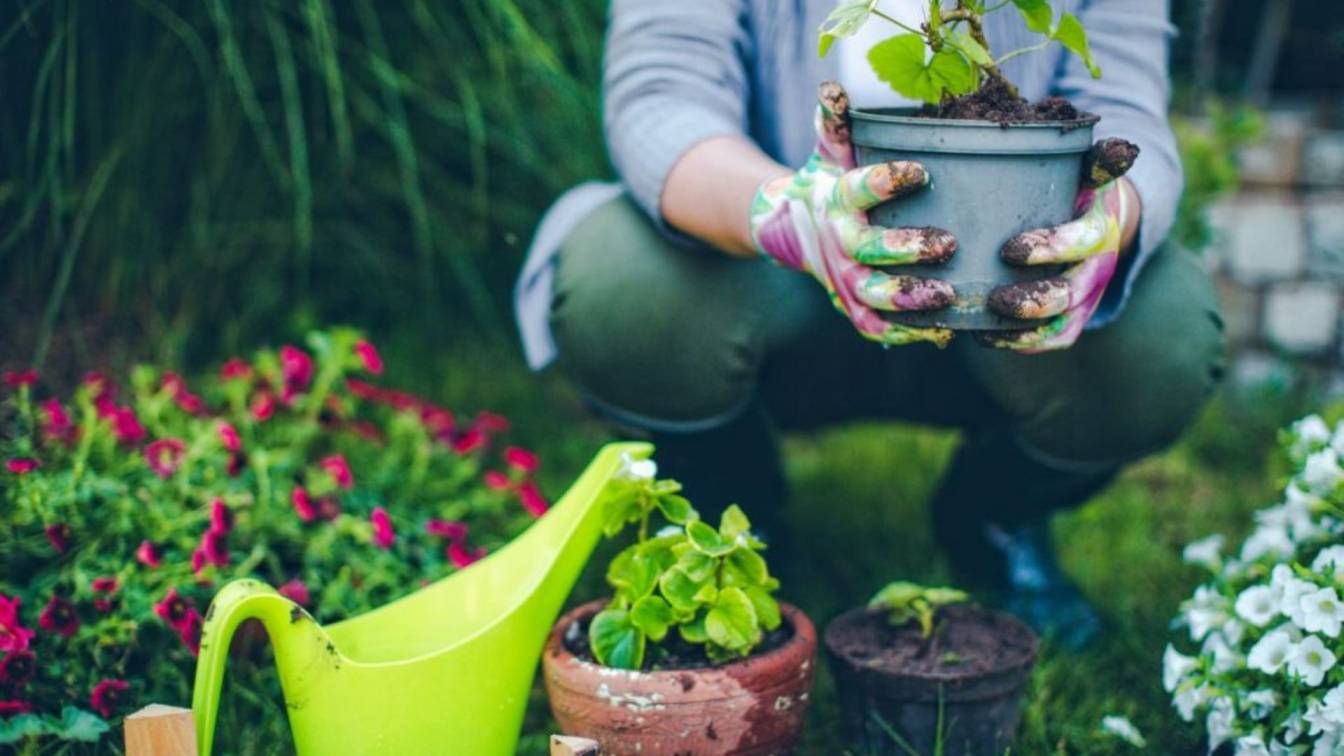
The best time to prepare for summer heat is actually spring and fall. Adding organic matter, compost, aged manure, leaf mold, whatever you've got, to your soil builds a structure that holds water and drains well at the same time. Sandy soil that drains too fast becomes more retentive. Clay soil that holds too much water becomes looser and better aerated. Good soil is the foundation of the best gardening tips for hot summer weather.
Planting trees or tall shrubs on the south and west sides of your garden creates permanent afternoon shade. Even a small tree drops the temperature in its shade by ten degrees or more. That's a long term investment but it pays off every single year.
I've also started saving all my fall leaves in wire bins instead of bagging them for the trash. By the following summer I have free mulch that's partially broken down and perfect for spreading around plants.
Gardening in summer heat is mostly about watching, adjusting, and not panicking. Water deep, keep the soil covered, pick plants that belong in your climate, give sensitive things some afternoon shade. Do those things consistently and most plants will surprise you with how tough they actually are. They want to live. You just have to not get in their way with bad habits.
.