×
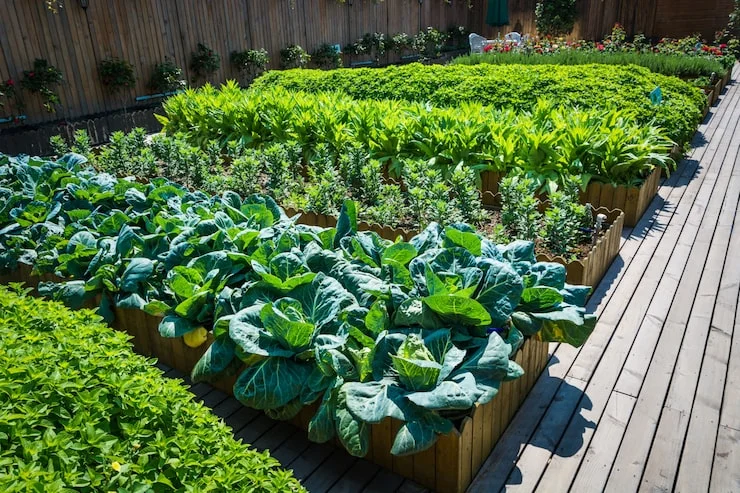
Raised garden beds change the way vegetables grow. The soil warms faster in spring. Water drains away instead of pooling around roots. You control what goes into the dirt rather than working with whatever your yard happens to have. These differences matter more than most people realize when they start planning what to plant.
This guide covers the vegetables that actually perform well in raised beds. Not just a list, but why each one works, what it needs, and how to get a real harvest from the best vegetables to grow in raised garden beds.
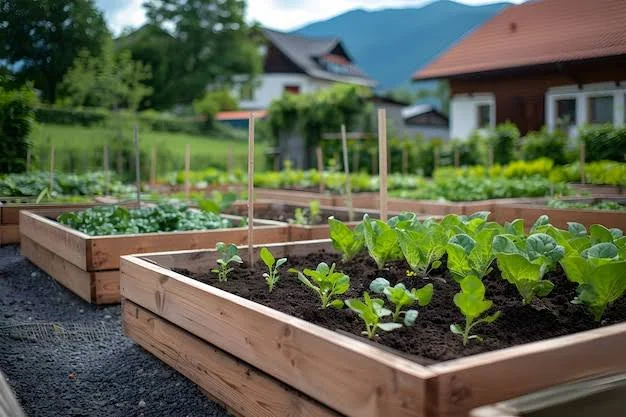
A raised bed gives you about twelve to eighteen inches of loose, rich soil sitting above the ground. That depth sounds generous until you compare it to what plants do underground. Tomatoes send roots down two feet or more. Carrots want to stretch straight down without hitting rocks or hard clay. Melons and squash sprawl across the surface and need room to run.
The vegetables that thrive in raised beds share a few traits. They either have shallow root systems, grow compactly, or benefit from the faster drainage and quicker warm-up that raised beds provide. Crops with deep taproots do well too, but only if the bed is deep enough to let them grow without obstruction.
There is also the matter of control. In a raised bed, you decide what the soil is made of. You can build a mix that holds moisture without staying soggy, that feeds plants steadily without burning them, and that stays loose enough for roots to push through easily. That level of control is hard to achieve in ground that has been sitting there for decades.
Read Also: Low Maintenance Vegetables For Busy Gardeners
Lettuce and leafy greens might be the single best use of a raised bed. They grow fast, take up little space, and you can harvest them again and again from the same plant. Loose leaf lettuce reaches picking size in about thirty days. Spinach and arugula move almost as quickly.
The key with greens is succession planting. Instead of sowing one big patch and watching it all bolt when the weather turns warm, sow a small block every two or three weeks. This keeps a steady supply coming without any single planting overwhelming you. Kale and Swiss chard work differently. They keep producing for months if you harvest the outer leaves and leave the center to keep growing.
Raised beds help greens in one specific way: drainage. Lettuce and spinach hate sitting in water. In a raised bed, excess moisture moves down and away, which reduces the chances of root rot and keeps plants healthier through wet springs.
Root crops are where raised beds prove their worth most clearly. In regular garden soil, carrots fork and twist when they hit a rock or a pocket of hard clay. In a raised bed filled with loose, screened soil, they grow straight and clean.
Carrots need depth. Twelve inches minimum, and more is better for longer varieties. If your bed is shallower than that, choose short varieties like Parisian or Chantenay that produce round or stubby roots instead of long ones. Beets are more forgiving about depth but still appreciate loose soil. They also give you two harvests in one plant: the root and the greens.
Radishes are the fastest root crop you can grow. French Breakfast types are ready in about three weeks. Daikon radishes take longer and need deeper soil, but a bed that is twelve inches deep gives them enough room to stretch. The one thing root crops do not like is competition. Thin them properly when they sprout. Crowded carrots stay small and misshapen.
Tomatoes and peppers both love warm soil. Raised beds warm up earlier in spring than ground beds, which means you can plant them sooner and get fruit earlier in the season.
The trade-off is support. Indeterminate tomatoes grow tall and keep growing until frost. In a raised bed, that means you need a sturdy trellis, a cage, or a Florida weave system to keep the plant upright and the fruit off the ground. Determinate varieties stay smaller and need less fuss, which makes them a better fit for smaller beds or gardeners who want less maintenance.
Peppers follow the same logic. They grow well in raised beds because the soil drains freely and stays warm. Larger fruiting types benefit from a stake to keep the stem from snapping under the weight of the peppers. A layer of mulch and a drip line make a noticeable difference in how well peppers produce through the heat of summer.
Beans and peas do something most vegetables cannot: they pull nitrogen out of the air and put it into the soil. That means they feed themselves and leave the soil better for whatever you plant next.
Bush beans stay compact and do not need a trellis. They produce quickly and then stop, which frees up the space for a second crop. Pole beans climb and keep producing for a longer stretch. Either type fits in a raised bed as long as you give pole varieties something to climb on.
Peas are a cool-weather crop that works well in spring and fall. Snap peas are especially worth growing because you eat the whole pod, no shelling required. Even short varieties benefit from a simple trellis or a piece of string run between two posts.
Cucumbers grow well in raised beds if you train them upward. A trellis keeps the vines off the ground, which reduces disease and makes the fruit easier to find when you are picking. It also saves space, since the plant grows vertically instead of sprawling across the bed.
Summer squash and zucchini are heavy feeders. They want rich soil and plenty of room. Bush types fit better in raised beds than vining types because they stay contained instead of running across the yard. Plant them two to three feet apart and pick the squash when it is small, about four to six inches long. At that stage, the flavor is best and the plant keeps producing.
Melons in raised beds might sound like a stretch, but they work if you manage the vines. The warm soil gives melons a head start and can lead to an earlier harvest.
The trick is to let the vines trail over the side of the bed or train them up a strong trellis. If you grow them vertically, the developing fruit needs support. A mesh bag, a piece of cloth, or a small hammock tied to the trellis keeps the melon from pulling the vine down as it gets heavier.
Some vegetables just do not fit. Corn is the clearest example. It grows tall enough to shade everything else, and it relies on wind to pollinate. In a small raised bed, the pollination is poor and the yield is disappointing.
Broccoli and cauliflower take up a lot of space, grow slowly, and pull heavy nutrients from the soil. They also spread wide leaves that block light from smaller plants nearby. In a raised bed where space is limited, they are a poor trade.
Pumpkins and large watermelons need room to run. A single pumpkin vine can stretch twenty feet. Keeping that contained in a raised bed is not realistic. These crops are better in a ground plot where the vines have space to spread.
Perennial crops like asparagus, rhubarb, and blueberries also cause problems. They need to stay in the same spot year after year, which means the bed cannot be used for anything else. Blueberries need acidic soil that most vegetables do not tolerate. Keep perennials separate from your annual vegetable beds.
Raised bed soil needs to do three things: hold moisture, drain excess water, and feed plants. A mix that is all compost stays too wet and eventually compacts. A mix that is all topsoil can be too heavy and slow-draining.
A balanced starting point is roughly half topsoil, thirty percent compost, and twenty percent aeration material like coarse perlite or pumice. That blend gives you fertility from the compost, structure from the topsoil, and drainage from the aeration material. For root crops, lean slightly heavier on the aeration and keep the soil loose all the way down.
Most vegetables grow best at a soil pH between six and seven. Test your soil before planting and adjust if needed. Dolomitic lime raises pH and adds calcium. Elemental sulfur lowers it, but only apply it in small amounts and retest after a few months.
Raised beds dry out faster than ground beds. The soil is exposed to air on all sides, and the drainage that keeps roots healthy also means water moves through more quickly. Most vegetables want about one to two inches of water per week from rain and best vegetables to grow in raised garden beds.
A drip line or soaker hose under a layer of mulch solves most of the watering problem. It puts water right at the roots, keeps the leaves dry, and reduces evaporation. Water in the morning so the foliage has time to dry before evening.
Sun matters just as much. Most vegetables need six to eight hours of direct light. Place your raised bed where it gets full sun for most of the day. If you are growing taller crops like tomatoes or pole beans, put them on the north side of the bed so they do not shade shorter plants.
You May Also Like: Modern Flower Garden Landscaping Ideas
Twelve inches is the minimum for most vegetables. Leafy greens can manage in six to eight inches, but root crops and tomatoes need more. Eighteen inches gives you more flexibility and better results, especially for carrots and deep-rooted plants.
A blend of roughly fifty percent topsoil, thirty percent compost, and twenty percent perlite or pumice gives you fertility, moisture retention, and drainage. Adjust the ratio based on what you plan to grow. Root crops prefer more aeration. Heavy feeders like tomatoes and squash prefer more compost.
Yes. They have similar needs: warm soil, full sun, and good drainage. Give each plant enough space, eighteen inches or more, and provide support for both. They compete for the same nutrients, so replenish the soil with compost between plantings.
Aim for one to two inches per week. Check the soil by pushing your finger down an inch or two. If it feels dry at that depth, it is time to water. Mulch helps slow evaporation and keeps the moisture level more consistent.
Short or stubby carrots usually mean the soil is not deep enough or is too compacted. Carrots need at least twelve inches of loose soil to grow long roots. If your bed is shallower, choose round varieties like Parisian that do not need the depth.
The best vegetables for a raised bed are the ones that match what the bed offers: fast drainage, warm soil, and controlled depth. Leafy greens and radishes take advantage of the quick turnaround. Carrots and beets show off what loose soil can do for root crops. Tomatoes and peppers reward you with earlier harvests because the soil warms faster.
The vegetables that struggle are the ones that need more room, more time, or more pollination than a raised bed can provide. Corn, pumpkins, and perennial crops belong somewhere else.
Start with a few crops that fit your space and your season. Build the soil well. Water consistently. The raised bed does the rest of the work by giving roots the conditions they need to grow without fighting the ground underneath.
.