×
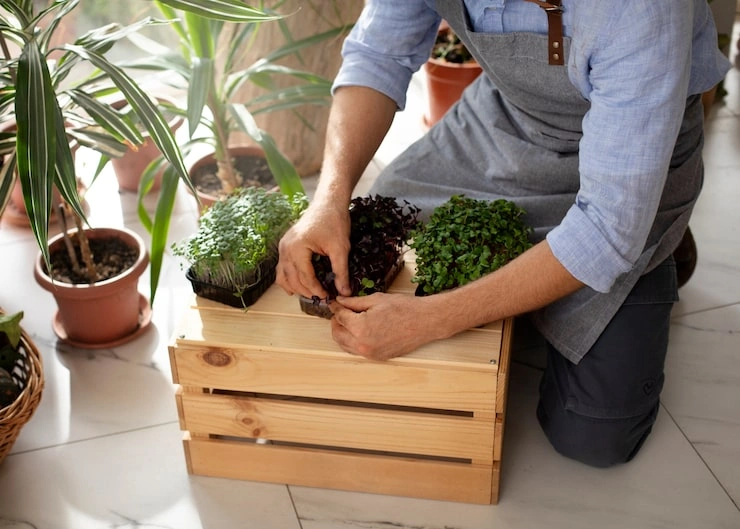
My neighbor grew tomatoes on her fire escape. She had no dirt. No yard. Just three buckets and a dream. Her tomatoes tasted better than anything from the store. That was the day I learned you do not need land to grow food.
You just need a pot. Some dirt. A little water. And a few tricks that container gardening hacks for apartments.
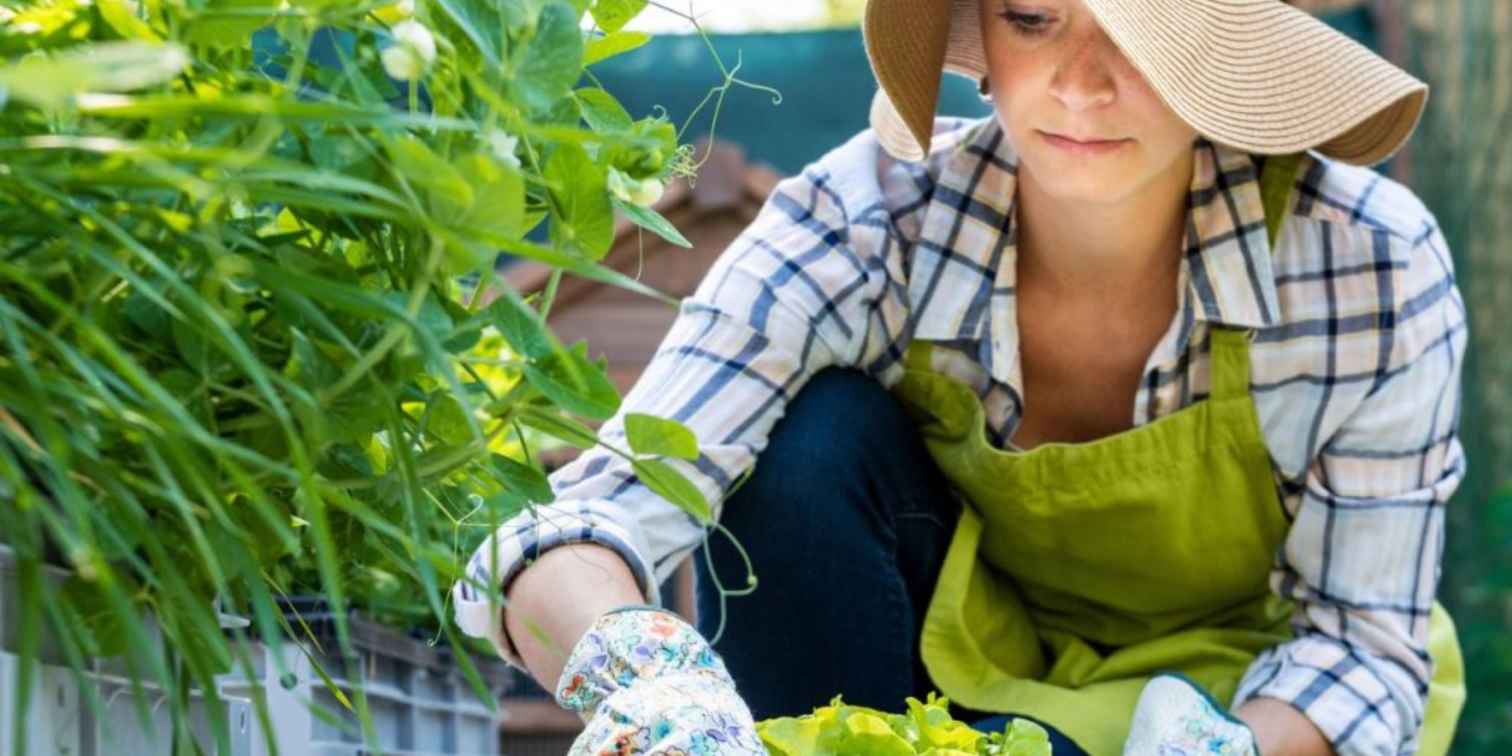
Most people buy a plant. They put it in a pretty pot. They water it every day. Then the plant turns yellow and dies. They think they killed it. But the plant died because of too much love.
Too much water is the number one killer of container plants. Not bugs. Not lack of sun. Water.
When you water a plant every day, the roots sit in wet dirt. They cannot breathe. They rot. The plant looks sick. You water it more because it looks sick. That makes it worse. Then it dies.
Stop watering on a schedule. Water when the plant needs it. How do you know? Stick your finger in the dirt. If it feels wet, wait. If it feels dry, water. That is it.
Read Also: Easy Gardening Hacks For Busy Homeowners
Everyone wants pretty pots. I get it. I used to buy beautiful ceramic pots from the garden center. They cost forty dollars each. The plants died anyway.
Now I use plastic buckets from the hardware store. They cost three dollars. My plants grow better in them.
Here is why. Plastic holds moisture longer than clay. Clay pots suck water out of the dirt. In a hot apartment, clay pots dry out too fast. Plastic keeps the roots happy.
But here is the catch. Your pot must have holes in the bottom. I cannot say this enough. No holes equals dead plant. Water has nowhere to go. The roots drown.
If you find a perfect pot with no holes, do not use it for a plant. Use it as a decorative cover. Put your plant in a cheap plastic pot with holes. Drop that pot inside the pretty one. Take it out to water. Let it drain. Put it back. This trick saves plants and looks good too.
Walk down the garden aisle at the store. You will see bags of garden soil. You will see bags of potting mix. They are not the same.
Garden soil is heavy. It packs down in a pot. Your plant roots cannot spread. They choke.
Potting mix is light. It has bits of white stuff in it. That is perlite. Perlite keeps the dirt fluffy. Roots love fluffy dirt. They spread out. They drink water. They grow strong.
Do not buy the cheapest bag of dirt. Buy potting mix. Read the bag. Make sure it says potting mix for containers. Your plants will thank you.
Your plant lives in a pot. It cannot send roots down into the earth to find food. Everything it eats must come from you.
You can buy plant food at the store. It comes in little bottles. You mix it with water. You feed your plants once a month. That works fine.
But you can also feed plants with things from your kitchen.
Eggshells. Wash them. Let them dry. Crush them with a rolling pin. Sprinkle the pieces into the dirt. The shell adds calcium. Plants need calcium to grow strong leaves.
Banana peels. Chop them up. Bury them in the dirt. They break down slowly. They add potassium. That helps flowers and fruits grow.
Coffee grounds. Mix them into the top layer of dirt. They add nitrogen. That helps leaves stay green.
Do not throw these things away. They are plant food. Your plants will grow better and you will spend less money.
Walk around your apartment. Hold your hand near the window. Feel the warmth. Feel the light.
Every window is different.
South windows get sun all day. This is the best spot. Put tomatoes here. Put peppers here. Put herbs here. Everything loves south windows.
East windows get morning sun. The light is soft. This is good for lettuce and spinach. They do not like harsh sun. Morning light makes them happy.
West windows get afternoon sun. The light is hot. This can burn delicate plants. But strong plants like rosemary and thyme do fine here.
North windows get almost no sun. Nothing grows here except snake plants and pothos. They are tough. They survive low light. They will not give you vegetables but they add green to your room.
If you have no good windows, get grow lights. You can buy them for twenty dollars online. They plug into the wall. They look like regular bulbs. Put them in a desk lamp. Point the lamp at your plants. The plants grow like magic.
My first apartment had a balcony the size of a bathmat. I grew twelve plants on it.
How? I went up.
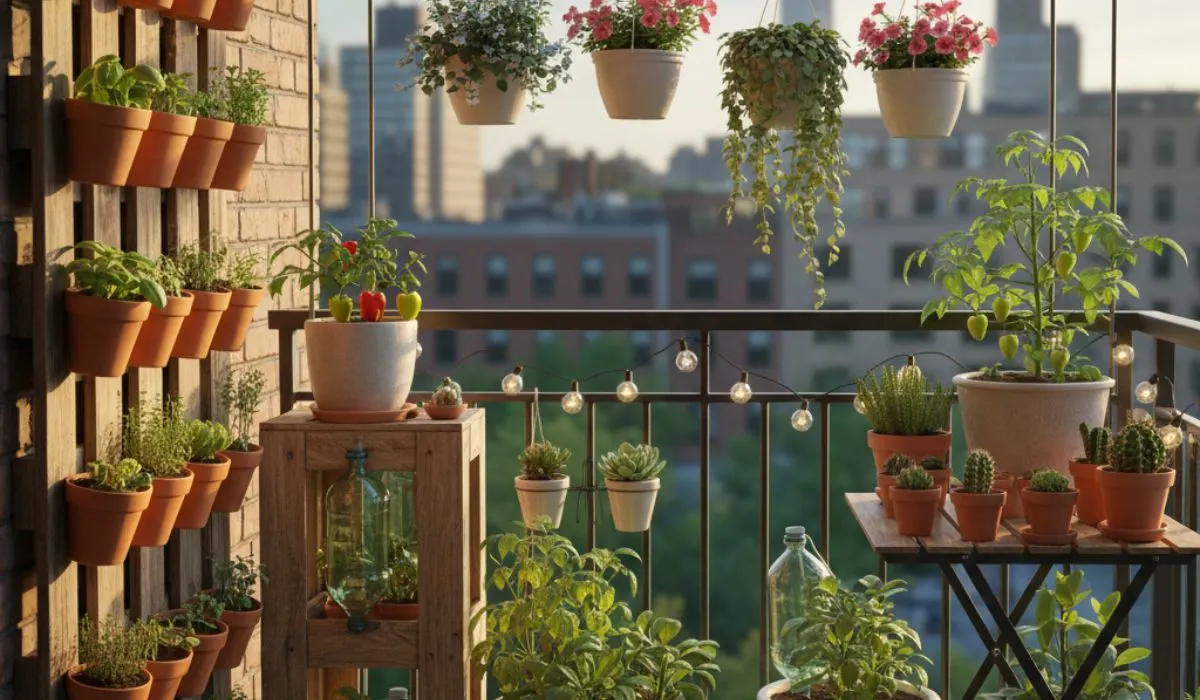
You have walls. Use them. Hang pots from hooks. Put shelves near the window. Stack pots on top of each other. Use a shoe organizer. Hang it on the door. Put small pots in each pocket. That is instant vertical garden.
I used a wooden pallet once. I leaned it against the wall. I stapled landscape fabric to the slats. I filled the fabric with dirt. I cut holes and put plants in. The whole thing took up two square feet of floor space. It held twenty plants.
You do not need a lot of floor space. You need a lot of wall space. Look up. That is where your garden grows.
You can grow three plants in one pot. This is an old trick. Gardeners call it thriller, filler, spiller.
Put a tall plant in the middle. That is your thriller. Something that reaches up. Maybe a pepper plant. Maybe a tall flower.
Put a bushy plant around the sides. That is your filler. Something that fills in the space. Maybe basil. Maybe marigolds.
Put a trailing plant at the edge. That is your spiller. Something that hangs over the side. Maybe strawberries. Maybe trailing rosemary.
One pot gives you three plants. Three different shapes. Three different uses. This works on a balcony. It works on a windowsill. It works anywhere.
Remember what I said about overwatering. It kills more plants than anything else.
Here is a trick. Fill your sink with a few inches of water. Set your pot in the water. Let it sit for thirty minutes. The water will soak up through the holes in the bottom. The dirt will drink from below. This is called bottom watering.
Bottom watering is better than top watering. It encourages roots to grow down. It keeps leaves dry. Dry leaves mean less disease. It also saves water. None of it runs out the bottom and goes to waste.
Do this once a week. Maybe twice in hot weather. Check the dirt with your finger first. If the top inch is dry, bottom water. If it is still damp, wait another day.
What if you leave town? Your plants need water but you are not there.
Here is a trick that costs nothing. Take a plastic water bottle. Poke a tiny hole in the cap. Fill the bottle with water. Turn it upside down. Push the cap into the dirt. The water will drip out slowly. One bottle can water a plant for three or four days.
For longer trips, use a bigger bottle. A two-liter bottle works for a week. Test it before you leave. Make sure the drip is slow. You do not want all the water to rush out in one day.
Another trick. Take a piece of cotton rope. Bury one end in the dirt. Put the other end in a cup of water. The rope will suck water up into the dirt. This works like a wick. Your plant drinks as needed. This trick kept my plants alive during a two-week vacation.
Some plants are easy. Some plants are hard. Start with easy ones.
Basil is the easiest. It grows fast. It tastes good. It smells great. You can grow basil on a windowsill with four hours of sun. Pick the leaves. More grow back. You get basil all summer.
Mint is even easier. Mint grows like a weed. It takes over. Put mint in its own pot. Do not put it with other plants. It will crowd them out. But one pot of mint gives you fresh tea all summer.
Lettuce is easy too. Lettuce grows in shallow pots. It does not need deep dirt. It grows in less light than other vegetables. You can grow lettuce in a window box. Pick the outer leaves. The plant keeps growing.
Tomatoes are harder but not impossible. Cherry tomatoes do best in containers. They need a big pot. At least five gallons. They need full sun. They need support. Put a tomato cage or a stick in the pot. Tie the plant to it. The fruit will grow and you will feel like a farmer.
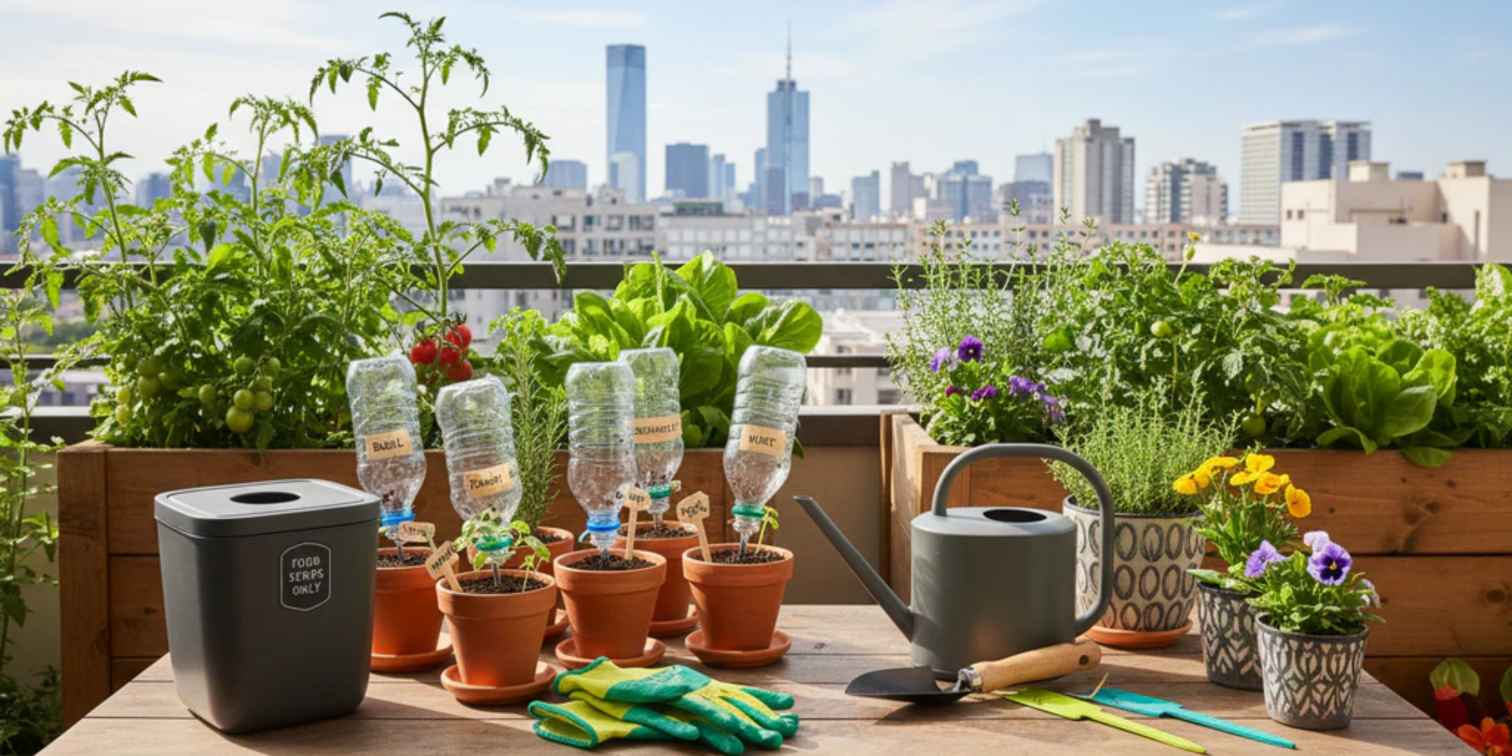
Bugs find plants. It happens. Do not panic.
Aphids are tiny green bugs. They cluster on new leaves. They suck the sap. The leaves curl. The plant looks sick.
Here is what to do. Mix water with a drop of dish soap. Put it in a spray bottle. Spray the bugs. The soap breaks their outer shell. They dry out and die. This works. It is safe. It costs nothing.
Fungus gnats are little black flies. They live in wet dirt. They do not hurt the plant but they are annoying. Let the dirt dry out. The gnats go away. Put a layer of sand on top of the dirt. The gnats cannot lay eggs in sand. Problem solved.
Neem oil is good for many pests. You can buy it at the garden store. It is organic. It does not hurt the plant. Spray it on the leaves once a week. It keeps bugs away before they start.
You May Also Like: Easy Gardening Hacks for Small Balconies: Creative Ideas
Cold weather comes. Your outdoor plants die. You feel sad. Do not feel sad. Bring plants inside.
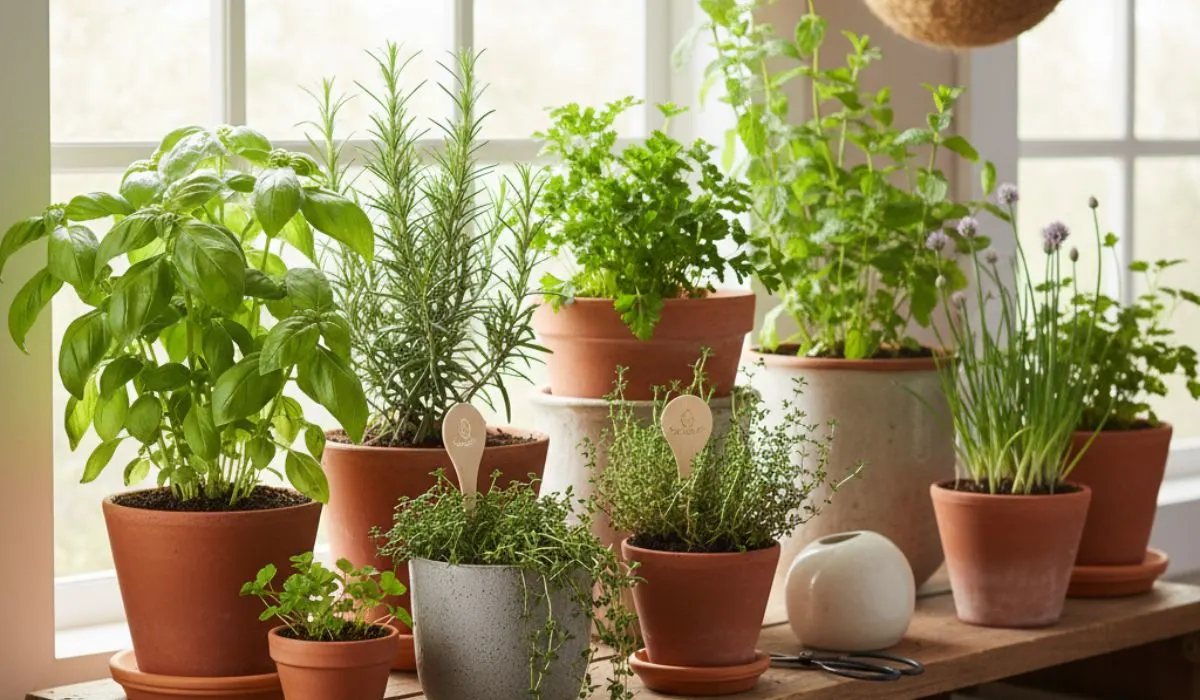
Herbs do well indoors in winter. Parsley, chives, rosemary, sage. They sit on a sunny windowsill. They grow slowly but they grow. You can snip fresh herbs for your cooking. That is better than dried herbs from the store.
If you have grow lights, winter is no problem. The lights make summer inside your apartment. You can grow lettuce all winter. You can grow microgreens. You can start seeds for spring.
Winter is also planning time. Look at seed catalogs. Dream about next year. Make a list of what you want to grow. Order seeds early. They sell out in spring. Be ready.
Gardening can cost a lot. It does not have to.
Do not buy starter plants. Buy seeds. A packet of seeds costs two dollars. It gives you fifty plants. A starter plant costs five dollars. It gives you one plant. Seeds are cheaper.
Do not buy expensive pots. Use things you already have. Yogurt containers. Milk jugs. Takeout containers. Poke holes in the bottom. Fill with dirt. They work perfectly.
Do not buy new soil every year. Reuse old soil. Empty your pots after the plant dies. Break up the old dirt. Mix in some fresh potting mix. Add some fertilizer. It is good as new.
Trade with friends. Give them seeds from your collection. Take their extras. Join a local gardening group on social media. People give away extra plants. People share cuttings. It is a community.
Do not be perfect. Perfect gardeners do not exist. I have killed many plants. I will kill more. That is how you learn.
Your first tomato might be small. That is okay. It is still your tomato. Your first basil might be leggy. That is okay. It still tastes good.
Gardening is not about having a perfect green thumb. It is about trying. It is about watching something grow. It is about eating food you grew yourself.
That feeling never gets old.
Start today. Find a pot. Fill it with dirt. Plant a seed. Water it. Wait. Something will come up. Something always comes up.
That is the point. That is the whole point.
| Problem | Solution |
|---|---|
| Yellow leaves | Too much water. Stop watering. |
| Brown leaf tips | Not enough water. Water more. |
| Plant is leggy | Not enough light. Move to brighter spot. |
| Bugs on leaves | Spray with soapy water. |
| Mold on dirt | Too wet. Let it dry out. |
| No flowers | Not enough fertilizer. Feed your plant. |
| Wilting | Could be too wet or too dry. Check the dirt. |