×
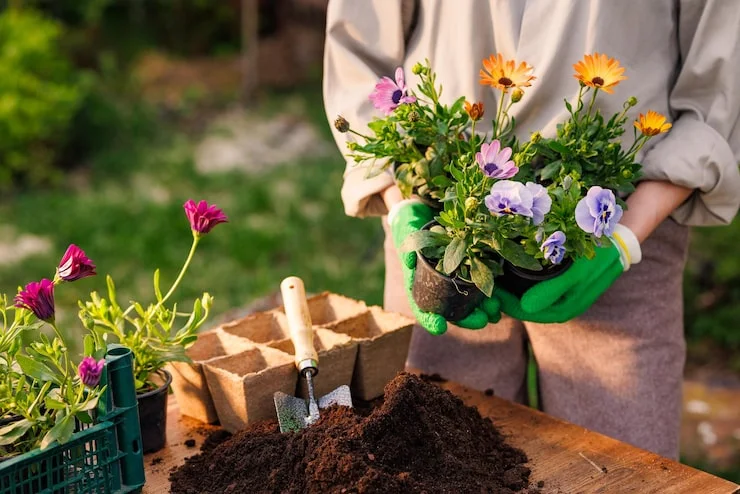
If your outdoor space is small, you can still grow a lot of food and flowers. The secret is to stop thinking about floor space and start thinking about volume. A yard that measures just a few feet wide can produce herbs, tomatoes, peppers, and cut flowers when you use the right methods.
This guide covers practical gardening hacks for small yards. You will learn how to choose containers, use vertical space, pick the right plants, and keep everything healthy without crowding. These methods work whether you have a tiny balcony, a narrow side yard, or a patio that doubles as your only outdoor area.
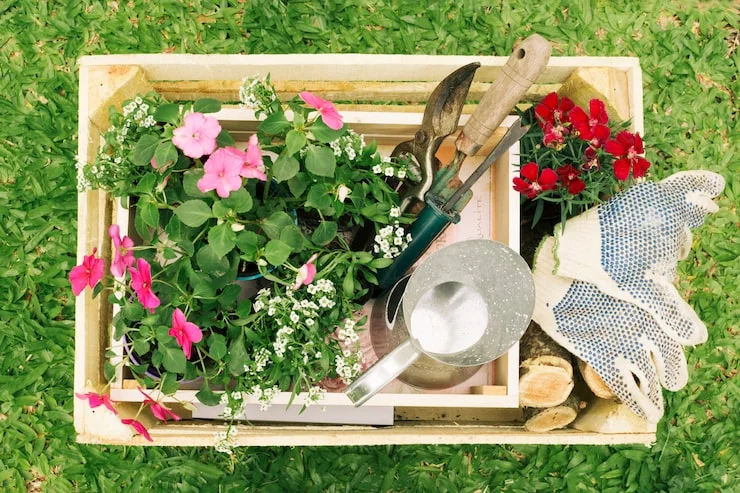
Containers are the foundation of small yard gardening. They let you grow plants anywhere you have a flat surface. But not every pot works well.
Choose containers that are at least twelve inches deep for most vegetables. Shallow pots dry out too fast and leave no room for roots to spread. For herbs and lettuce, eight to ten inches is usually enough. For tomatoes, peppers, and cucumbers, go deeper. Fifteen inches or more gives those plants the root space they need.
Drainage matters more than most people realize. A pot without holes will fill with water after a heavy rain and drown your plants. If you fall in love with a container that has no holes, you can drill a few in the bottom. Just make sure the material can handle it.
Size also affects watering. Small pots need water every day in summer. Large pots hold moisture longer, which saves you time. If you travel or forget to water, bigger is better.
One more thing: lighter colors reflect heat. Dark pots absorb it and can cook plant roots on hot days. If your yard gets full sun, choose white, terracotta, or light gray containers over black or dark brown ones.
Read Also: Gardening Hacks For Growing Tomatoes
The ground is not your only option. Walls, fences, railings, and even the sides of your house can hold plants. This is where small yard gardening gets interesting.
Trellises are the simplest vertical tool. Cucumbers, peas, beans, and small melons all climb if you give them something to grab. A trellis against a sunny wall can turn a blank surface into a productive garden. Lean it against the house or attach it to a fence. The plants grow up instead of out, which saves floor space for other things.
Hanging baskets work for herbs, cherry tomatoes, and strawberries. They also add color at eye level. Just remember that hanging plants dry out faster than ground plants because air moves around them on all sides. Check them daily in summer.
Stackable planters let you grow several layers of greens in the footprint of one pot. You can find models with pockets on the sides or tiers that stack upward. These work well for lettuce, spinach, and herbs.
Wall pockets and vertical grow bags are another option. They attach to fences or walls and hold small plants. Lettuce, chives, and trailing flowers all do fine in them. Just water carefully because the soil volume is small.
A word of caution: do not fill every vertical surface at once. Leave some open space so the yard does not feel like a jungle. A few well-placed vertical elements look intentional. Too many look cluttered.
Not every plant belongs in a small yard. Some grow huge and shade out everything else. Others need more root room than you can give them.
Look for varieties labeled "compact," "dwarf," or "patio" when you shop. These plants have been bred to stay small while still producing a harvest. Dwarf tomatoes, bush cucumbers, and compact peppers are all good choices. They give you fruit without taking over.
Leafy greens are some of the best plants for small spaces. Lettuce, spinach, kale, and Swiss chard all grow well in containers and do not need much room. You can harvest leaves a few at a time and the plant keeps producing. This gives you a long harvest from a single pot.
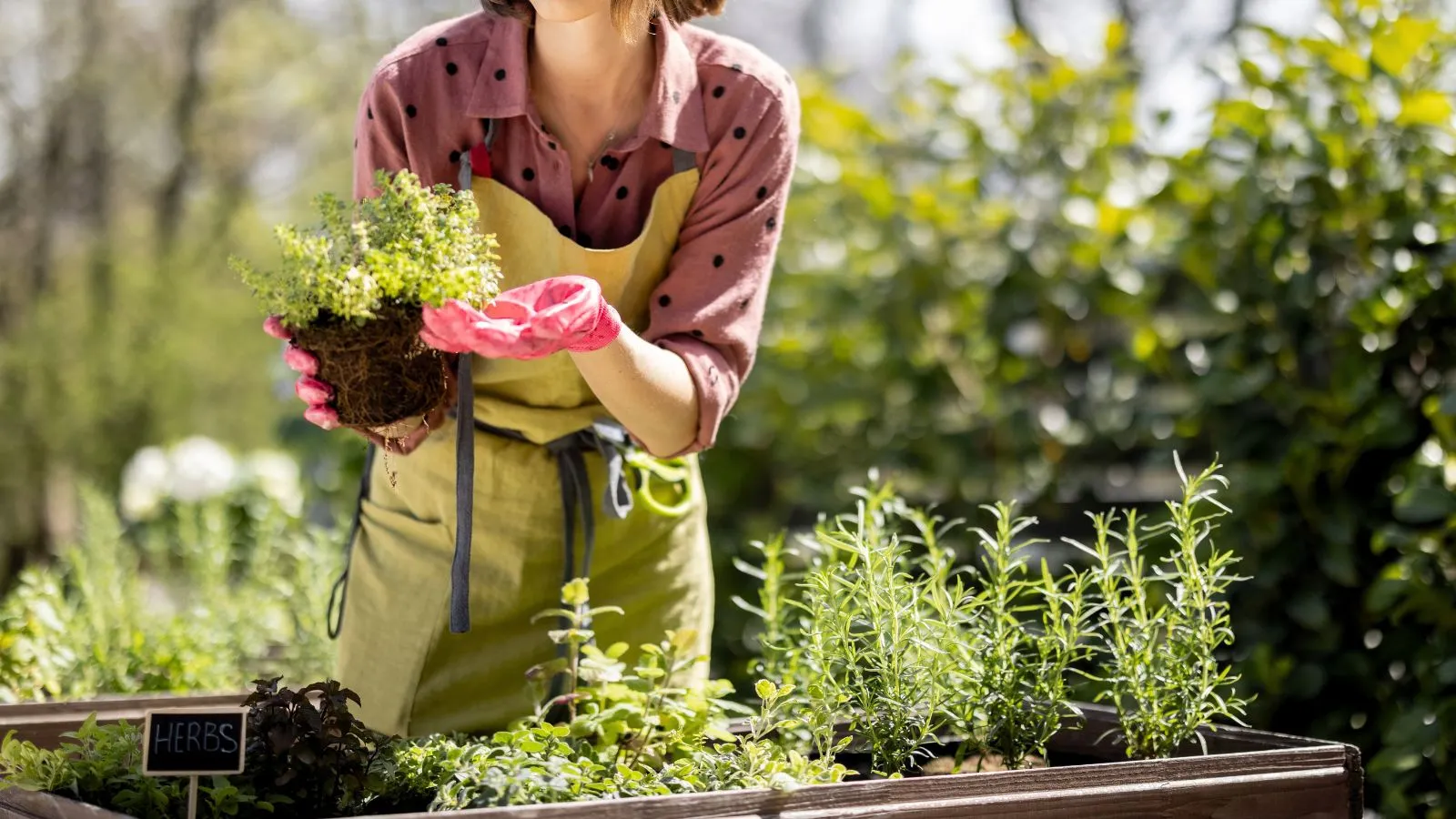
Herbs are another win. Basil, mint, thyme, oregano, and chives grow happily in small containers. They also cost more at the store than they do to grow, which makes them a smart choice for a small garden. Just keep mint in its own pot. It spreads aggressively and will crowd out anything planted beside it.
If you want flowers, choose ones that bloom for a long time. Annuals like marigolds, petunias, and zinnias keep flowering all season. They give you color without needing much space. Perennials like lavender and salvia come back each year and attract pollinators to your vegetables.
Skip plants that need acres of room. Corn, pumpkins, watermelons, and full-size fruit trees are not good fits for a small yard unless you have a specific plan for them. They will either fail or take over everything else.
Square foot gardening is a method that divides a growing area into one-foot squares. Each square holds a certain number of plants based on how big they get. This approach keeps things organized and prevents wasted space.
The typical planting rates are simple. One plant per square for large crops like tomatoes, peppers, or cabbage. Four plants per square for medium crops like lettuce or basil. Nine plants per square for small crops like onions or beets. Sixteen plants per square for tiny crops like carrots or radishes.
This system works in raised beds and large containers. A four-foot by four-foot bed gives you sixteen squares. That is enough room for a surprising amount of food if you plan it well. You can grow a tomato plant in one square, basil in another, and fill the rest with lettuce and carrots.
The key is to harvest and replant as you go. When one crop finishes, pull it out and put something else in that square. This keeps the garden producing all season instead of peaking once and then sitting empty.
Square foot planting also makes watering and weeding easier. You can see exactly where each plant is and give it what it needs. Weeds are easier to spot because the soil is not a jumble of roots and stems.
Most vegetables and flowering plants need six to eight hours of direct sun each day. If your yard does not get that much, your choices are limited but not impossible.
Watch your yard for a day before you plant anything. Note where the sun falls in the morning, at noon, and in the late afternoon. The sunniest spot is where you should put your tomatoes, peppers, and cucumbers. These plants will not produce well without enough light.
If you only get four hours of sun, you can still grow leafy greens, herbs, peas, beans, and root vegetables like carrots and beets. These plants tolerate partial shade and will give you a decent harvest. Broccoli, cabbage, and cauliflower also do fine with less sun.
Shade is not a dealbreaker. It just changes what you can grow. Hostas, ferns, and bleeding hearts are beautiful in shady spots. You can also grow mint, chives, and oregano in shade. They will not be as bushy as they would be in sun, but they will survive.
One trick for small yards with shifting shade: use containers on wheels. You can move them around to follow the sun as the seasons change. In spring, when the sun is lower, a spot that gets shade in summer might be sunny. Rolling pots let you adapt without replanting.
Small containers and raised beds dry out faster than garden soil. Watering becomes a daily task in summer, especially for pots in full sun.
Self-watering containers solve this problem. They have a reservoir at the bottom that holds extra water. The plant pulls what it needs through a wick or a bottom tray. You fill the reservoir every few days instead of watering every day. This is a lifesaver if you work long hours or travel.
Mulch helps too. A layer of straw, wood chips, or shredded leaves on top of the soil slows evaporation. It also keeps weeds down. Even a one-inch layer makes a difference in a small pot.
Water in the morning if you can. This gives the plant time to drink before the heat of the day. Evening watering works too, but wet leaves overnight can encourage disease. If you must water in the evening, aim for the soil, not the leaves.
Group pots together. Plants shade each other's soil when they are close. This reduces evaporation and means you water less often. Just leave enough space for air to move between them so disease does not spread.
Container plants depend on you for nutrients. The soil in a pot only holds so much, and watering washes some of it away over time.
A slow-release fertilizer mixed into the soil at planting time feeds plants for weeks. It releases nutrients a little at a time, which is harder to overdose. This is the easiest option for beginners.
Liquid fertilizer gives you more control. You mix it with water and apply it every two to four weeks. This works well for heavy feeders like tomatoes and peppers. Just follow the label directions. More is not better. Too much fertilizer can burn roots and kill the plant.
Compost is another option. A layer of finished compost on top of the soil feeds the plants as it breaks down. It also adds beneficial microbes that help roots take up nutrients. You can make your own compost from kitchen scraps and yard waste, or buy it in bags.
Watch for signs of trouble. Yellow leaves can mean too little nitrogen or too much water. Brown leaf edges often mean too much fertilizer. Curled leaves can mean heat stress or pests. Adjust as you go.
You May Also Like: Top Secret Professional Gardening Hacks
Small yards can attract pests just like big gardens. Aphids, whiteflies, and spider mites are common on container plants.
The first defense is healthy plants. Stressed plants attract pests. Plants with enough water, food, and sun are better at fighting off bugs on their own.
If you see aphids, you can knock them off with a strong stream of water from a hose. Do this in the morning so the leaves dry during the day. For heavier infestations, mix a few drops of mild dish soap in a spray bottle of water and spray the affected areas. The soap breaks down the pests' outer coating. Rinse the plant after a few hours so the soap does not damage the leaves.
Marigolds are a classic companion plant. They repel nematodes in the soil and confuse some flying pests. Plant them around the edges of your containers or between vegetables.
Ladybugs eat aphids and other soft-bodied insects. You can buy them online or at garden centers and release them near infested plants. They will stick around if there is food.
If slugs are a problem, set out a shallow dish of beer. They crawl in and drown. Or crush eggshells and scatter them around the base of plants. The sharp edges keep slugs away.
Small yards can produce food for more than one season if you plan for it.
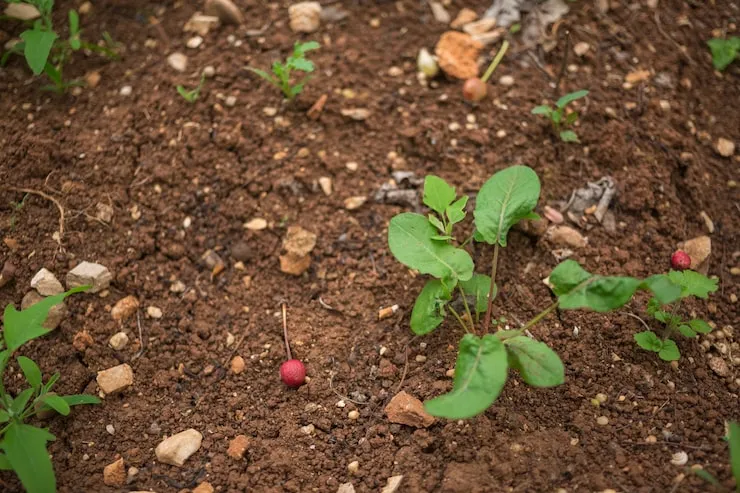
In cool weather, grow lettuce, spinach, kale, peas, and radishes. These plants actually prefer cooler temperatures. They will bolt and turn bitter in the heat of summer.
When warm weather arrives, switch to tomatoes, peppers, cucumbers, and beans. These plants need heat to grow and produce.
In fall, go back to cool-weather crops. Many of them taste better after a light frost. Kale and Brussels sprouts actually get sweeter when the gardening hacks for small yards.
Winter is the quiet season in most small yards. But if you have a sunny window or a grow light, you can grow microgreens indoors. They are ready to harvest in two to four weeks and add fresh flavor to meals when nothing else is growing outside.
Even experienced gardeners make mistakes in small spaces. Here are the ones that cause the most trouble.
Overcrowding is the biggest problem. It is tempting to squeeze in one more plant, but crowded plants compete for light, water, and nutrients. They also get less air movement, which encourages disease. Follow the spacing recommendations on seed packets and plant tags. If a tomato needs two feet of space, give it two feet.
Using the wrong soil is another mistake. Garden soil does not work well in containers. It is too heavy and compacts, which stops roots from growing. Use a potting mix made for containers. It is lighter and drains better.
Ignoring drainage causes root rot. Every container needs holes. If water sits in the bottom, roots suffocate and die. If a pot has no holes and you cannot add them, put the plant in a smaller pot with holes and set that inside the decorative one. Empty the outer pot after watering.
Forgetting to water is the easiest way to lose a container garden. Pots dry out fast. Check the soil every morning by sticking your finger in up to the first knuckle. If it feels dry, water. If it feels moist, wait.
Planting too early in spring is tempting when the weather warms up. But cold soil stalls growth and can kill tender seedlings. Wait until the last frost date for your area before planting warm-weather crops. Cool-weather crops can go out a few weeks earlier.
A small yard is not a limitation. It is a chance to garden with intention. When you cannot spread out, you have to be deliberate about what you plant and where you put it.
Containers give you control over soil and drainage. Vertical space lets you grow more in less room. The right plant varieties stay manageable while still producing a harvest. Square foot planting keeps everything organized. And smart watering and feeding keep your plants healthy without a lot of work.
Start small. Pick three or four containers and a few herbs or easy vegetables. Learn what works in your space. Then add more next season. A tiny yard can feed you, brighten your view, and give you a reason to step outside every morning. All it takes is a little planning and a willingness to grow up instead of out.
.