×
Many people think growing vegetables is hard work. They think you need to dig soil every morning. They think you need to remove weeds for hours. They think you need to water plants two times a day. This is not true. You can grow your own vegetables without doing all this hard work. You just need the right plan. You just need the right ideas. This article gives you those ideas. Every idea in this article is low maintenance. That means less work for you. That means more vegetables for your kitchen. If you have a small balcony, these ideas work. If you have a big backyard, these ideas work. If you have never grown a single plant before, these ideas still work.
Let us begin.
Before we talk about ideas, let us talk about why low maintenance is good. When your garden needs less work, you feel happy. When your garden needs less work, you do not give up. Many people start gardening with full energy. Then after one month, they stop. Why do they stop? Because the work becomes too much. A low maintenance garden solves this problem. You spend less time on watering. You spend less time on pulling weeds. You spend less time on fixing soil problems. You spend more time eating fresh vegetables from your garden. This is the goal. Not hard work. Not daily struggle. Just simple work that gives good results.
Read Also: Easy Low Maintenance Flower Garden Ideas for a Busy Yard
Most vegetables need you to plant them again every season. This is extra work. You buy new seeds. You prepare new soil. You plant new saplings. You do this again and again.
But some vegetables come back on their own. You plant them one time. They give vegetables for many years. These are called perennial vegetables. Do not worry about the big word. Just remember that these vegetables are your best friends for low maintenance gardening.
One such vegetable is curry leaves. If you live in India, you know curry leaves. You put them in your tadka. You put them in your sambar. A curry leaf plant grows for years. You just plant it one time. It keeps giving leaves. You do not need to replant it again.
Another such vegetable is malabar spinach. This is also called poi saag or basale soppu. You plant it one time. It grows like a creeper. It gives green leaves for many months. You cut some leaves for cooking. More leaves grow back. No need to plant again.
Another example is asparagus. It takes some time in the first year. But after that, it gives vegetables for ten to fifteen years. Ten years of vegetables from one time planting. This is truly low maintenance vegetable garden ideas.
Weeds are small unwanted plants. They grow between your vegetables. They take food from your soil. They take water from your vegetables. And removing weeds is hard work. You have to bend down. You have to pull each weed one by one. Your back starts hurting.
There is a simple solution. It is called mulch. Mulch is a layer of material that you put on top of your soil. This layer stops weed seeds from seeing sunlight. Without sunlight, weeds cannot grow. Without weeds, you do not have to do pulling work.
What can you use as mulch? Many things from your kitchen and garden. Dried leaves work very well. When you sweep your garden, collect the dried leaves. Put them on your soil. Coconut husk pieces also work well. You get these cheaply in any nursery. Grass cuttings from your lawn also work. Even old newspaper works. Put four to five layers of newspaper on the soil. Put some soil on top so paper does not fly away.
Mulch does one more good thing. It keeps water inside the soil. When sun is very hot, water dries up fast. Mulch acts like a blanket. It stops water from drying. So you need to water less often. This is double benefit. Less weeds and less watering.
Many people plant vegetables directly on flat ground. This is fine. But flat ground has some problems. When it rains, water stays in one place. Some parts of your garden get too much water. Some parts get too little. Weeds from nearby areas also spread easily into your vegetable area.
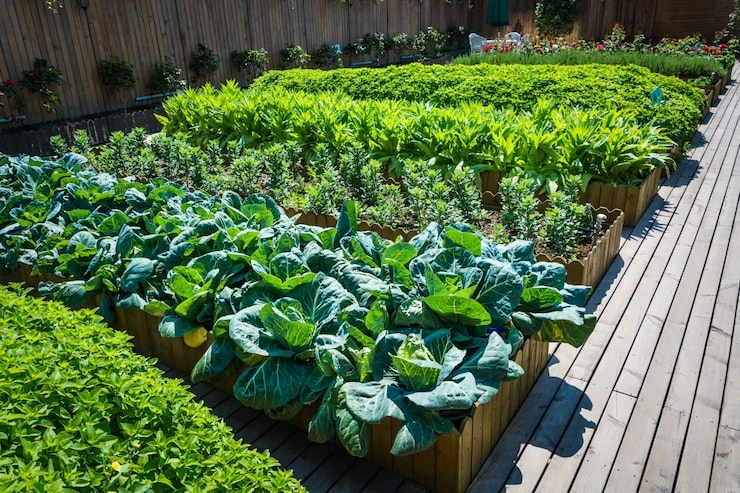
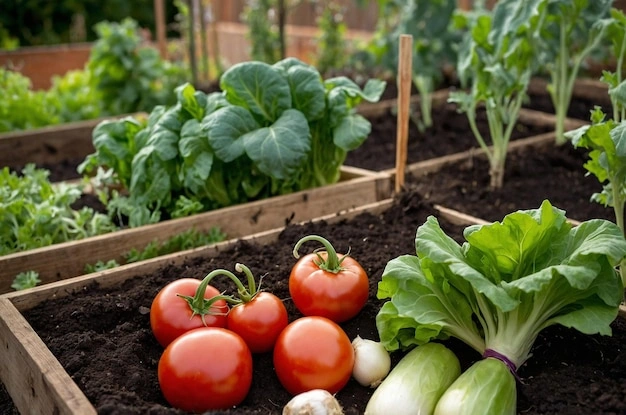
Raised beds solve these problems. A raised bed is like a big box without a bottom. You fill this box with good soil. Your vegetables grow inside this box. The box is above the ground level by one or two feet.
Why is this low maintenance? First, weeds cannot enter easily from the sides. The wooden or metal wall of the raised bed stops them. Second, water drains better. Extra water flows out from the bottom. Your vegetable roots never sit in too much water. Third, you do not have to bend down so much. The bed is higher than ground. Your back feels less pain when you work.
You can make a raised bed from old wooden planks. You can buy ready made metal raised beds from shops. Even old bricks or cement blocks work. Just make a boundary. Fill it with soil. Your low maintenance garden is ready.
Watering is the biggest work in any garden. In summer, you have to water every morning. If you forget one day, your vegetables become weak. If you forget two days, your vegetables dry up and die.
Some vegetables are more forgiving. They do not need water every day. They store water inside their leaves or stems. They survive even if you water after two or three days.
One such vegetable is okra. We call it bhindi in India. Bhindi loves heat. Bhindi does not need too much water. In normal weather, water every three days. In summer, water every two days. This is much less than other vegetables.
Another such vegetable is sweet potato. You eat the roots of this plant. The leaves are also good for sabzi. Sweet potato grows even with less water. Once the plant is strong, it finds water deep inside the soil. You can forget watering for many days. The plant still stays green.
Another example is cluster beans. We call it guar ki phali. This vegetable grows in Rajasthan. Rajasthan is very hot and dry. If a vegetable can grow in Rajasthan, it can grow anywhere with less water. Plant cluster beans one time. Water every three to four days. It gives you good harvest.
Chillies also need less water. Green chilli and red chilli both do well with less water. In fact, too much water makes chilli plant weak. Less water makes the chillies more strong and more tasty.
If you do not have a big garden, do not worry. If your soil is bad quality, do not worry. If you live in a flat and only have a balcony, do not worry. You can grow vegetables in containers.
Containers are pots, buckets, grow bags, or any big box. You fill them with good soil. You plant one or two vegetables in each container. The container is separate from the ground. This gives you many low maintenance benefits.
First, weeds are almost zero. Weeds grow from ground soil. Container soil is fresh and clean. There are no weed seeds inside. So you never have to pull weeds.
Second, watering is less frequent. Container soil dries slower than ground soil. You can water every two days instead of every day.
Third, you can move containers around. If sun is too strong, move container to shade. If rain is too much, move container inside your home. You have full control.
Which vegetables grow well in containers? Tomatoes grow very well in big pots. Brinjal also called baingan grows well. Green chillies grow very well. Mint grows very well. Coriander grows very well. Spinach grows very well.
Use grow bags if possible. They are made from thick cloth. They cost less than plastic pots. Extra water flows out from the cloth. Roots get more air. Vegetables grow stronger.
Some vegetables help each other grow. When you put them together, both do well. You get more vegetables from the same space. You also do less work because one plant helps the other.
For example, grow tomatoes and basil together. Basil is a small leafy plant. You use it in pasta and pizza. Basil keeps away small insects that trouble tomatoes. Your tomatoes stay healthy without any chemical spray. This is zero extra work for you.
Another example is corn and beans. Corn grows tall and straight. Beans climb on the corn stem. The corn works like a natural stick for the beans. You do not have to put separate sticks for beans. The beans also give nitrogen to the soil. Nitrogen is food for corn. Both plants help each other.
Another example is brinjal and amaranth. Amaranth is a green leafy vegetable called chaulai or thotakura. It grows fast. It gives shade to young brinjal plants. The shade stops weeds from growing near brinjal. You do less weeding work.
This method is called companion planting. But do not worry about the name. Just remember to put friends together. Put vegetables that help each other. This gives you more vegetables with same amount of work.
You May Also Like: Best Vertical Garden Ideas for Small Spaces

Most people water their garden with a bucket or a hose pipe. They stand for ten to fifteen minutes. They pour water near each plant. This takes time. This takes effort. In summer, you have to do this every single day.
A drip pipe changes everything. Drip pipe is a thin plastic pipe with many small holes. You lay this pipe on your soil near your vegetables. You connect the pipe to your water tap. When you turn on the tap, water slowly drips from each small hole. Each vegetable gets water directly near its roots. No water is wasted. No water falls on leaves where it is not needed.
The best part is you can put a timer on your tap. You set the timer for thirty minutes every morning. The timer turns on the water by itself. The timer turns off the water by itself. You do not have to stand with a bucket. You do not have to remember to water. The garden waters itself.
This is true low maintenance. Yes, buying drip pipe costs some money at the beginning. But for two to three years, you do almost zero watering work. Your back and your time will thank you.
Many gardening books tell you to dig soil again and again. They say turn the soil. They say loosen the soil. They say remove all old roots. This is hard work. This also hurts the good insects and good fungus living inside your soil.
There is a better way. It is called no dig method. In this method, you never turn your soil. You never dig deep. You just add new soil on top of old soil. You add compost on top. You add mulch on top. The soil below stays undisturbed.
Why is this good? Inside your soil, there are small creatures like earthworms. Earthworms are your free workers. They make small tunnels in soil. These tunnels let air and water go deep. When you dig soil, you break these tunnels. You kill many earthworms. Your soil becomes empty and lifeless.
When you do no dig, earthworms stay happy. They keep making tunnels. They keep eating old plant matter. They turn it into good food for your vegetables. This all happens without any work from you. You just add new compost on top every few months. The earthworms do the mixing.
For low maintenance vegetable garden ideas, no dig is a very good habit. Less work for you. Stronger soil for your vegetables.
Now you have eight ideas. You do not have to do all eight together. Pick two or three ideas that feel easy to you. Start small. Start simple.
If you live in a flat, buy two grow bags. Put good soil in them. Plant one chilli plant and one brinjal plant. Put dried leaves on top of soil as mulch. Water every two days. That is all. In two months, you will have green chillies and small brinjals on your plate. This small success will give you confidence.
If you have a small backyard, make one raised bed. Use old bricks to make the boundary. Fill it with soil from a nursery. Plant bhindi, cluster beans, and tomatoes. Put drip pipe if you can. If not, water every two days. Put mulch of coconut husk. Watch your garden grow.
If you have a big garden, start with the no dig method. Do not dig anything. Just put thick layer of compost on top of an area. Plant curry leaves, malabar spinach, and sweet potato. These three will grow for a long time with very little care.
Even low maintenance gardens have some problems. But every problem has a simple fix.
If you see small insects on leaves, do not buy chemical spray. Just mix one spoon of liquid soap in one liter of water. Put this in a spray bottle. Spray on the insects. The soap water kills soft insects. It does not harm your vegetables. This is a very old Indian kitchen remedy.
If leaves turn yellow, your soil may be missing food. Do not buy expensive fertilizer. Make your own compost from kitchen waste. Collect vegetable peels, used tea leaves, and eggshells in a pot. Cover with soil. After one month, this becomes dark brown compost. Put this near your plants. Leaves will become green again.
If you see ants on your plants, do not worry. Ants themselves do not harm plants. But ants sometimes bring small white insects called aphids. If you see white insects, use the soap water spray. Ants will go away on their own.
If your vegetable flowers fall off without becoming vegetable, your plant may be getting too much water or too little sun. Check your watering. If soil is very wet, stop watering for two days. If plant is in full shade, move it to a place where morning sun comes.
You can grow vegetables without making it a second job. You do not need a big garden. You do not need expensive things. You do not need to know big gardening words. You just need to start with one pot, one plant, and one good habit.
Pick one idea from this article. Do it today. If you have a coconut lying in your kitchen, break it. Put the husk pieces on your pot as mulch. If you have a plastic bottle, cut it and make a small drip system by making holes in its cap. If you have an old bucket, fill it with soil and plant a bhindi seed.
.