×
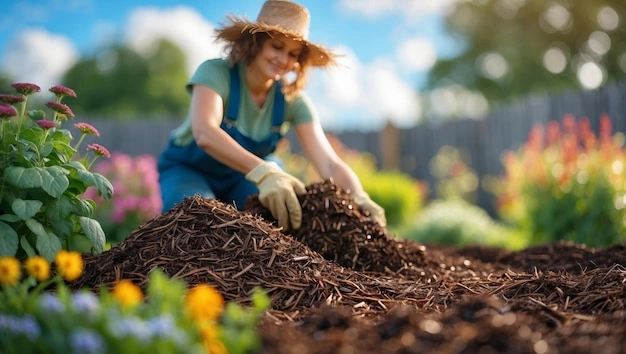
Summer heat is hard on vegetable plants. The sun beats down. The soil dries out fast. Your plants get stressed. They stop growing well. They produce less food for you. Mulch fixes these problems. Mulch is a layer of material you put on top of the soil around your plants. It acts like a blanket. But this blanket does not keep things warm. It keeps things cool. It keeps moisture in the ground. It stops weeds from coming up. It gives your plants a fighting chance when the weather gets hot.
Many gardeners make mistakes with mulch in summer. They put on too little. They use the wrong kind. They put it on at the wrong time. This article will walk you through everything you need to know. You will learn which mulches work best. You will learn how to put them down. You will learn what to avoid. By the end, you will feel ready to mulch your garden the right way.
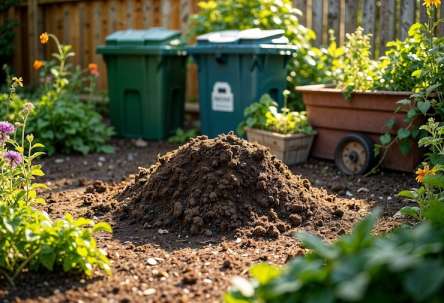
Let us look at the main jobs mulch does in your best mulch for vegetable gardens in summer.
First, mulch keeps the soil cool. When the sun hits bare soil, the temperature rises fast. On a ninety degree day, the top few inches of soil can reach over one hundred degrees. Vegetable roots do not like this heat. They stop taking up water and food. They may even die. A good layer of mulch blocks the sun from hitting the soil directly. The soil stays cooler. Your plants keep growing.
Second, mulch holds water in the ground. Water evaporates from bare soil quickly in summer. You water your garden. An hour later, half that water is already gone. The sun pulls it right out of the top of the soil. Mulch stops this. It acts like a lid on a pot. The water stays down where the roots can get to it. This means you water less often. Your plants have steady moisture. They do not dry out between waterings.
Third, mulch stops weeds. Weeds love bare soil. They sprout fast. They grow fast. They steal water and food from your vegetables. Pulling weeds in summer is hard work. Your back hurts. The sweat drips down your face. Mulch makes a barrier. Weed seeds cannot push through a thick layer. The few weeds that do come up are weak and easy to pull.
Fourth, mulch feeds the soil. Some mulches break down over time. They turn into organic matter. Organic matter feeds the tiny creatures in the soil. Earthworms love it. They move through the soil and make tunnels. These tunnels let air and water reach plant roots. The organic matter also holds water like a sponge. Your soil gets better year after year.
Read Also: Beginner Gardening Tips for Growing Herbs
Straw is one of the best mulches for summer vegetables. It is light and easy to spread. It lets water pass right through. It keeps the soil cool. It stops weeds well. It is cheap in many places. You can find it at farm supply stores. You can sometimes get it from local farmers.
Hay is similar but different. Hay has seeds in it. Grass seeds. Weed seeds. When you put hay down, those seeds grow. You end up with more weeds than you started with. Some gardeners still use hay. They accept that they will have to pull the extra weeds. But for most people, straw is the better choice. Straw is the leftover stalks from wheat or oats. The seeds are already gone.
When you use straw, put down a layer that is four to six inches deep. This sounds like a lot. But straw settles over time. It compresses down. A thick layer is what you need for summer heat. If you put down only an inch or two, the sun reaches the soil. You do not get the cooling benefit.
Spread the straw carefully around your plants. Do not pile it against the stems. Leave a small gap. One inch is enough. This gap lets air move. It stops moisture from building up against the stem. Moisture against the stem can cause rot. Rot kills your plants.
Straw breaks down slowly. It may last all summer. At the end of the season, you can turn it into the soil. It adds organic matter. It makes your soil better for next year.
Grass clippings are free. You have them already. You mow your lawn. You bag the clippings. Instead of throwing them away, you put them in your garden. This saves money. This keeps waste out of the landfill.
Grass clippings are high in nitrogen. Nitrogen is a key food for plants. As the clippings break down, they release nitrogen into the soil. Your vegetables take up this nitrogen. They grow bigger leaves. They grow more fruit. This is a bonus that straw does not give you.
But you must be careful with grass clippings. Fresh clippings are wet. They are green. They clump together. When you put them down thick, they mat. A mat of grass does not let air through. It does not let water through. It gets slimy. It smells bad. This mat can harm your plants.
The right way to use grass clippings is to dry them first. Spread them out on your driveway. Leave them for a day or two. Let the sun dry them. They turn brown. They become light and fluffy. Now they are safe to use.
Put down a thin layer. One inch is enough. Do not go thicker than this with grass. You can add more later. Let the first layer dry before you add the next. This stops the matting problem.
Never use clippings from a lawn that has been sprayed with weed killer. The weed killer stays in the clippings. It will hurt your vegetables. Wait until you have mowed three times after spraying before you use the clippings.
Grass clippings break down fast. You will need to add more during the summer. Check your garden every two weeks. If the layer looks thin, add more dry clippings.
Compost is gardener gold. It is dark. It is crumbly. It smells like earth. You make it from kitchen scraps and yard waste. You put these things in a pile. You let them break down. After a few months, you have compost.
Compost works as both a mulch and a fertilizer. When you put it on your garden, it feeds the soil right away. The nutrients are available to plants. Worms and microbes move into the compost. They break it down further. They make the soil healthy.
Use compost as a top dressing. A top dressing is a layer on top of the soil. One to two inches is enough. Put it around your plants. Do not pile it on the stems. Leave that small gap. The gap is important.
Compost does not stop weeds as well as straw. Weed seeds can still push through. But the compost feeds your plants so well that they grow strong. Strong plants compete better with weeds. You will still need to pull some weeds, but fewer.
Water passes through compost easily. It holds water well too. This is a good thing. Your plants get steady moisture. The soil stays cool. The nutrients are right there for the roots.
The best time to put down compost is when your plants are young. Put it down after you plant your seedlings. It gives them a good start. You can add more later in the season. A second layer in midsummer keeps things going.
Autumn leaves are free. They fall from the trees. You rake them up. Most people bag them and put them on the curb. You can save them. You can use them in your summer garden.
Whole leaves are not good for mulch. They tangle together. They form a mat. Water runs off the mat. Air does not get through. The mat keeps rain from reaching the soil. Your plants get dry.
Shredded leaves are different. Shredding breaks the leaves into small pieces. The pieces are like confetti. They lay flat but they do not mat. Water passes through. Air moves through. They break down slowly and feed the soil.
You can shred leaves with a lawn mower. Run the mower over the pile. Do it several times. You can also buy a leaf shredder. These machines are not expensive. They make quick work of the job.
Put down shredded leaves in a layer two to three inches deep. This is enough for summer heat. The leaves will settle. They will pack down. They will keep the soil cool.
Shredded leaves are good for all vegetables. They do not change the soil pH much. They add organic matter. They attract earthworms. Your soil gets better each season you use them.
Store shredded leaves in bags. Keep them dry. You can use them all summer. They are a great resource. They cost you nothing but the time to shred them.
Pine needles are another free mulch. If you have pine trees, you have pine needles. They fall to the ground. You can rake them up. You can put them in your garden.
Pine needles are light. They are airy. They let water through easily. They stay in place better than straw. They do not blow away in the wind. They do not wash away in heavy rain.
Pine needles are acidic. This means they lower the soil pH. Some vegetables like acidic soil. Tomatoes like it. Potatoes like it. Other vegetables do not care much. The acid from pine needles is mild. It does not change the pH quickly. It happens over years.
Put down pine needles in a layer four to six inches deep. They settle fast. They pack down to a thinner layer. A thick layer keeps the soil cool. It stops weeds. The needles interlock. They make a tight mat on top of the soil. This mat is good for water holding.
Pine needles break down slowly. They last the whole summer. You do not need to add more. At the end of the season, you can leave them in place. You can turn them into the soil. Or you can pull them back and plant your fall garden.
Some gardeners do not like pine needles because they are harder to handle. They are prickly. They poke your hands. Wearing gloves solves this. The benefits are worth the minor discomfort.
You May Also Like: How to Start a Vegetable Garden as a Beginner, According to Experts?
Wood chips are common. They are used on paths. They are used in flower beds. But they are not the best choice for vegetable gardens in summer.
Wood chips are high in carbon. They are low in nitrogen. When you put wood chips on the soil, they start to break down. The tiny creatures that break them down need nitrogen. They take nitrogen from the soil. This means your vegetables have less nitrogen available. They may turn yellow. They may stop growing.
This problem is worst when you mix wood chips into the soil. When they are just on top, the effect is smaller. But it is still there. For this reason, many gardeners avoid wood chips in vegetable beds.
Wood chips are good for paths between beds. They keep your feet clean. They stop weeds in the path. They look nice. But keep them out of the beds where your vegetables grow.
If you want to use wood chips, look for aged chips. Chips that have been sitting for a year or more. The easy to break down parts are already gone. The nitrogen stealing effect is less. Fresh wood chips are the worst. Do not use them.
Put wood chips around trees and shrubs. These plants are not as sensitive to nitrogen loss. They have deeper roots. They find food lower in the soil. Vegetables have shallow roots. They depend on the top layer of soil. Wood chips in that top layer cause problems.
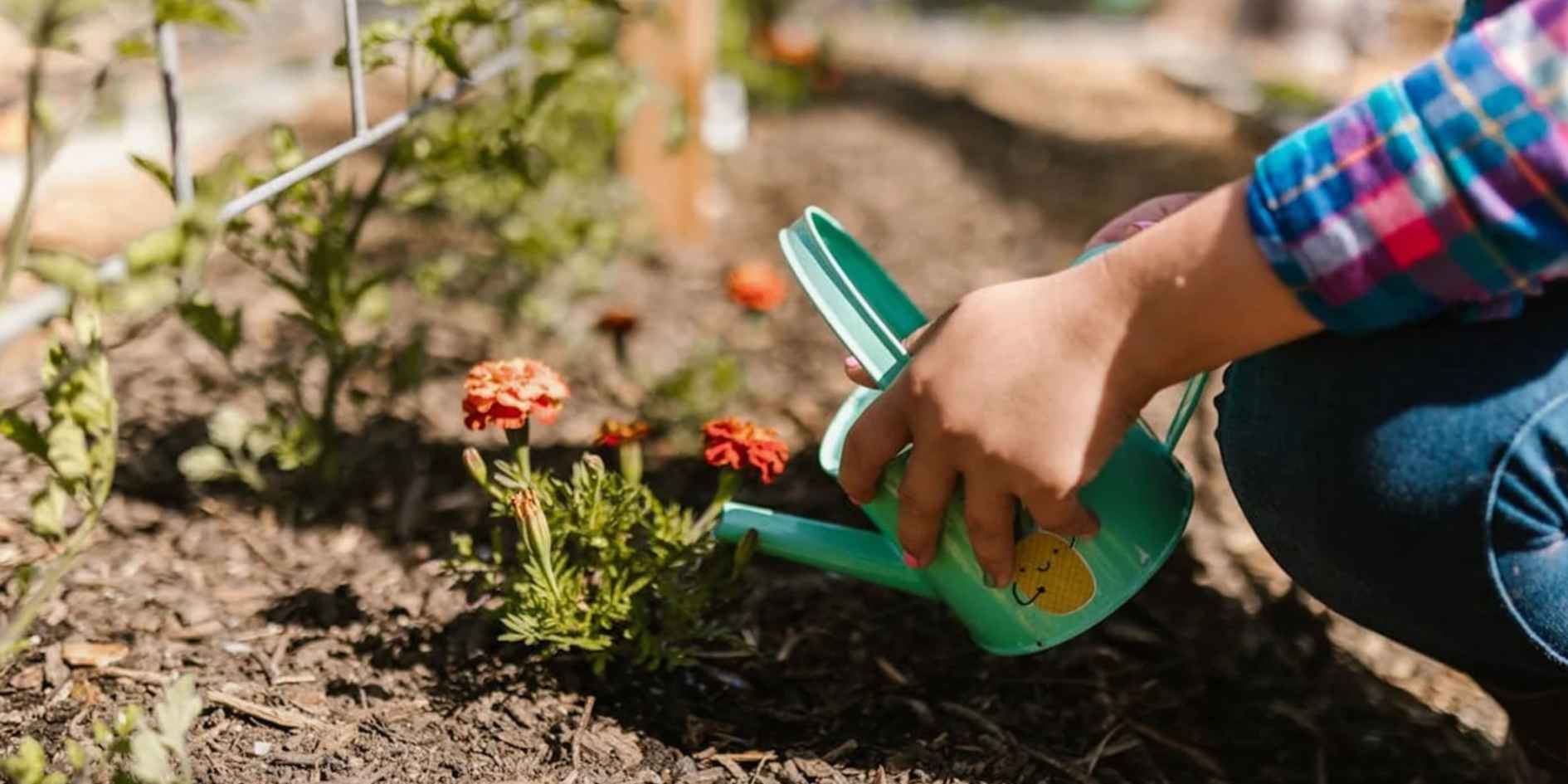
The best mulch for you depends on what you can get. It depends on what your garden needs. It depends on what you want to spend.
If you want cheap and effective, use straw. It is available in most farm areas. It is easy to handle. It works well. It lasts all summer. This is the choice of many vegetable gardeners.
If you want to feed your plants at the same time, use compost. It costs money if you buy it. It costs time if you make it. But it gives you great results. Your plants grow strong. Your soil gets better.
If you have a lawn, use grass clippings. They are free. They feed your plants. They keep the soil cool. Just remember to dry them first. Remember to put down thin layers.
If you have trees, use shredded leaves or pine needles. They are free. They are effective. They improve your soil over time. They keep waste out of the landfill.
Many gardeners use a mix. They put down a layer of compost. Then they top it with straw. The compost feeds the soil. The straw keeps the soil cool. The straw stops weeds. This combination works very well.
The way you put down mulch matters. Doing it right gives you all the benefits. Doing it wrong causes problems.
Start by watering your garden deeply. The soil should be wet all the way down. Water the day before you mulch. This gives the water time to soak in. The mulch will hold that water in the ground. If you water after mulching, the water has to pass through the mulch first. It still gets to the soil, but it takes longer.
Next, clear any weeds. Pull them out. Get the roots too. If you leave weeds, they will grow through the mulch. They are harder to pull later. Start with a clean bed.
Now put down your mulch. Spread it evenly. Reach the right depth for the material you chose. Four to six inches for straw. One to two inches for compost. Two to three inches for shredded leaves. Measure if you are not sure. A measuring stick helps.
Keep the mulch away from plant stems. Leave a gap of about one inch. This gap is critical. It stops rot. It stops pests from hiding against the stem. It lets air circulate. Your plants stay healthy.
Water again after you mulch. This settles the mulch. It gets it wet. Wet mulch stays in place better. It does not blow away. The water moves down into the soil. Your plants get a good drink.
Check your mulch every few weeks. Some materials break down. Grass clippings break down fast. Straw settles. Add more as needed. Keep the depth right all summer.
Some materials are bad for garden mulch. Avoid them. They cause more problems than they solve.
Do not use fresh sawdust. Fresh sawdust is like wood chips. It steals nitrogen from the soil. Your plants turn yellow. They stop growing. Sawdust that has aged for a year is okay. But fresh sawdust is bad.
Do not use hay that has many seeds. The seeds grow into weeds. You spend the summer pulling those weeds. You would have been better with bare soil. If you use hay, get it from a source you trust. Ask about weed seeds.
Do not use black plastic. Black plastic heats up. It gets very hot in the sun. That heat passes to the soil. Your roots get cooked. Black plastic also stops water. Rain runs off. You have to water through holes. It is more work than it is worth.
Do not use rubber mulch. Rubber mulch is made from old tires. It looks like wood chips. It does not break down. It does not feed the soil. It can be toxic. The chemicals from tires can get into your vegetables. You do not want that.
Do not use rocks. Rocks hold heat. They get hot in the sun. They release that heat at night. The soil gets hot. Your plants get stressed. Rocks are for desert gardens. They are not for vegetable gardens.
The best time to put down summer mulch is right after you plant. Your vegetables are small. The soil is bare. The sun is getting stronger. Put the mulch down before the heat hits.
But maybe you did not know this. Maybe you did not have time. Maybe your garden is already growing. It is not too late. You can add mulch any time in summer. The plants will benefit.
If you put mulch down later, water first. Water deeply. Then put down the mulch. This works even in midsummer. Your plants will bounce back. They will do better with mulch than without.
Do not wait until the soil is very dry. Dry soil is hard to wet. Water runs off. It does not soak in. If your soil is dry, water it slowly. Give it time to absorb. Then add your mulch.
Remove weeds before you mulch. Weeds are easier to pull when the soil is wet. Pull them after you water. Then put down the mulch. The mulch will stop new weeds from coming up.
If you buy mulch, you need to know how much to get. Buying too much is a waste. Buying too little means another trip to the store.
One cubic foot of mulch covers twelve square feet at a depth of one inch. This is a good rule to remember. For a four inch layer, one cubic foot covers three square feet. Measure your garden. Figure out the square footage. Then do the math.
Most bags of mulch are two or three cubic feet. A two cubic foot bag covers six square feet at four inches deep. A three cubic foot bag covers nine square feet. If your garden is ten feet by ten feet, that is one hundred square feet. You need about eleven bags of the three cubic foot size for a four inch layer.
Straw is sold in bales. A bale is about two cubic feet when loose. You need about one bale for every twenty square feet at four inches deep. This is a rough estimate. It depends on how tightly the bale is packed.
Buy a little extra. It is better to have too much than too little. You can always store extra. Keep it dry. Use it next year. Leftover straw or leaves store well in bags.
Gardeners make mistakes with mulch. You can avoid these mistakes. Learn the best mulch for vegetable gardens in summer.
Putting down too little. One inch of straw does almost nothing. The sun goes right through. The soil heats up. The water evaporates. Put down enough. Four inches is your minimum for straw. Two inches for compost. Three inches for leaves.
Piling mulch against stems. This is a big mistake. The mulch holds moisture against the stem. The stem rots. The plant dies. Leave a gap. One inch of bare soil around each stem. Your plants stay healthy.
Mulching dry soil. The mulch traps the water. But if there is no water to trap, you have a problem. The mulch keeps the soil dry. Water before you mulch. Always.
Using the wrong material. Wood chips in the vegetable bed. Fresh grass clippings piled thick. Hay with weed seeds. These materials cause problems. Choose the right mulch for your garden.
Forgetting to check the mulch. Mulch changes over summer. It settles. It breaks down. It gets thin in places. Check every two weeks. Add more where needed.
Putting mulch on too early. In spring, the soil is cold. You want the sun to warm it. If you put down mulch too early, the soil stays cold. Your plants do not grow. Wait until the soil has warmed up. Then mulch.
Colored mulch is dyed wood chips. The dye can be toxic. Some dyes are safe, but it is hard to know. It is better to use natural mulch in your vegetable garden. You are growing food. Use materials that are safe.
No. Old mulch has broken down. It has become part of the soil. It is feeding your plants. Put the new mulch on top. It will break down too. Your soil gets better each season.
Yes. Cardboard stops weeds well. Use plain brown cardboard. Remove tape and labels. Wet it first. Put it down. Cover it with straw or leaves. The cardboard breaks down slowly. It feeds the soil.
Some bugs like mulch. They live in it. They break it down. Most of these bugs are good for your garden. They eat dead plant material. They make compost. They do not hurt your vegetables. Keep an eye out for slugs. Slugs like damp places. If you have slugs, use a thinner layer. Let the top dry between waterings.
Less often. Mulch holds water. Check the soil. Stick your finger in. If it is dry an inch down, water. If it is wet, wait. This is the best way. You will water less with mulch.
When you mulch your garden right, you see results. Your plants look better. They are greener. They stand up straight even in the heat. They grow more leaves. They make more vegetables.
You water less. This saves you time. This saves you money if you pay for water. You do not drag the hose around as much. You have more time to enjoy your garden.
You pull fewer weeds. This saves your back. This saves your knees. You spend your time picking vegetables instead of pulling weeds. Your garden is more fun.
Your soil gets better. The mulch breaks down. It adds organic matter. Earthworms move in. They make the soil rich. Your vegetables grow better each year. You create a cycle of health.
Start with one part of your garden. Try one kind of mulch. See how it works. Next year, try another. Find what works best for you. Your garden will thank you.
Summer mulch is not optional for a great vegetable garden. It is a requirement. The heat is too strong. The sun is too harsh. Your plants need protection. Mulch gives them that protection. You have many choices. Straw is the most common. Grass clippings are free. Compost feeds the soil. Leaves and pine needles use what you have. Pick one that fits your garden.
Put it down the right way. Water first. Put down enough. Keep it away from stems. Check it during the season. Add more when needed. Your garden will reward you. More vegetables. Better vegetables. Less work for you. The time you spend mulching is time well spent.
.