×
Let us be honest. Walking into a garden center and looking at those little seed packets can feel like a gamble. Some packets have pictures of huge, beautiful blooms. But the back of the packet has all these instructions. It talks about "scarification." It talks about "bottom heat." It talks about "hardening off." It makes your easy flowers to grow from seed.
Here is the truth. Most of those instructions are for serious growers. They are for people who start seeds in greenhouses. They are for people who sell plants. For the rest of us? We just want to put something in the dirt and see color in a few weeks.
And that is completely possible. There is a whole group of flowers that do not care about your skill level. They do not care if you forget to water them for a day. They do not care if the soil is not perfect. They just want to grow.
This article is about those flowers. No long words. No tricky steps. Just a handful of seeds, some ground, and a bit of patience.
Marigolds are the workhorse of the flower world. If you have ever seen a community garden, you have seen marigolds. They are planted next to tomatoes. They are planted next to peppers. They are planted next to everything. There is a reason for that.
The seed itself is nothing special to look at. It is dark. It is thin. It looks like a tiny splinter of wood. But that tiny splinter is tough. You can push it into the ground and forget about it. It will still come up.
Here is how you do it. Wait until the weather is warm. Not just warm during the day. The ground itself needs to feel warm to your hand. If the ground is still cold from winter, the seed will just sit there. It will rot. So be patient.
Make a small hole. Nothing deep. About as deep as the first knuckle on your finger. Drop the seed in. Cover it with loose soil. Pat it down gently. Then give it a drink of water. Not a flood. A gentle drink.
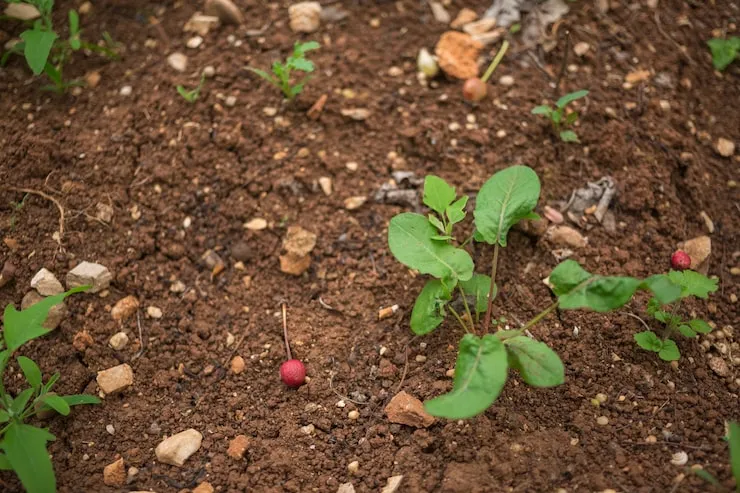
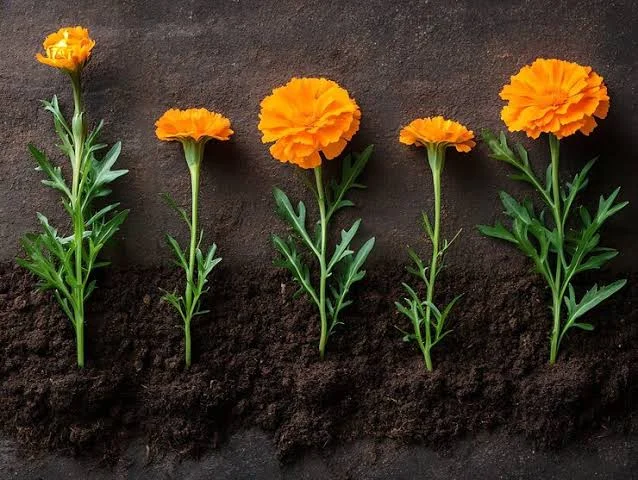
In about a week, you will see a small green head push through the soil. That is the cotyledon. That is the first leaf. From there, the plant takes off. It gets bushy. It gets full.
The flowers come in clusters. Orange. Yellow. A deep rust red. They are not shy flowers. They are loud. They are bright. They demand attention.
One thing about marigolds that people do not talk about enough is the smell. The leaves have a strong, sharp odor. Some people do not like it. But that smell is what keeps the bugs away. Nematodes in the soil do not like it. Whiteflies do not like it. Even rabbits tend to leave them alone.
Watering marigolds is simple. Water them when the soil looks dry on top. If you stick your finger in the soil and it feels dry an inch down, it is time to water. If it feels wet, walk away.
They will bloom from early summer all the way until the first frost. That is a long season. For that kind of performance, they ask for almost nothing in return.
Read Also: Best Flowers For A Low Maintenance Garden
Everyone remembers growing sunflowers in school. You put the seed in a paper cup. You watched it grow. You took it home. It was a fun project. But as an adult, sunflowers have a different meaning. They are practical. They are useful. And they are shockingly easy.
The seed is big. It is easy to handle. You are not fumbling with tiny specs. You can pick it up with your fingers. You can place it exactly where you want it.
Sunflowers have a deep root system. That root goes down far into the soil. It finds water that other plants cannot reach. That is why they can handle dry spells. During a hot week, while your other plants are wilting, the sunflower stands tall.
Plant the seed about an inch deep. The soil should be loose. If the soil is hard and packed, the seedling cannot push through. Take a trowel and break up the soil first. Make it fluffy. Then plant.
Sunflowers face the sun. That is a fact. In the morning, the head faces east. During the day, it follows the sun across the sky. At night, it turns back to the east. This is called heliotropism. It happens mostly when the plant is young. Once the flower gets heavy with seeds, it stops moving. It just faces east.
There are different kinds. The tall ones can reach ten feet. The shorter ones stay around two or three feet. If you have a small garden, get the short ones. If you have space, get the tall ones.
Birds love sunflowers. Goldfinches especially. They land on the heavy heads and pick out the seeds. If you want to save seeds for yourself, you need to cover the flower head with a paper bag. Tie the bag around the stem. This keeps the birds away.
Do not overwater sunflowers. They get root rot if the soil stays wet. Water deeply once a week. That means give them a good soak. Make the water go deep into the ground. That encourages the roots to grow down.
If you want a lot of flowers for very little work, zinnias are your answer. They are generous. They produce blooms from summer until the cold weather hits. And they come in almost every color you can think of.
Zinnia seeds look like little arrowheads. They have a point and a flat end. The flat end is the part that goes down. The point faces up. But honestly? Even if you put them in the wrong way, they usually figure it out. Nature corrects itself.
You plant them a quarter inch deep. Very shallow. They need light to germinate. If you bury them too deep, they will not come up.
Once they sprout, they grow fast. Within a few weeks, you have a bushy plant. Then the buds start forming. The first flower opens. Then the second. Then the third. Before you know it, the entire plant is covered.
The flower shapes vary. Some look like daisies. Some look like pom-poms. Some look like little buttons. The petals are firm. They hold up well in the heat.
Zinnias are good for cutting. You can bring them inside and put them in a vase. They last a long time in water. When you cut them, cut the stem at a sharp angle. Put them in lukewarm water right away. Change the water every couple of days.
Do not crowd zinnias. They need air to move around them. If they are packed too close together, the leaves stay wet. Wet leaves lead to disease. Give them at least eight inches of space.
They do not need fertilizer. They do not need special soil. They just need sun. Give them full sun. Six hours minimum. Eight hours is better.
Nasturtiums are an odd plant. They are not like the others. They do not stand tall. They crawl along the ground. They spill over the edges of pots. They have round leaves that look like tiny lily pads.
The flowers are bright. Orange and red and yellow. They stick up above the leaves. They look like little trumpets.
Here is the thing about nasturtiums. They actually prefer bad soil. If you put them in rich, fertilized soil, they grow huge leaves. But the flowers are few. They get lazy. They do not need to bloom because they have everything they need.
Put them in poor soil. Rocky soil. Sandy soil. They will bloom their heads off.
The seeds are big. They look like dried peas. They are wrinkled and hard. You can plant them directly in the ground. Soak them in water overnight first. This softens the shell. It speeds things up.
Plant them about half an inch deep. They will come up in about ten days.
Nasturtiums are edible. The leaves have a peppery taste. The flowers have a milder taste. People put them in salads. They put them on sandwiches. They use them as a garnish. The bright flowers make any plate look fancy.
You can also pick the green seed pods. Pick them before they turn brown. Put them in a jar with vinegar and salt. They taste like capers. This is an old trick. It comes from Europe.
Water them sparingly. They do not need much. Let the soil dry out between waterings. When the leaves look just slightly limp, that is when you water.
Nasturtiums are good companion plants. They keep aphids away. They keep whiteflies away. Plant them near your vegetables. They act like a shield.
Cosmos look delicate. Their stems are thin. Their leaves are feathery. They sway in the slightest breeze. But they are tough. They can handle heat. They can handle dry conditions. They are easy flowers to grow from seed.
The seed is long and thin. Like a tiny needle. You scatter them on top of the soil. Then you press them down. Do not cover them with soil. They need light to germinate.
If you cover them, they will not come up.
They sprout quickly. In about a week, you see the green shoots. They grow tall fast. They do not get bushy. They get tall and airy. The flowers sit on long, bare stems.
The blooms look like daisies. Pink. White. Deep magenta. Some have dark centers. Some have yellow centers.
Cosmos attract butterflies. The butterflies land on the petals. They drink the nectar. If you want more butterflies in your yard, cosmos are a good choice.
Cosmos do not need fertilizer. They do not need rich soil. In fact, rich soil makes them too tall. They fall over. They flop. They do better in moderate soil.
You can let cosmos go to seed. At the end of the season, leave the dead flowers on the plant. The seeds will form. They will drop to the ground. Next spring, new cosmos will come up on their own.
Water cosmos once a week. If it rains, skip the watering. They do not like wet feet.
You May Also Like: How to Start a Cut Flower Garden for Beginners?
Some people like to start seeds indoors. They use small pots. They put them on a windowsill. They do this to get a head start.
It works for some flowers. Marigolds and zinnias do fine indoors. They transplant well.
But some flowers do not like it. Nasturtiums hate being moved. Their roots are sensitive. If you move them, they go into shock. They stop growing. They might die.
Sunflowers also do not like being moved. Their taproot goes straight down. If that root gets disturbed, the plant suffers.
So here is a simple rule. If you want to start seeds indoors, stick with marigolds and zinnias. Plant the rest directly in the ground.
When you move your indoor plants outside, do it slowly. Put them outside for a few hours. Bring them back in. The next day, leave them out longer. This helps them adjust. If you just throw them outside all day, the sun burns the leaves. The wind damages them.
Do this for about a week. Then plant them in the ground.
Good soil makes everything easier. You do not need to buy expensive bags of soil. You can use what you have. But you need to prepare it.
First, clear the area of weeds. Pull them out. Get the roots too. Weeds take water and nutrients. They steal from your flowers.
Second, loosen the soil. Use a garden fork or a trowel. Turn the soil over. Break up the clumps. Roots need loose soil to spread. If the soil is hard, the roots struggle.
Third, add compost if you have it. You do not need a lot. A one inch layer mixed into the soil is plenty. Compost holds water. It feeds the plant slowly.
Fourth, level the soil. Rake it smooth. Remove any rocks. This gives you a clean surface to plant in.
Now you are ready.
Water is where most beginners make mistakes. They either water too much or too little.
Here is a simple method. Water right after planting. Give the soil a good soak. The water should go deep.
It happens. You plant seeds. You water them. You wait. Nothing happens.
Here are the reasons.
Old seeds. Seeds have a shelf life. Marigold seeds last about two years. Zinnia seeds last about three years. After that, the germination rate drops.
Growing flowers from seed is not hard. It just takes a little knowledge. And some patience. You do not need a big garden. You do not need expensive tools. You do not need to be an expert. Pick a few of these flowers. Marigolds are the safest bet. Zinnias are a close second. Plant them. Water them. Wait. The first time you see a seedling push up through the soil, you will feel something good. It is pride. It is excitement. It is the start of a new habit.
.