×
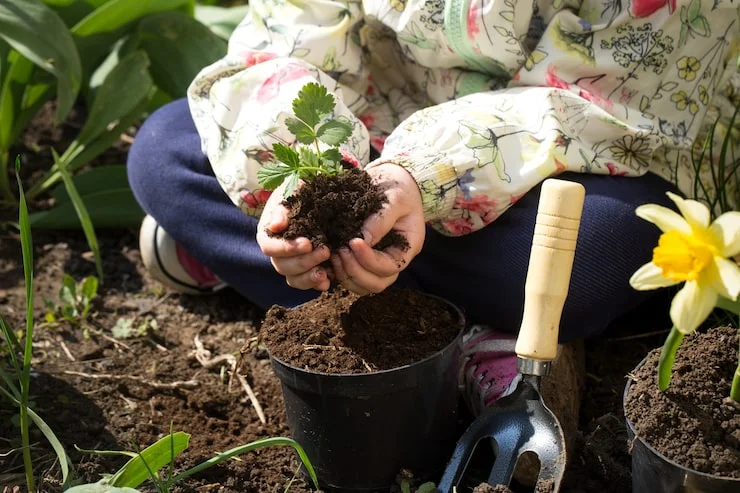
If you want flowers in your garden this summer without spending a fortune on nursery plants, growing them from seed outdoors is the way to go. You do not need a greenhouse, grow lights, or special equipment. You need a patch of soil, a packet of seeds, and easy flowers to grow from seeds outdoors.
The flowers below are forgiving. They germinate without fuss, they grow in ordinary soil, and most of them will come back year after year if you let them drop their seeds. I have chosen them because they work for beginners and because they deliver real color without demanding much from you.
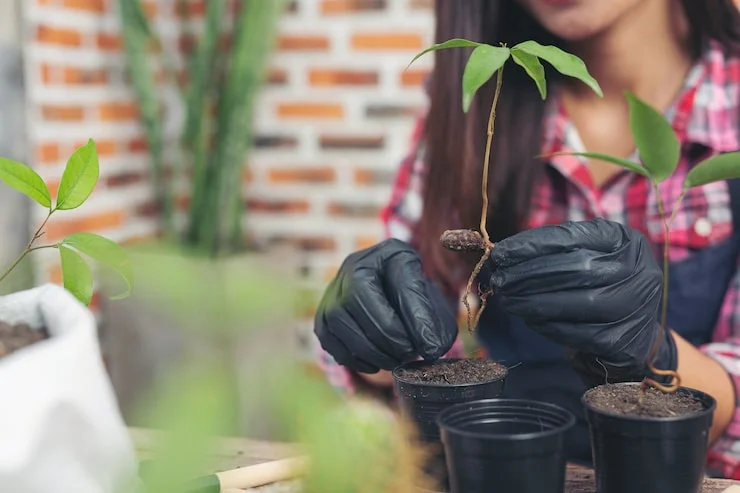
Direct sowing saves money and skips the hardening-off process that indoor seed starting requires. Seeds that germinate where they will grow develop stronger roots because they are not disturbed by transplanting. The main risk is weather, but the flowers on this list handle cool soil and uneven spring temperatures better than tender plants do.
The other advantage is timing. You can sow a batch in early spring, another in late spring, and a third in early summer. That stagger gives you flowers across a longer stretch of the season instead of one brief flush.
Read Also: Best Flowers For Partial Shade Garden
Calendula is one of the easiest flowers you can sow directly outdoors. The seeds are large and curved, almost like little commas, which makes them simple to handle and space out. They germinate in cool soil, so you can sow them in early spring as soon as the ground can be worked.
Sow the seeds about half a centimeter deep in rows or scattered across a bed. Keep the soil moist until seedlings appear. Once they are up, thin them so each plant has about 20 centimeters of space. Calendula does best in full sun and ordinary, well-drained soil. Do not feed them. Rich soil makes them produce leaves at the expense of flowers.
The flowers come in orange, yellow, and peach shades. They are edible, though the taste is peppery and best used as a garnish rather than a main ingredient. Bees visit them constantly. If you leave a few flowers to go to seed at the end of summer, calendula will self-sow and return next year without any effort from you.
One thing to know: in hot, dry weather, calendula can develop powdery mildew on the leaves. Water at the base of the plant rather than overhead to reduce this. Even if mildew appears, it usually shows up late in the season when the plants are finishing anyway.
Cornflower is a wildflower that looks delicate but grows tough. The classic blue is the most common, but you can find varieties in pink, white, purple, and near-black red. The plants reach about 80 to 90 centimeters tall, with smaller varieties available for pots and borders.
Sow cornflower seeds directly outdoors in early spring, around March or April in most climates. Scatter them across prepared soil and cover lightly, about half a centimeter deep. Keep the soil moist until germination. Thin the seedlings so they are about 20 centimeters apart. Cornflowers thrive in full sun and soil that is not too rich. Like calendula, too much fertility leads to floppy growth and fewer flowers.
The flowers attract bees and butterflies in large numbers. They also make excellent cut flowers and dry well for everlasting arrangements. If you cut them regularly, the plants produce more blooms. Let a few flowers go to seed at the end of the season and cornflowers will return the following year on their own.
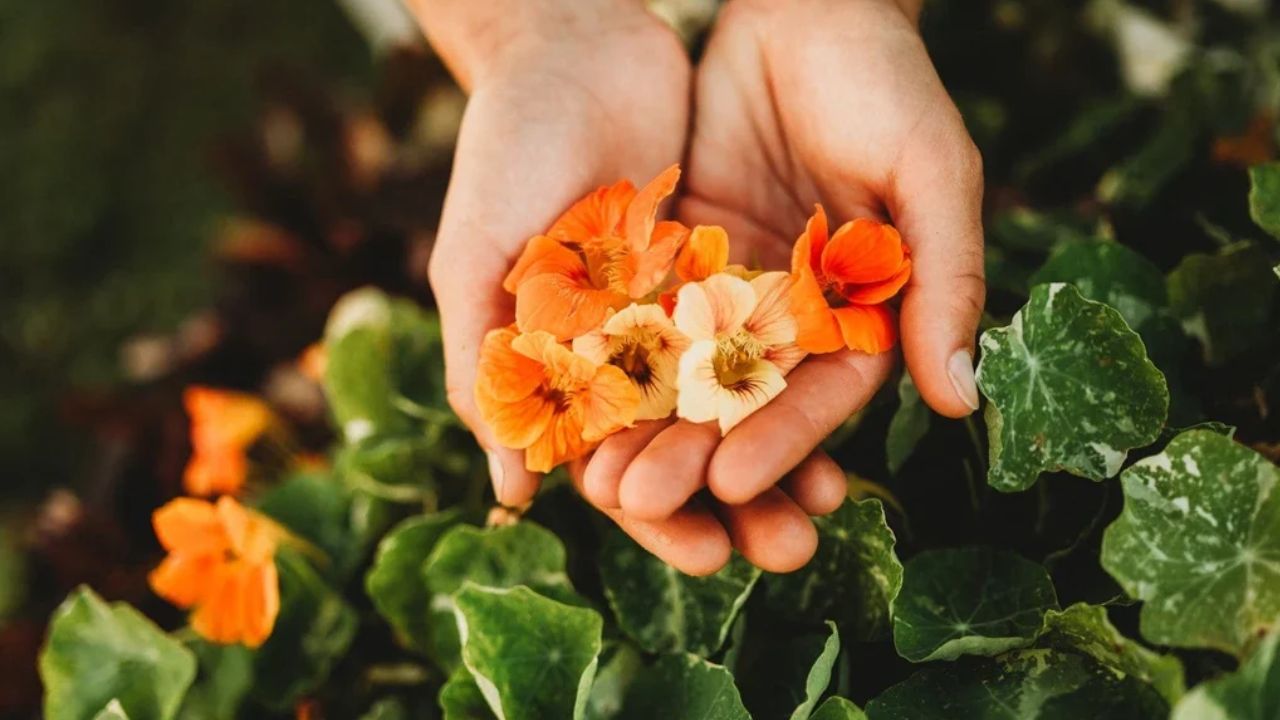
Nasturtium is a fast grower. In about six weeks from sowing, you can have flowers. The plants trail or climb depending on the variety, and the round leaves and bright orange, yellow, or red flowers are unmistakable.
Sow the seeds directly where you want them to grow. Nasturtium seeds are large and easy to place. They do not transplant well, so direct sowing is the right approach. Cover them about one centimeter deep and keep the soil watered. Space the plants 30 to 45 centimeters apart if you are growing a trailing variety, or closer if you want a dense patch.
Nasturtium is not fussy about soil. In fact, poor soil produces more flowers than rich soil. Too much nitrogen gives you a jungle of leaves and very few blooms. Full sun is best, though they tolerate light shade.
The flowers and leaves are both edible. The leaves have a peppery taste similar to watercress, and the flowers make a bright addition to salads. Gardeners often plant nasturtium near vegetables like cucumbers and tomatoes because the flowers draw pests away from the crops.
You May Also Like: How to Attract Butterflies to Your Flower Garden
California poppy is the state flower of California for a reason. It grows in dry, sandy, poor soil where many other flowers struggle. The silky orange petals open in full sun and close in the evening or on cloudy days.
Sow the seeds directly outdoors in early spring or autumn. Do not cover them deeply. California poppy seeds need light to germinate, so press them into the soil surface and barely dust them with soil. Keep the area moist until seedlings appear. Once they are established, they need very little water. Overwatering kills them faster than drought does.
Space the plants about 15 to 20 centimeters apart. They will sprawl and self-sow freely if you let them. In fact, once California poppies are happy in a spot, they often come back thicker every year without any help. The plants are drought tolerant and deer resistant.
Sunflowers are the most dramatic flower on this list. A single seed produces a plant that can reach two meters or more in a single season. The flowers turn to face the sun as they open, then settle into a fixed position once they mature.
Sow sunflower seeds directly outdoors after the last frost. The soil needs to be warm, at least 15 degrees Celsius, for germination. Plant the seeds about two centimeters deep and space them 30 to 45 centimeters apart for full-sized varieties. Dwarf sunflowers can be closer.
Sunflowers need full sun and regular water while they are growing. Once the plants are established, their deep roots find moisture on their own. The flowers attract bees and birds. If you leave the seed heads on the plants at the end of summer, birds will visit to eat the seeds.
One tip: protect young seedlings from slugs and snails. Once the plants are taller than a few centimeters, they grow fast enough to outpace most easy flowers to grow from seeds outdoors.
These six flowers cover a range of colors, heights, and uses. Calendula and cornflower give you cool-season color and cut flowers. Nasturtium brings edible blooms and pest control. California poppy handles dry, poor soil where nothing else thrives. Sunflower delivers the biggest statement with the least effort.
The common thread is this: sow them where they will grow, keep the soil moist until they are up, and then step back. These plants do the rest. Most of them will self-sow, so the patch you plant this year becomes a permanent part of your garden with almost no additional work from you.
.