
×
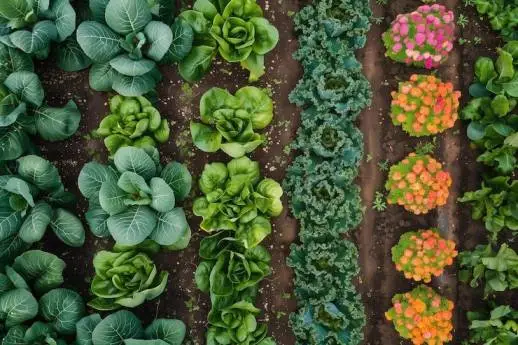
You do not need a backyard to grow food. A sunny balcony, a windowsill, or a small patio can produce fresh vegetables for months if you choose the right crops and give them what they need.
The best vegetables for small spaces share three traits: they stay compact, they produce a lot for the room they take, and they tolerate growing in pots. This guide covers ten reliable choices, the exact container sizes they need, and the common mistakes that kill container gardens.
The short answer: Start with lettuce, radishes, cherry tomatoes, peppers, and herbs. These five crops are forgiving, productive, and fit in pots as small as a few gallons. Add beans, peas, carrots, and leafy greens as you gain confidence.
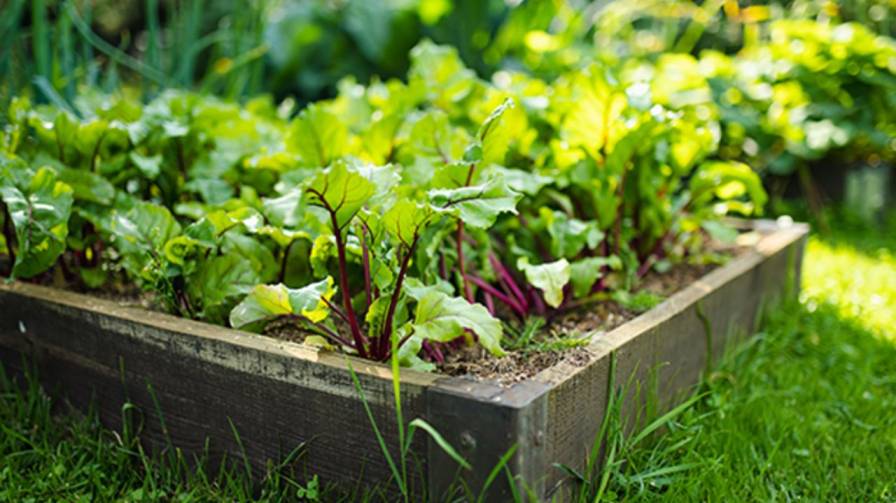
Small-space growing is not about squeezing big plants into tiny pots. It is about matching the plant's natural size to the best vegetables to grow in small spaces.
A full-size tomato plant can grow six feet tall and spread just as wide. That plant will struggle in a five-gallon bucket. A determinate cherry tomato stays bushy and compact, and it thrives in that same bucket.
The same rule applies to roots. Carrots need deep soil to form straight roots. Standard carrot varieties want at least eighteen inches of depth . Short, round varieties like 'Paris Market' or 'Chantenay' manage in containers that are ten to twelve inches deep.
Sunlight is the other limiting factor. Fruiting crops like tomatoes, peppers, and cucumbers need at least six hours of direct sun each day . Leafy greens and root vegetables tolerate partial shade, which makes them useful for balconies that only get morning light.
Soil matters more in containers than in the ground. Garden soil compacts in pots and suffocates roots. Use a soilless potting mix instead. These mixes contain materials like peat moss, perlite, or coconut coir that hold water while letting air reach the roots . Never fill a container with dirt dug from your yard.
Read Also: Best Gardening Tips For Hot Summer Weather
Lettuce is the single easiest vegetable for beginners with limited space. It grows quickly, tolerates partial shade, and you can harvest leaves while the plant keeps producing.
Loose-leaf varieties are the best choice for containers. You can snip outer leaves and leave the center to regrow. 'Little Gem' and 'Tom Thumb' are compact heading types that work well in pots . A six-gallon container holds about three heads of romaine .
Sow lettuce seeds directly into the pot. Space plants about six inches apart. Keep the soil moist but not soaked. In warm weather, lettuce turns bitter and bolts (sends up a flower stalk). Succession planting—sowing a new small batch every two to three weeks—keeps you in fresh leaves through spring and fall .
Radishes are the fastest vegetable in this guide. Early varieties mature in as little as three weeks from seed . That speed makes them perfect for small spaces because you can harvest a crop and replant the same pot with something else.
Radishes do not need deep soil. A container eight inches deep is enough . Space seeds about two inches apart and thin them to give each root room to swell. 'French Breakfast' and 'Easter Egg' are reliable spring choices.
The main mistake with radishes is leaving them in the ground too long. They become woody and hot. Pull them when the root reaches about one inch across.
Cherry tomatoes give you the biggest harvest per square foot of any fruiting crop. A single determinate plant in a five-gallon pot can produce dozens of fruits over a season.
Choose dwarf or determinate varieties. 'Tiny Tim' and 'Tumbling Tom' stay under two feet tall . Indeterminate varieties grow vines that never stop lengthening and will overwhelm a small space unless you train them up a tall support.
Tomatoes need full sun—at least six hours, preferably eight. Use a pot at least twenty inches wide for a single plant . Smaller pots dry out too fast and stress the plant. Water deeply when the top inch of soil feels dry. Feed with a liquid fertilizer every two weeks once the first fruits appear.
Hot peppers are naturally compact plants. Jalapeños, Thai chilies, and habaneros all grow well in three- to five-gallon containers . Sweet bell peppers need more room—a fourteen-inch pot is the minimum .
Peppers love heat and sun. Place them in the warmest spot you have. They grow slowly at first, so start seeds indoors six to eight weeks before your last frost date if possible.
One quirk of peppers: they are perennials in warm climates. If you live in a mild area, you can overwinter a potted pepper plant indoors and get a head start the following year.
Beans and peas are nitrogen-fixing plants, meaning they pull nitrogen from the air and add it to the soil. That makes them useful for crop rotation in containers—grow beans, then follow with a heavy-feeding crop like lettuce.
Bush varieties need no support and stay compact. Plant them in a five-gallon container, spacing seeds about four inches apart. Pole beans and vining peas produce more over a longer season, but they need a trellis or a stake . A simple bamboo tripod works fine on a balcony.
Peas prefer cool weather. Sow them in early spring or late summer. Beans take over when the heat arrives. Together they cover most of the growing season.
Herbs are the most space-efficient crops you can grow. A single basil plant in a one-gallon pot gives you fresh leaves for months. Parsley and cilantro are equally compact.
Mint needs its own pot. It spreads aggressively by underground runners and will crowd out anything sharing its soil. Keep it isolated.
Herbs do not need rich soil. In fact, too much fertilizer reduces their flavor. Water them when the soil surface dries. Harvest frequently—pinching off leaves encourages bushier growth.
Carrots are a root crop, so the container depth matters more than the width. Short varieties need ten to twelve inches of loose, stone-free soil . Standard carrots want eighteen inches.
Use a potting mix without clumps. Fresh compost can be too rich and cause carrots to fork. Sow seeds thinly—about two inches apart—and keep the soil consistently moist until they sprout. Carrot seeds are slow to germinate, sometimes taking two weeks.
Read Also: Exploring the Benefits of Drip Irrigation for Raised Beds Gardening
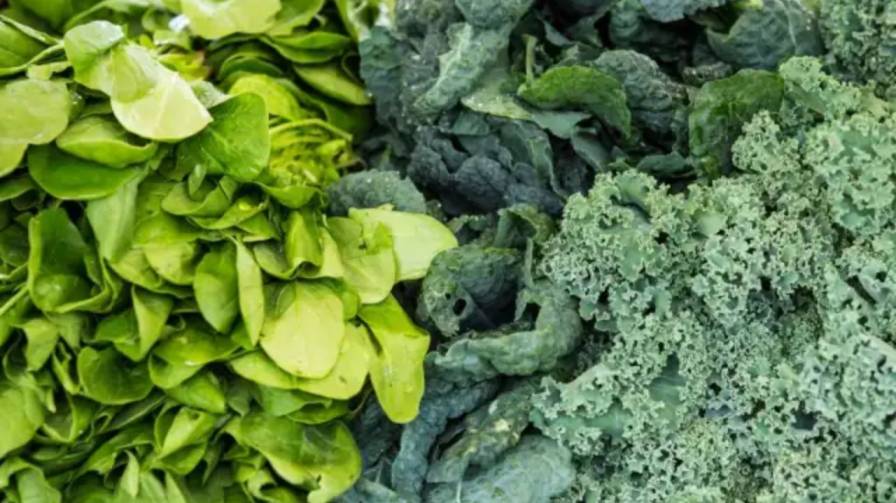
Spinach, kale, and Swiss chard are cut-and-come-again crops. You harvest outer leaves and the plant keeps growing. They tolerate partial shade, which makes them valuable for balconies that do not get full sun.
Spinach bolts quickly in heat. Grow it in spring and fall, not midsummer. Kale and chard are tougher and handle more sun, though they still appreciate some afternoon shade in hot climates.
Space plants about six to eight inches apart in a container at least eight inches deep. Keep the soil moist. These greens are heavy feeders, so add a slow-release fertilizer at planting time.
Cucumbers are vines, and vines take space—unless you choose a compact variety and grow it best vegetables to grow in small spaces.
'Mini Munch' and 'Petita' are dwarf cucumbers that stay manageable in pots . Give them a trellis or a tomato cage and they will climb rather than sprawl. A five-gallon container is the minimum.
Cucumbers need consistent water. Irregular watering produces bitter, misshapen fruits. Check the soil daily in hot weather.
Beets are a dual-purpose crop: you eat the roots and the leaves. The greens taste like spinach and can be harvested while the roots swell underground.
Beets need about eight inches of soil depth . They grow best in cool weather, so plant them in spring or fall. Space seeds about three inches apart and thin to give the roots room.
One beet "seed" is actually a cluster of two to four seeds. Thinning is essential—if you leave every seedling, the roots will stay tiny.
Size matters more than you think. A pot that is too small dries out within hours on a sunny day. It also constrains roots, which limits how much the plant can grow. The Royal Horticultural Society recommends containers at least 45 centimeters (18 inches) in both depth and width for most vegetables . Smaller pots require more frequent watering and feeding.
Drainage is not optional. Every container needs holes at the bottom. Roots need oxygen, and waterlogged soil suffocates them . If you fall in love with a decorative pot that has no holes, drill some, or use it as a cover pot and keep the actual growing pot inside.
Plastic or glazed pots hold moisture longer than terracotta. Terracotta is beautiful and breathes well, but it dries out faster. For beginners, plastic nursery pots or glazed ceramic containers are more forgiving.
Water daily in summer. Container soil heats up faster than ground soil and loses moisture quickly. In hot weather, you may need to water once in the morning and once in the evening. Water until it runs out the drainage holes—shallow watering only wets the surface and leaves deeper roots dry .
Fertilize regularly. Plants in containers cannot send roots out to find nutrients. They only get what you give them. Mix a slow-release fertilizer into the potting soil at planting time, then supplement with a liquid fertilizer every two to four weeks . Organic options like fish emulsion or compost tea work well.
Do not reuse potting mix without refreshing it. Old mix has been depleted of nutrients and may harbor disease. At minimum, blend in fresh compost and slow-release fertilizer before replanting. Better yet, start with fresh mix each season for fruiting crops.
Lettuce and radishes are the most forgiving. Both grow quickly from seed, tolerate less-than-perfect light, and do not need large containers. Radishes mature in as little as three weeks.
Fruiting crops—tomatoes, peppers, cucumbers—need six to eight hours of direct sun. Leafy greens and root vegetables manage with four to six hours, though they produce more with more light .
Yes, but choose carefully. North-facing balconies get little direct sun. Focus on lettuce, spinach, kale, and herbs like mint and parsley. Avoid tomatoes and peppers—they will grow tall and spindly without enough light.
Check the soil every day. When the top inch feels dry, water thoroughly until it drains out the bottom. In summer, most containers need water daily, sometimes twice. Self-watering containers or drip irrigation can reduce the workload .
For best results, yes. Fresh potting mix each season gives plants a clean start with adequate nutrients. If you want to reuse old mix, blend it with compost and slow-release fertilizer, and do not reuse mix from a pot that had diseased plants.
If you have never grown vegetables in containers, do not try all ten crops at once. Pick three.
For a sunny balcony: one cherry tomato plant in a five-gallon pot, one pepper plant in a three-gallon pot, and a window box of lettuce.
For a shady spot: a pot of kale, a pot of spinach, and a small container of mint.
Buy good potting mix, not garden soil. Make sure every pot has drainage holes. Water when the surface dries. Feed every two weeks. That is the entire system.
Small-space gardening rewards attention more than square footage. A plant in a pot is entirely dependent on you for water and food. But that also means you can fix problems quickly. If a plant looks stressed, you can move it, water it, or feed it within minutes. That responsiveness is why container gardens can be surprisingly productive—and why they are a good place to learn.
.


