×
Clay soil is not a problem to fix. It is a resource to understand. Most gardening advice treats clay like a defect. You read that it is heavy, sticky in winter, and hard as brick in summer. All of that is true. But the part that rarely gets enough attention is this: clay soil holds nutrients better than almost any other soil type. It stays moist longer in dry spells. It is, in the words of the Royal Horticultural Society, "potentially very fertile when treated in the right way".
The gardeners who struggle with clay are usually fighting it. The ones who succeed are working with it. That shift in approach changes everything about how you design, plant, and maintain a garden on heavy ground.
This guide is about the second approach. It covers what clay soil actually is, how to make it easier to work, which plants genuinely belong in it, and how to lay out a garden that looks intentional rather than apologetic.
Before you buy a single plant, dig a small hole. Take a handful of moist soil and rub it between your fingers. If it feels smooth and slightly sticky, with no grit, you are holding clay. Roll it into a sausage shape. If it holds together without cracking, the clay content is high. If the surface turns shiny when you rub it, you have what growers call heavy clay.
This matters because clay is not one thing. Some clay soils drain slowly but still support a wide range of plants. Others sit wet for days after rain and bake into cracked plates by July. The difference determines how much work you need to do before planting.
There is a simple test for one of the most frustrating clay problems. Drop a clod of soil into a jar of water and wait two hours. If the water turns cloudy, your clay disperses easily and may respond to gypsum. If the clod simply falls apart without clouding the water, gypsum will do very little. This is worth knowing before you spend money on clay improvers.
You should also notice where water sits after heavy rain. A low corner that holds a puddle for a day is a different planting situation from a slope that drains within an hour. Both are clay. They need different ideas.
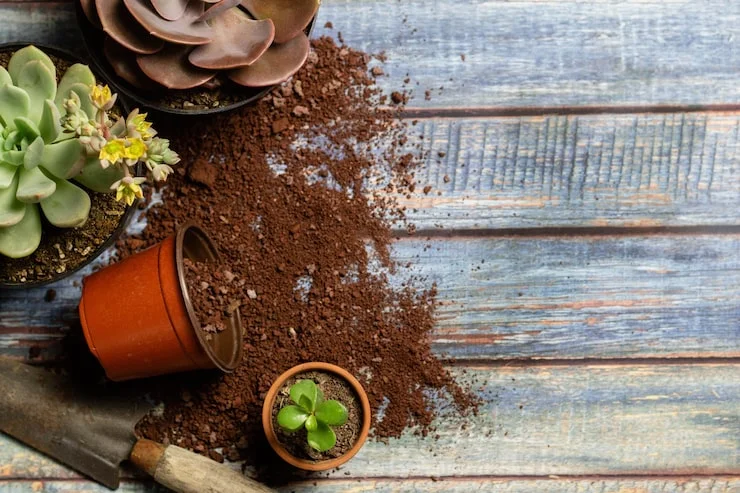
Here is what clay does well. It holds water. It holds nutrients. It stays warm longer into autumn than sandy soil, which extends the growing season for roots. Plants that establish in clay often become stronger and more disease-resistant than the same plants in loose, dry ground, simply because they are not stressed by constant drought.
The problem is structure. Clay particles are tiny. When they pack together, they leave little space for air. Roots need oxygen as much as water. Wet clay suffocates roots. Dry clay becomes so hard that roots cannot push through it. Walking on wet clay destroys the structure completely, compacting it into something closer to pottery than soil.
So the goal is not to eliminate clay. The goal is to open it up. You want the same nutrient-holding capacity with better drainage and more air. Everything that follows works toward that single aim.
Read Also: How To Plan A Vegetable Garden Layout
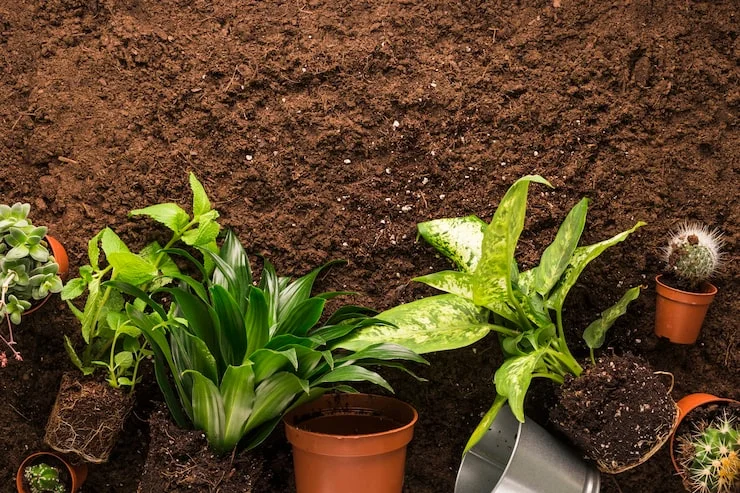
The single most effective thing you can do for clay soil is add organic matter. Not once. Repeatedly. Compost, well-rotted manure, leaf mould, mushroom compost — any of these worked into the surface or laid on top as mulch will gradually change how the soil behaves. This is not a quick fix. It is a habit.
The timing matters more than most people realize. Clay should be dug in autumn or early winter, when the soil is dry enough to crumble but before winter rain saturates it. Once wet, clay should not be walked on or worked until spring. If you miss that window, wait. Digging wet clay creates hard lumps that take years to break down.
For planting holes, there is a detail that saves lives. When you dig a hole in clay, the smooth sides can act like the walls of a bucket. Water collects in the bottom and drowns the roots. Before you put a plant in, rough up the sides and bottom of the hole with a fork. Break the smooth surface so water can move sideways into the surrounding soil.
Mulching is the quiet hero of clay gardening. A layer of compost or well-rotted manure around established plants does three things at once. It slows water loss from the surface. It suppresses weeds. And, over time, worms and weather work it down into the clay, improving structure without any digging at all. Spread mulch when the soil is already moist, not bone dry, so it traps that moisture rather than sealing it out.
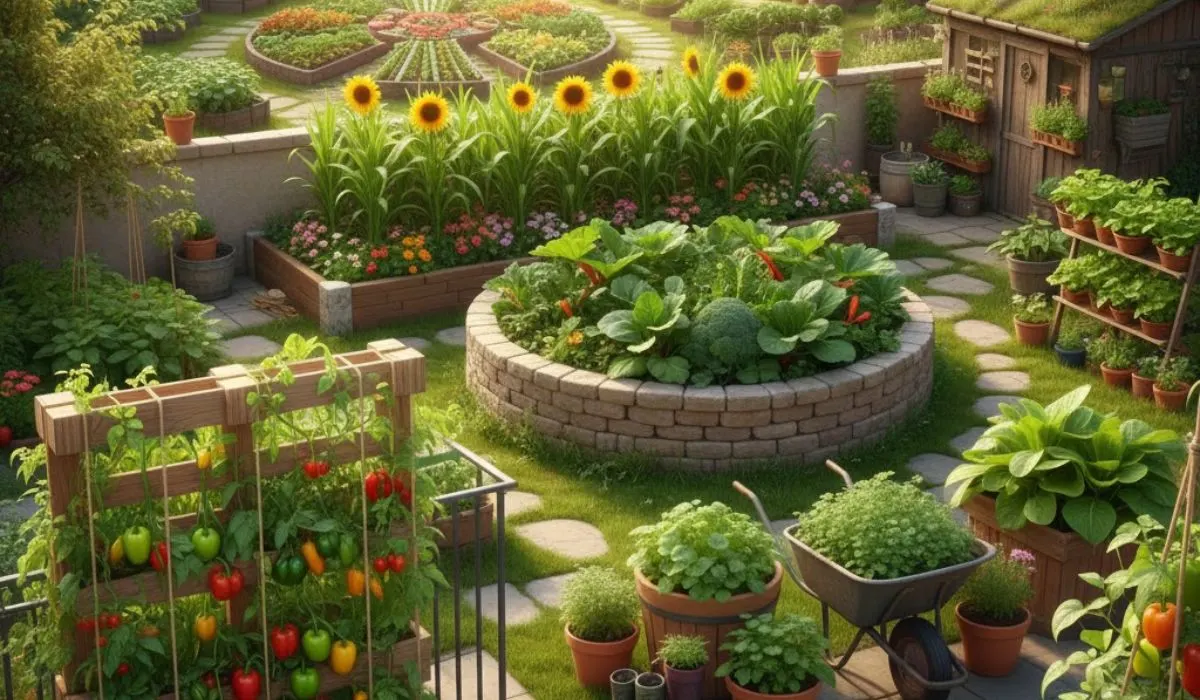
Raised beds are another practical answer, especially for vegetables and anything that needs reliable drainage. They lift the root zone above the worst of the clay and give you control over what the plants actually grow in. The no-dig approach suits clay particularly well because it avoids the compaction that comes from walking on wet beds.
One thing you should not do is add sand. It sounds logical — sand is gritty, clay is sticky, mix them and you get something in between. In practice, small amounts of sand make clay harder and more concrete-like. You would need enormous quantities to change the texture, and the result is rarely worth the effort.
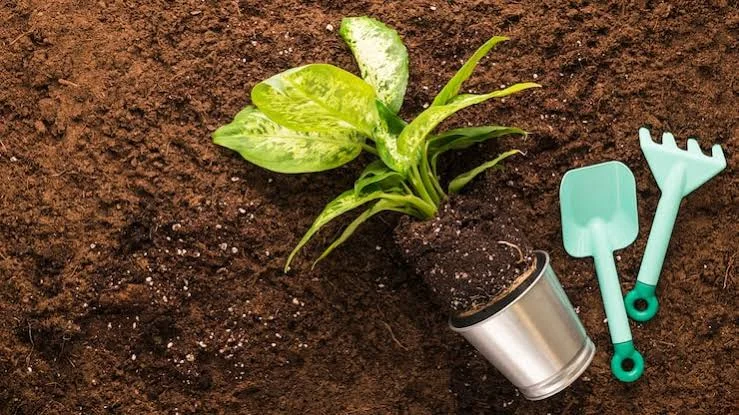
The most reliable garden ideas for clay soil begin with plant selection. Choose species that evolved in heavy ground. They will establish faster, need less watering, and look healthier than anything you try to force into a place it does not fit.
The RHS recommends a simple principle: right plant, right place. Plants adapted to clay are stronger and more naturally resistant to pests and disease. Once established, they need less fertilizer and less extra water. This is not just good gardening. It is less work.
Shrubs and structure. Hydrangea is almost synonymous with clay. It handles the moisture and rewards you with flowers through summer. Viburnum is another strong choice, including Viburnum × bodnantense 'Dawn' for winter fragrance and Viburnum tinus for evergreen structure. Mahonia earns its place with spiky evergreen leaves and winter flowers. Weigela, deutzia, and philadelphus all settle into clay without complaint. For something with colourful stems in winter, Cornus sanguinea works well, especially in a border where you can cut it back hard each spring to keep the colour intense.
Perennials that hold their ground. Hardy geraniums are among the most useful plants for clay. They spread, they flower for weeks, and they do not sulk when the ground stays wet. Geranium 'Orion' is a reliable variety with lavender-blue flowers over a long season. Bergenia provides evergreen ground cover with thick leaves and spring flowers. Sanguisorba brings tall, burgundy drumstick flowers in late summer. Anemone hupehensis gives you soft pink flowers on tall stems when much else is fading. Hostas, daylilies, and Japanese anemones all tolerate clay, though slugs may be the bigger challenge than the soil itself.
Trees for the long term. If you are planting a tree, choose one that will not struggle. Amelanchier is a good small tree with spring blossom and autumn colour. Sorbus aria 'Lutescens' has silver leaves that brighten a border and handles clay without fuss. Hawthorn, birch, and crab apple are all worth considering. The advantage of planting a tree in clay is that once it is established, you will rarely need to water it. The clay holds what the tree needs.
Ground cover to protect the surface. Bare clay is vulnerable. It cracks, it crusts, it grows weeds. Low plants that spread across the surface protect it. Ajuga reptans forms a mat of purple-brown leaves with blue flower spikes in spring. Wild strawberry and barren strawberry are low, tough, and quietly attractive. These are not just decorative choices. They are soil protection.
You May Also Like: Best Vegetable Garden Layout Ideas for Maximum Yield
A clay garden does not need to look like a compromise. The plants that thrive in heavy soil tend to have strong shapes and textures. You can use that.
Think about the border as a layered structure. Tall shrubs like Viburnum or Garrya give height and winter interest. Mid-height perennials like Geranium and Bergenia fill the middle. Low spreaders like Ajuga close the ground. This is not a novel idea, but it works particularly well in clay because each layer protects the soil surface and reduces evaporation.
Colour can come in waves. Spring belongs to the shrubs — weigela, deutzia, viburnum. Early summer brings the hardy geraniums and the first hydrangea flowers. Late summer and autumn belong to the anemones and the sanguisorba, with hydrangea flowers fading through pink and bronze. Winter, if you have chosen well, gives you cornus stems, mahonia flowers, and the evergreen structure of bergenia leaves.
A rain garden is worth considering if you have a low spot that collects water. Instead of fighting the drainage, plant things that like wet feet. Joe-pye weed, great blue lobelia, and marsh blazing star all tolerate both wet and dry periods once established. The garden becomes a solution rather than a problem area.
If the clay is very heavy and you want a wilder feel, a meadow mix designed for clay soils can work. One designer used a native wildflower and grass mix sown directly into clay subsoil after a house build, with no topsoil brought in at all. The meadow is cut once a year, after the yellow rattle seeds have set, usually from late June or later. This is a low-input approach that suits clay's tendency to stay wet and its natural fertility.
Most clay soil failures come from doing too much at the wrong time.
Do not dig or walk on wet clay. This is the single most damaging thing you can do. Wet clay loses its structure when compressed, and rebuilding that structure takes years. If the ground squelches underfoot, stay off it.
Do not plant in a hurry in spring. Clay warms slowly. Roots that go into cold, wet ground sit dormant and may rot before they ever grow. Late winter or early spring planting is safer than autumn planting on heavy clay, because the roots have time to settle before the soil dries and hardens.
Do not expect quick fixes. Gypsum works on some clays and not others. Sand makes things worse. The only reliable long-term improvement is organic matter, added repeatedly, year after year. This is not glamorous advice. It is the advice that works.
And do not choose plants that need sharp drainage. Lavender, rosemary, and most Mediterranean herbs will struggle in clay unless you grow them in raised beds or pots. There is no point fighting the ground when there are so many plants that will thank you for it.
If you are standing in a new garden with heavy clay and wondering where to begin, start small. Pick one border. Improve it with a thick layer of compost and a rough fork-over if the ground is dry enough. Choose five or six plants from the lists above — a shrub for structure, a few perennials for colour, a ground cover for the front edge. Plant them properly, with the sides of the hole roughened and the root ball sitting at the right level. Mulch. Then wait.
The first year will not look like a finished garden. That is fine. Clay gardens improve with time in a way that sandy gardens often do not. The soil you build over three or four years will hold moisture through a dry August, feed your plants without constant fertilizer, and support plants that grow stronger each season.
.