×
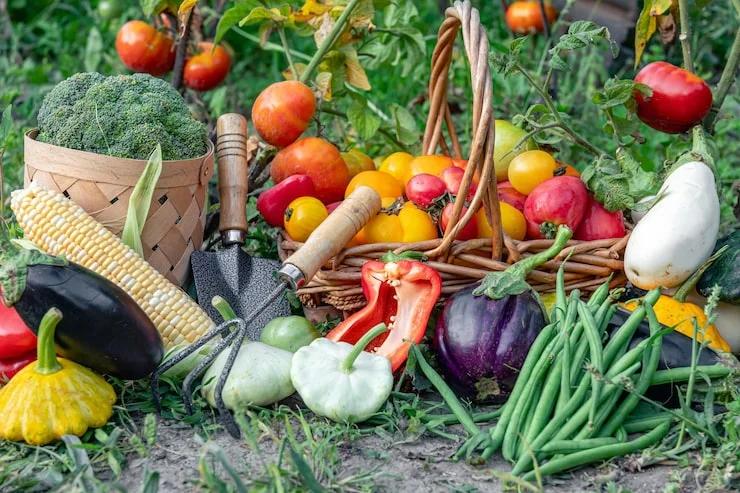
Starting a backyard garden feels overwhelming at first. You see rows of seeds at the store, read about dozens of vegetables online, and wonder which ones will actually grow where you live.
The truth is simple. Some vegetables forgive mistakes. They grow in poor soil, survive inconsistent watering, and still give you something to eat. Others demand perfect conditions and fall apart if you look at them wrong.
This guide focuses on the first group. You will learn which vegetables work best for beginners, how to set up your garden space, and what each plant needs to thrive. No jargon. No fluff. Just practical information you can use this best vegetables for a backyard garden.
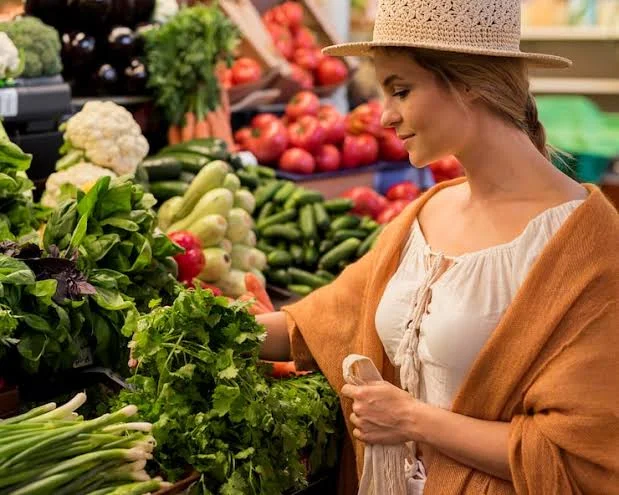
Most first gardens fail for one reason: people plant the wrong things.
A beginner might try growing cauliflower because they love eating it. But cauliflower needs steady temperatures, consistent moisture, and protection from pests. One hot day can ruin the entire crop. Meanwhile, a radish planted at the same time will be ready to eat in four weeks with almost no effort.
The vegetables in this guide share common traits. They tolerate a range of soil conditions . They grow quickly enough that you see results before losing interest. They produce well in small spaces . And they do not require advanced skills to harvest.
Your goal as a new gardener is not to grow everything. It is to grow something successfully. That first taste of a homegrown tomato or a crisp radish you pulled from the dirt builds confidence. From there, you can expand.
Read Also: Low Maintenance Vegetables For Busy Gardeners
Before choosing vegetables, you need a place to grow them. Three factors determine whether your garden succeeds or fails.
Vegetables need sun. Most need at least six hours of direct light each day . Leafy greens like lettuce and spinach can handle a little shade, but plants that produce fruit—tomatoes, peppers, cucumbers—need full sun to yield well .
Watch your yard for a day before deciding where to put your garden. Note which spots get morning sun, which get afternoon sun, and which stay shaded. Morning sun is better than afternoon sun because it dries dew from leaves, reducing disease problems.
Place your garden close to a hose or water source. You will water frequently, especially when plants are young . Hauling watering cans across the yard gets old fast.
Water deeply but less often once plants are established. This encourages roots to grow downward, making plants stronger and more drought-tolerant . A drip hose or soaker hose makes this easier and wastes less water .
Good soil drains well and holds nutrients. If your ground soil is heavy clay or very sandy, build raised beds instead . Fill them with a mix of topsoil, compost, and a material that improves drainage like perlite or coarse sand.
Compost is the single best thing you can add to any soil. It feeds your plants slowly and improves soil structure over time. You do not need to buy expensive fertilizers if your soil has plenty of compost mixed in .
Here are twelve vegetables that work well for beginners. Each entry explains why it is easy, what it needs, and a quick tip to help you succeed.
Tomatoes are the most popular home garden vegetable for good reason. A ripe tomato from your own plant tastes nothing like the ones from a grocery store .
They grow in almost any soil type as long as it drains well. Plant them after the last frost when nights stay above 50 degrees. Give each plant about two feet of space and provide a stake or cage to keep the vines off the ground . This keeps fruit clean and makes harvesting easier.
Water tomatoes regularly. Inconsistent watering causes blossom end rot, a black spot on the bottom of the fruit. A layer of mulch helps keep soil moisture even .
Tip: Plant cherry tomatoes if you are new to gardening. They produce faster and are more forgiving than large slicing varieties.
Peppers come in sweet and hot varieties. Bell peppers are the most common sweet type. Jalapeños and habaneros are popular hot choices.
They need warmth. Do not plant them until the soil has warmed and all danger of frost has passed . Peppers grow well in containers, which lets you move them if the weather turns cold.
Give peppers full sun and consistent water. They benefit from a small stake or support because the fruit gets heavy as it grows . Harvest green bell peppers at any size. If you leave them on the plant longer, they turn red, yellow, or orange and develop a sweeter flavor.
Tip: Peppers grow slowly at first. Be patient. Once the weather heats up, they take off.
Green beans are one of the easiest vegetables you can grow . They come in two types: bush and pole. Bush beans grow in a compact shape and need no support. Pole beans climb and produce over a longer period .
Beans fix nitrogen in the soil, meaning they actually improve your garden for the next crop . They grow in almost any soil and have few pest problems .
Plant seeds directly in the ground after the last frost. Space them three to four inches apart. Keep the soil moist while seeds germinate. Harvest pods every couple of days when they are about the thickness of a pencil. Frequent picking keeps the plant producing .
Tip: Plant a new row of bush beans every two weeks for a continuous harvest through summer.
Lettuce grows fast and takes up little space. You can grow it in garden beds, containers, or even window boxes .
It prefers cool weather. Plant lettuce in early spring or late summer for a fall crop . Hot weather makes lettuce bolt, which means it sends up a flower stalk and turns bitter. Once that happens, the leaves are no longer good to eat.
Harvest outer leaves as needed, or cut the whole plant at the base. It will often regrow for a second harvest. Loose-leaf varieties are easier than head lettuce because you do not need to wait for a tight head to form .
Tip: Sow lettuce seeds every three weeks for a steady supply instead of one big harvest.
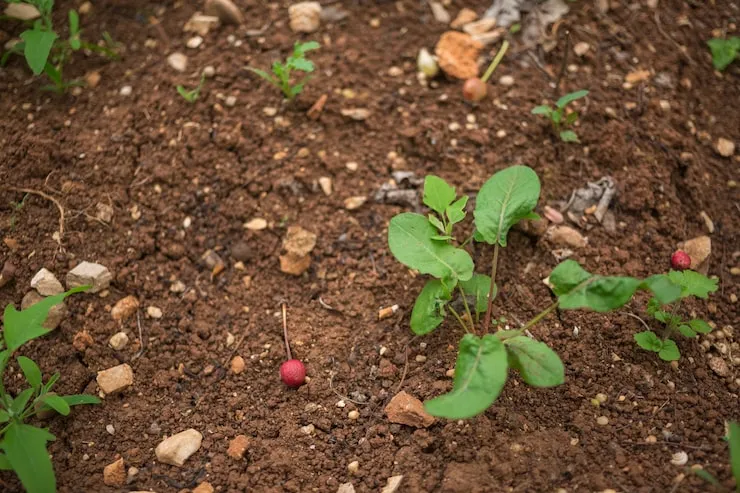
Radishes are the fastest vegetable in this list. Some varieties go from seed to harvest in just three to four weeks .
They grow in almost any soil and need very little care beyond regular watering. Plant seeds directly in the ground about half an inch deep. Thin the seedlings so they stand about two inches apart. Crowded radishes do not form good roots.
If you leave radishes in the ground too long, they become woody and hot. Pull them when the root is about the size of a ping-pong ball.
Tip: Radishes are perfect for teaching children about gardening because the results come so quickly .
Carrots need loose, sandy soil. Heavy clay soil makes them grow crooked or stunted . If your soil is heavy, grow carrots in raised beds or deep containers.
They take two to three months to mature, so they are slower than radishes. But they need very little attention once planted. Keep the soil moist while seeds germinate. Thin seedlings to about two inches apart when they are an inch tall.
The main mistake with carrots is planting them too close together. Crowded carrots twist around each other and never develop properly.
Tip: Mix carrot seeds with sand before planting. This helps you spread them evenly and avoid overcrowding.
Spinach is a cool-weather green that grows quickly and produces for weeks if you harvest it properly.
Plant it in early spring or fall. It tolerates partial shade, which makes it useful for spots that do not get full sun . Sow seeds directly in the ground and keep the soil moist.
Harvest outer leaves when they are young and tender. The plant will keep producing new leaves from the center. When hot weather arrives, spinach bolts and turns bitter. Pull the plants and replant in late summer for a fall crop .
Tip: Spinach grows well in containers. Use a pot at least eight inches deep.
Kale is one of the toughest leafy greens. It survives cold weather, grows in poor soil, and keeps producing for best vegetables for a backyard garden.
Plant kale in spring or fall. It actually tastes sweeter after a light frost. Harvest outer leaves, leaving the center to continue growing. One plant can feed you for an entire season.
Kale has few pest problems compared to other brassicas like cabbage or broccoli. It grows well in raised beds and containers .
Tip: If you have never liked kale from the store, try it fresh from the garden. The flavor is milder and less bitter.
Zucchini is a summer squash that produces abundantly. Two or three plants are enough for most families. One plant can produce several pounds of squash per week during peak season.
It grows in most soil types and needs little beyond regular water . Plant seeds or transplants after the last frost. Give each plant three feet of space because they spread wide.
Harvest zucchini when they are six to eight inches long. If you let them grow too large, the skin gets tough and the seeds become hard. Check plants daily during peak season. A zucchini can go from perfect to oversized in two days.
Tip: Zucchini flowers are edible. Pick a few male flowers, stuff them with cheese, and fry them.
Cucumbers grow quickly and taste far better fresh than store-bought. They need warmth and consistent water.
You can let cucumbers sprawl on the ground or train them up a trellis. Growing them vertically saves space and keeps fruit cleaner . Plant after the last frost when soil is warm.
Harvest cucumbers when they reach the size you want. Smaller cucumbers are crisper and have fewer seeds. Pick regularly to keep the plant producing .
Tip: If cucumbers taste bitter, it is usually because the plant experienced inconsistent watering. Keep soil evenly moist.
Beets are a dual-purpose crop. You eat both the root and the greens . The leaves taste like spinach and are nutritious.
They grow from seed directly in the garden. Plant them about an inch deep and thin seedlings to four inches apart. Beets need consistent moisture to develop tender roots.
Harvest beets when they are two to three inches across. Larger beets get tough and woody. You can also harvest the greens while the roots are still growing.
Tip: Beet seeds are actually clusters of several seeds. You will need to thin them even if you plant carefully.
Swiss chard is a leafy green that tolerates heat better than spinach. It keeps producing through summer when other greens have given up .
The stems come in bright colors—red, yellow, orange, and white. It grows in sun or partial shade and needs little beyond regular water. Harvest outer leaves and the plant keeps growing.
Chard is one of the easiest vegetables for beginners because it is so forgiving. Miss a week of watering? It will survive.
Tip: Cook the stems separately from the leaves. They take longer to soften.
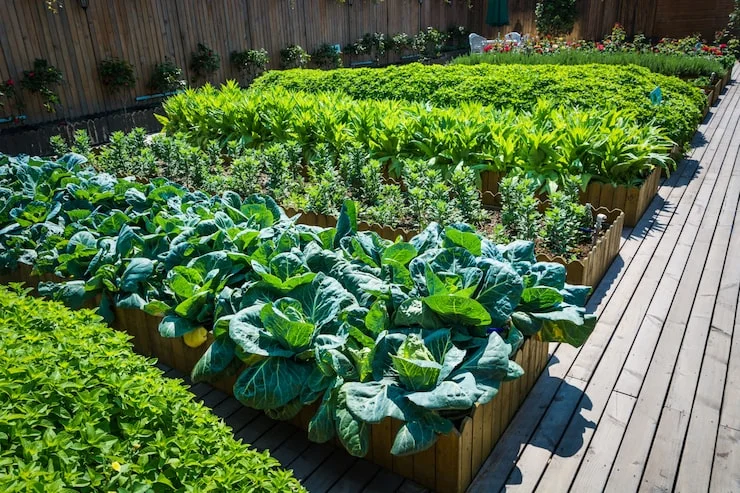
A common mistake is planting too much. Beginners often end up with more zucchini than they can eat and not enough of what they actually use.
Start small. A six-by-six-foot garden is plenty for your first year . Plant a few of several different vegetables rather than a whole row of one thing. This way you learn what grows well in your space without being overwhelmed.
Think about what your household actually eats. There is no point growing ten pounds of radishes if nobody likes them. Grow what you enjoy, and grow a little less than you think you need .
You May Also Like: Want to Know How to Start a Vegetable Garden?
Once plants are in the ground, the work is mostly maintenance.
Water deeply two or three times per week rather than a little bit every day . This encourages deep roots. Check soil moisture by digging a small hole with your finger. If the soil is dry an inch down, it is time to water.
Water in the morning if possible. This gives leaves time to dry before evening, which reduces disease problems .
Weeds compete with your vegetables for water and nutrients. Remove them while they are small. A layer of mulch—straw, shredded leaves, or compost—suppresses weeds and holds moisture in the soil .
If you started with compost-rich soil, you may not need much fertilizer. But heavy feeders like tomatoes and peppers benefit from a boost about five to six weeks after planting . Side-dress by scattering fertilizer near the plants and watering it in.
You will see insects. Not all of them are bad. Ladybugs eat aphids. Bees pollinate your plants. Before spraying anything, identify the bug. Many problems can be handled by picking insects off by hand or spraying plants with a strong stream of water.
Row covers—lightweight fabric draped over plants—keep flying pests away without chemicals .
Every vegetable has a window when it tastes best. Miss that window and quality drops fast.
Radishes get woody. Zucchini gets seedy. Lettuce turns bitter. Learn the signs for each crop you grow.
Harvest in the morning when possible. Vegetables are crispest and most flavorful before the heat of the day . Use a sharp knife or scissors to avoid damaging plants.
Do not wait for vegetables to get as large as the ones at the store. Homegrown produce is often smaller and far tastier. Size does not equal quality.
Starting a backyard garden feels overwhelming at first. You see rows of seeds at the store, read about dozens of vegetables online, and wonder which ones will actually grow where you live.
The truth is simple. Some vegetables forgive mistakes. They grow in poor soil, survive inconsistent watering, and still give you something to eat. Others demand perfect conditions and fall apart if you look at them wrong.
This guide focuses on the first group. You will learn which vegetables work best for beginners, how to set up your garden space, and what each plant needs to thrive. No jargon. No fluff. Just practical information you can use this weekend.
Most first gardens fail for one reason: people plant the wrong things.
A beginner might try growing cauliflower because they love eating it. But cauliflower needs steady temperatures, consistent moisture, and protection from pests. One hot day can ruin the entire crop. Meanwhile, a radish planted at the same time will be ready to eat in four weeks with almost no effort.
The vegetables in this guide share common traits. They tolerate a range of soil conditions . They grow quickly enough that you see results before losing interest. They produce well in small spaces . And they do not require advanced skills to harvest.
Your goal as a new gardener is not to grow everything. It is to grow something successfully. That first taste of a homegrown tomato or a crisp radish you pulled from the dirt builds confidence. From there, you can expand.
Before choosing vegetables, you need a place to grow them. Three factors determine whether your garden succeeds or fails.
Vegetables need sun. Most need at least six hours of direct light each day . Leafy greens like lettuce and spinach can handle a little shade, but plants that produce fruit—tomatoes, peppers, cucumbers—need full sun to yield well .
Watch your yard for a day before deciding where to put your garden. Note which spots get morning sun, which get afternoon sun, and which stay shaded. Morning sun is better than afternoon sun because it dries dew from leaves, reducing disease problems.
Place your garden close to a hose or water source. You will water frequently, especially when plants are young . Hauling watering cans across the yard gets old fast.
Water deeply but less often once plants are established. This encourages roots to grow downward, making plants stronger and more drought-tolerant . A drip hose or soaker hose makes this easier and wastes less water .
Good soil drains well and holds nutrients. If your ground soil is heavy clay or very sandy, build raised beds instead . Fill them with a mix of topsoil, compost, and a material that improves drainage like perlite or coarse sand.
Compost is the single best thing you can add to any soil. It feeds your plants slowly and improves soil structure over time. You do not need to buy expensive fertilizers if your soil has plenty of compost mixed in .
Here are twelve vegetables that work well for beginners. Each entry explains why it is easy, what it needs, and a quick tip to help you succeed.
Tomatoes are the most popular home garden vegetable for good reason. A ripe tomato from your own plant tastes nothing like the ones from a grocery store .
They grow in almost any soil type as long as it drains well. Plant them after the last frost when nights stay above 50 degrees. Give each plant about two feet of space and provide a stake or cage to keep the vines off the ground . This keeps fruit clean and makes harvesting easier.
Water tomatoes regularly. Inconsistent watering causes blossom end rot, a black spot on the bottom of the fruit. A layer of mulch helps keep soil moisture even .
Tip: Plant cherry tomatoes if you are new to gardening. They produce faster and are more forgiving than large slicing varieties.
Peppers come in sweet and hot varieties. Bell peppers are the most common sweet type. Jalapeños and habaneros are popular hot choices.
They need warmth. Do not plant them until the soil has warmed and all danger of frost has passed . Peppers grow well in containers, which lets you move them if the weather turns cold.
Give peppers full sun and consistent water. They benefit from a small stake or support because the fruit gets heavy as it grows . Harvest green bell peppers at any size. If you leave them on the plant longer, they turn red, yellow, or orange and develop a sweeter flavor.
Tip: Peppers grow slowly at first. Be patient. Once the weather heats up, they take off.
Green beans are one of the easiest vegetables you can grow . They come in two types: bush and pole. Bush beans grow in a compact shape and need no support. Pole beans climb and produce over a longer period .
Beans fix nitrogen in the soil, meaning they actually improve your garden for the next crop . They grow in almost any soil and have few pest problems .
Plant seeds directly in the ground after the last frost. Space them three to four inches apart. Keep the soil moist while seeds germinate. Harvest pods every couple of days when they are about the thickness of a pencil. Frequent picking keeps the plant producing .
Tip: Plant a new row of bush beans every two weeks for a continuous harvest through summer.
Lettuce grows fast and takes up little space. You can grow it in garden beds, containers, or even window boxes .
It prefers cool weather. Plant lettuce in early spring or late summer for a fall crop . Hot weather makes lettuce bolt, which means it sends up a flower stalk and turns bitter. Once that happens, the leaves are no longer good to eat.
Harvest outer leaves as needed, or cut the whole plant at the base. It will often regrow for a second harvest. Loose-leaf varieties are easier than head lettuce because you do not need to wait for a tight head to form .
Tip: Sow lettuce seeds every three weeks for a steady supply instead of one big harvest.
Radishes are the fastest vegetable in this list. Some varieties go from seed to harvest in just three to four weeks .
They grow in almost any soil and need very little care beyond regular watering. Plant seeds directly in the ground about half an inch deep. Thin the seedlings so they stand about two inches apart. Crowded radishes do not form good roots.
If you leave radishes in the ground too long, they become woody and hot. Pull them when the root is about the size of a ping-pong ball.
Tip: Radishes are perfect for teaching children about gardening because the results come so quickly .
Carrots need loose, sandy soil. Heavy clay soil makes them grow crooked or stunted . If your soil is heavy, grow carrots in raised beds or deep containers.
They take two to three months to mature, so they are slower than radishes. But they need very little attention once planted. Keep the soil moist while seeds germinate. Thin seedlings to about two inches apart when they are an inch tall.
The main mistake with carrots is planting them too close together. Crowded carrots twist around each other and never develop properly.
Tip: Mix carrot seeds with sand before planting. This helps you spread them evenly and avoid overcrowding.
Spinach is a cool-weather green that grows quickly and produces for weeks if you harvest it properly.
Plant it in early spring or fall. It tolerates partial shade, which makes it useful for spots that do not get full sun . Sow seeds directly in the ground and keep the soil moist.
Harvest outer leaves when they are young and tender. The plant will keep producing new leaves from the center. When hot weather arrives, spinach bolts and turns bitter. Pull the plants and replant in late summer for a fall crop .
Tip: Spinach grows well in containers. Use a pot at least eight inches deep.
Kale is one of the toughest leafy greens. It survives cold weather, grows in poor soil, and keeps producing for months .
Plant kale in spring or fall. It actually tastes sweeter after a light frost. Harvest outer leaves, leaving the center to continue growing. One plant can feed you for an entire season.
Kale has few pest problems compared to other brassicas like cabbage or broccoli. It grows well in raised beds and containers .
Tip: If you have never liked kale from the store, try it fresh from the garden. The flavor is milder and less bitter.
Zucchini is a summer squash that produces abundantly. Two or three plants are enough for most families. One plant can produce several pounds of squash per week during peak season.
It grows in most soil types and needs little beyond regular water . Plant seeds or transplants after the last frost. Give each plant three feet of space because they spread wide.
Harvest zucchini when they are six to eight inches long. If you let them grow too large, the skin gets tough and the seeds become hard. Check plants daily during peak season. A zucchini can go from perfect to oversized in two days.
Tip: Zucchini flowers are edible. Pick a few male flowers, stuff them with cheese, and fry them.
Cucumbers grow quickly and taste far better fresh than store-bought. They need warmth and consistent water.
You can let cucumbers sprawl on the ground or train them up a trellis. Growing them vertically saves space and keeps fruit cleaner . Plant after the last frost when soil is warm.
Harvest cucumbers when they reach the size you want. Smaller cucumbers are crisper and have fewer seeds. Pick regularly to keep the plant producing .
Tip: If cucumbers taste bitter, it is usually because the plant experienced inconsistent watering. Keep soil evenly moist.
Beets are a dual-purpose crop. You eat both the root and the greens . The leaves taste like spinach and are nutritious.
They grow from seed directly in the garden. Plant them about an inch deep and thin seedlings to four inches apart. Beets need consistent moisture to develop tender roots.
Harvest beets when they are two to three inches across. Larger beets get tough and woody. You can also harvest the greens while the roots are still growing.
Tip: Beet seeds are actually clusters of several seeds. You will need to thin them even if you plant carefully.
Swiss chard is a leafy green that tolerates heat better than spinach. It keeps producing through summer when other greens have given up .
The stems come in bright colors—red, yellow, orange, and white. It grows in sun or partial shade and needs little beyond regular water. Harvest outer leaves and the plant keeps growing.
Chard is one of the easiest vegetables for beginners because it is so forgiving. Miss a week of watering? It will survive.
Tip: Cook the stems separately from the leaves. They take longer to soften.
A common mistake is planting too much. Beginners often end up with more zucchini than they can eat and not enough of what they actually use.
Start small. A six-by-six-foot garden is plenty for your first year . Plant a few of several different vegetables rather than a whole row of one thing. This way you learn what grows well in your space without being overwhelmed.
Think about what your household actually eats. There is no point growing ten pounds of radishes if nobody likes them. Grow what you enjoy, and grow a little less than you think you need .
Once plants are in the ground, the work is mostly maintenance.
Water deeply two or three times per week rather than a little bit every day . This encourages deep roots. Check soil moisture by digging a small hole with your finger. If the soil is dry an inch down, it is time to water.
Water in the morning if possible. This gives leaves time to dry before evening, which reduces disease problems .
Weeds compete with your vegetables for water and nutrients. Remove them while they are small. A layer of mulch—straw, shredded leaves, or compost—suppresses weeds and holds moisture in the soil .
If you started with compost-rich soil, you may not need much fertilizer. But heavy feeders like tomatoes and peppers benefit from a boost about five to six weeks after planting . Side-dress by scattering fertilizer near the plants and watering it in.
You will see insects. Not all of them are bad. Ladybugs eat aphids. Bees pollinate your plants. Before spraying anything, identify the bug. Many problems can be handled by picking insects off by hand or spraying plants with a strong stream of water.
Row covers—lightweight fabric draped over plants—keep flying pests away without chemicals .
Every vegetable has a window when it tastes best. Miss that window and quality drops fast.
Radishes get woody. Zucchini gets seedy. Lettuce turns bitter. Learn the signs for each crop you grow.
Harvest in the morning when possible. Vegetables are crispest and most flavorful before the heat of the day . Use a sharp knife or scissors to avoid damaging plants.
Do not wait for vegetables to get as large as the ones at the store. Homegrown produce is often smaller and far tastier. Size does not equal quality.
Radishes and lettuce. Radishes are ready in under a month, and lettuce can be harvested leaf by leaf over several weeks. Both need minimal care beyond water.
How much sun does a backyard vegetable garden need?
Most vegetables need at least six hours of direct sunlight daily . Leafy greens like lettuce and spinach can manage with four to five hours, but fruiting plants like tomatoes and peppers need full sun.
Yes. Many vegetables grow well in containers, including peppers, lettuce, radishes, and cherry tomatoes . Use pots at least eight to twelve inches deep and make sure they have drainage holes.
Cool-season crops like lettuce, spinach, radishes, and peas go in the ground in early spring or fall. Warm-season crops like tomatoes, peppers, and cucumbers go in after the last frost date for your area .
Water deeply two to three times per week, more often in hot weather. Check the soil before watering. If it is dry an inch below the surface, it is time to water .
A backyard garden does not need to be complicated. Choose a sunny spot. Add compost to your soil. Plant a few easy vegetables. Water them. Pull the weeds.
The vegetables in this guide are forgiving. They will not punish you for missing a watering day or for having imperfect soil. They will give you something to harvest even in your first season.
Start with three or four from this list. See what grows well where you live. Next year, expand. Gardening is a skill you build over time, one season at a time.
.