×
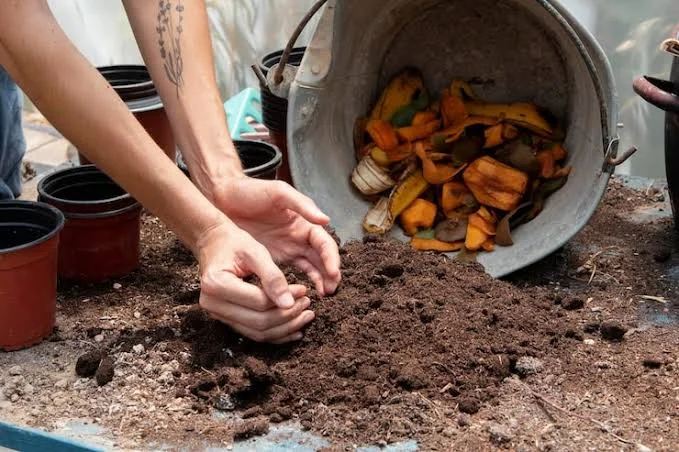
Making your own compost for a vegetable garden is one of the most useful things you can do. It turns kitchen scraps and yard waste into a dark, crumbly material that feeds your soil. That material helps your vegetables grow stronger and taste better. The process is simple once you understand what compost needs and how to keep it working. This article walks you through everything, from choosing a spot to using the finished compost on your beds.
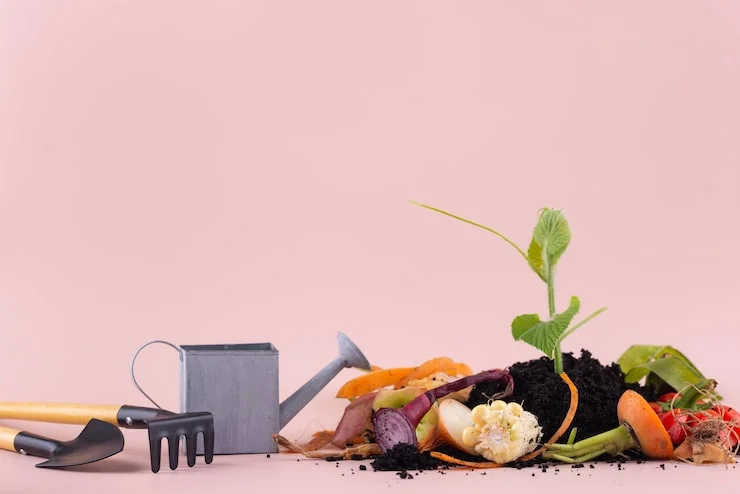
Compost is not just a fertilizer. It is a soil conditioner that changes how your soil behaves. When you mix compost into garden soil, it improves the structure. Heavy clay soil becomes looser and easier for roots to push through. Sandy soil holds water better instead of letting it drain away too fast.
Compost also feeds the living things in your soil. Bacteria, fungi, and worms break down the organic matter and release nutrients that plants can use. This process happens slowly, so your vegetables get a steady supply of food over weeks and months instead of one quick burst. Healthy soil life also helps plants fight off some diseases.
There is another benefit that many gardeners do not think about at first. Compost helps your soil hold onto water. During dry spells, your vegetables will stay hydrated longer. That means less time standing in the garden with a hose.
Read Also: Best Vegetables For A Backyard Garden
You do not need a fancy bin or a large space. A corner of your yard that you can reach easily will work fine. Pick a spot that is level and drains well so water does not pool around the pile. If water collects there, your compost will get too wet and start to smell.
Shade is better than full sun. The sun dries out the pile faster than the microorganisms can work. A spot that gets some shade during the hottest part of the day helps keep moisture levels steady. You also want the pile close to your garden and close to a water source. If it is far away or hard to reach, you will not want to turn it or add to it regularly and how to make compost for a vegetable garden.
If you are using a bin, place it directly on the soil if you can. That lets worms and other helpful creatures move up from the ground into your compost. If you must put it on concrete, add a few shovelfuls of garden soil to the bottom to get things started.
Compost needs two types of material. Gardeners call them greens and browns. Greens are wet and fresh. Browns are dry and dead. Getting the mix right is the single most important thing you can do to make good compost.
Greens include vegetable and fruit scraps from your kitchen, coffee grounds, tea leaves, fresh grass clippings, and green plant trimmings. These materials are rich in nitrogen.
Browns include dry leaves, straw, shredded cardboard, newspaper, wood chips, and dried plant stems. These are rich in carbon.
A simple rule to remember is two or three parts browns to one part greens by volume. If your pile starts to smell like rot or ammonia, you need more browns. If it seems dry and nothing is breaking down, you need more greens or a little water.
Some things should stay out of your compost. Do not add meat, fish, dairy, or oily foods. They break down slowly and attract rats and raccoons. Do not add weeds that have gone to seed, because the seeds may survive and spread when you use the compost. Also skip diseased plants and grass clippings that have been treated with weed killer.
Start with a layer of browns on the bottom, about six inches deep. This helps air get in and keeps the pile from getting soggy. Then add a layer of greens, about two or three inches deep. Sprinkle a little garden soil or finished compost over each layer. That adds the microorganisms that do the actual work of breaking things down.
Repeat these layers until your bin is full or the pile is about three to four feet tall. Water each layer as you go. You want the material to feel like a wrung-out sponge, damp but not dripping. If it is too dry, the process slows down. If it is too wet, the pile goes anaerobic and starts to stink.
There are two main ways to compost, and they suit different gardeners.
Cold composting is the easy way. You add materials as you get them and let nature take its course. You do not need to turn the pile or watch the temperature. The downside is that it takes three to twelve months to get finished compost. This method works well if you are not in a hurry and want a low-effort routine.
Hot composting is faster but requires more attention. You build the pile all at once with the right mix of greens and browns, then turn it regularly. The pile heats up to high temperatures, which kills many weed seeds and pathogens. You can get finished compost in as little as six to eight weeks. The trade-off is that you need to gather enough material at one time and turn the pile at least once a week.
Most home gardeners start with cold composting because it fits into a busy schedule. You can always try hot composting later if you want faster results.
Turning your compost adds oxygen, which the microorganisms need to work. Without oxygen, the pile goes anaerobic and produces a foul smell. Stick a garden fork into the pile and mix it so the outside material goes to the middle and the middle goes to the outside. If you are hot composting, do this once a week. For cold composting, turning every few weeks is enough.
Moisture matters just as much as air. Check the pile every week or so. Grab a handful and squeeze it. It should feel like a damp sponge. If it is dry, add water. If it is soggy, add more browns and turn it to dry it out.
The pile should have an earthy smell, like forest soil after rain. If it smells sour or like garbage, something is off. That usually means too much green material or too much water. Add browns, turn the pile, and give it a few days.
Finished compost looks like dark, crumbly soil. You should not be able to recognize what you put in. The pile will be about half its original size because the materials break down and release water and gas.
Temperature is a good sign. An active pile feels warm or even hot inside. When it stops heating up even after you turn it, the composting process is mostly done.
Another test is to plant a few bean or radish seeds in a small amount of the compost. If they sprout and grow normally, the compost is ready. If they struggle or die, the compost is still too fresh and needs more time to cure.
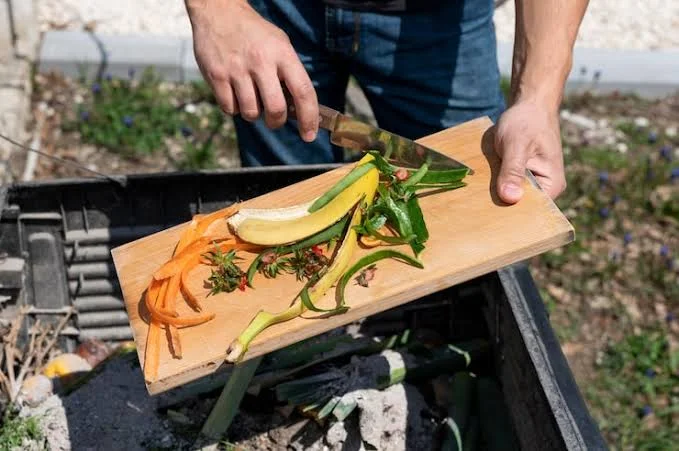
For a new vegetable bed, spread three to four inches of compost over the soil and mix it into the top six to eight inches. This gives new plantings a strong start.
For existing beds, you do not need nearly as much. A quarter inch to one inch per year is plenty. Spread it on top of the soil in spring or fall. Worms and rain will work it into the ground for you. You can also use compost as a mulch around your plants. A one to two inch layer on the surface holds moisture and keeps weeds down.
Do not go overboard. More compost is not always better. Too much can add excess nutrients that run off into nearby water and harm the environment. Stick to the recommended amounts and let the soil life do the rest.
Read: Homemade Fertilizer For Vegetable Garden
The pile smells bad. This means it is too wet or has too much green material. Add browns like leaves or cardboard. Turn the pile to add air.
The pile is dry and nothing is happening. Add water and turn it. You can also add fresh greens like grass clippings to kickstart the process.
The pile is not heating up. It may be too small. A pile that is at least three feet wide and three feet tall holds heat better than a small one. You may also need more greens for nitrogen.
Animals are getting into the compost. Stop adding meat, dairy, and oily foods. Use a bin with a lid or cover the pile with a layer of browns after adding kitchen scraps.
Making compost is not a quick project. It takes time for nature to break down the materials you add. But once you get a routine going, it becomes part of your garden life. You collect scraps, add them to the pile, turn it now and then, and wait. The reward is a free supply of the best soil amendment you can give your vegetable garden.
.