×
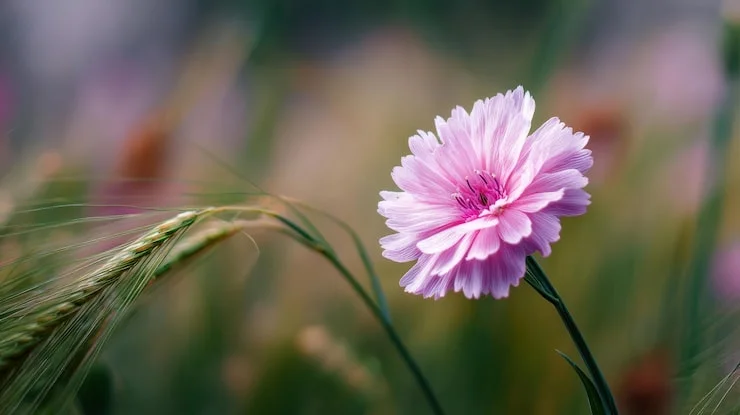
Growing cosmos from seed for cut flowers is one of the smartest moves a home gardener can make. For very little money and a small amount of effort, you get buckets of blooms from midsummer until the first frost. These plants are not fussy. In fact, they often perform better when you ignore them a little. The key is understanding what cosmos actually wants: sun, poor soil, and regular harvesting. If you give them those three things, they will reward you with more stems than you know what to do with.
This guide covers the whole process, from choosing the right seeds to keeping your cut stems looking fresh in a vase for a full week. Every step is based on what actually works in a real garden, not on complicated theories.
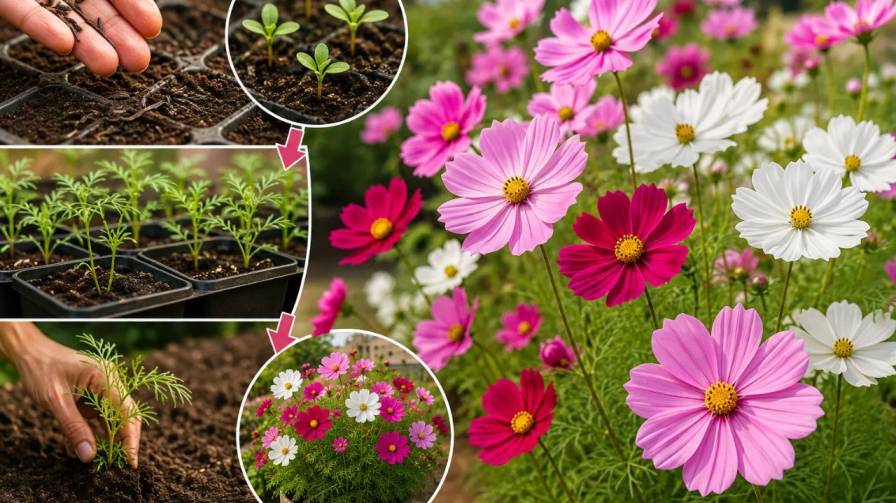
Not all cosmos are equal when your goal is a vase of flowers. The common garden cosmos, Cosmos bipinnatus, is the best choice for cutting because it grows tall and produces long stems . The yellow and orange types, Cosmos sulphureus, tend to have shorter stems and are less useful for growing cosmos from seed for cut flowers.
If you want the classic look, single varieties like 'Purity' (pure white) or 'Sensation' (mixed colors) are reliable. These single types are open and airy, and they look beautiful in a simple jar. For something with more weight and texture, look at the Double Click series. These have fully double blooms that resemble small peonies, and they hold their petals well . 'Double Click Cranberries' is a rich wine red, while 'Double Click Snow Puff' is a clean, fluffy white .
Height matters for cutting. You want stems that are at least 50 centimeters long, and ideally longer . Tall varieties like 'Purity' can reach 90 to 100 centimeters, giving you plenty of stem to work with . Short, compact varieties are great for pots, but they will not give you the long, elegant stems that a cut flower arrangement needs.
Read Also: Easy Flowers To Grow From Seed
You have two main paths for starting cosmos, and both work well. Which one you choose depends on how early you want flowers and how much space you have indoors.
Starting seeds indoors gives you a head start. Sow them about four to six weeks before your last expected frost date . Use a light, well-draining seed mix. Cosmos seeds need light to germinate, so barely cover them with a sprinkle of soil or vermiculite. Keep the surface moist but not soaking wet. At a temperature around 20 to 22 degrees Celsius, seedlings should appear in seven to fourteen days .
The main thing to remember with indoor starts is that cosmos roots are sensitive. They do not like being disturbed. Handle the seedlings gently when you pot them on, and try not to break the root ball . Harden them off slowly before planting them outside, letting them get used to sun and wind over a week or so.
Direct sowing is simpler. Wait until the soil has warmed up and all danger of frost has passed. Scatter the seeds where you want them to grow and cover them very lightly, about a quarter of an inch deep . Keep the ground moist until they sprout. This method avoids any transplant shock, and the plants often catch up quickly. The downside is that you get flowers a few weeks later than you would with indoor starts.
This is the most important thing to understand about cosmos. These plants do not want rich soil. In fact, if you give them too much compost or fertilizer, you will get a huge, leafy green plant with almost no flowers . The nitrogen in rich soil pushes leaf growth at the expense of blooms.
Cosmos actually thrive in poor, sandy, well-draining soil . The only thing they truly need is good drainage. If their roots sit in wet, soggy ground, they will rot. If you are growing in pots, mix in some perlite or grit to make sure water flows through freely .
So, resist the urge to pamper them. Do not feed them with liquid fertilizer. Do not dig in a wheelbarrow of manure before planting. Just find a sunny spot with average soil that drains well, and let them get on with it. The leaner the soil, the more flowers you will get.
When your seedlings are ready to go outside, or when you are thinning your direct-sown seedlings, give them space. Planting them too close together seems like a good idea if you want a full bed, but it actually causes problems. Crowded plants stay thin and weak, and they are more likely to get mildew because air cannot move around them.
Space your cosmos about 30 to 45 centimeters apart . Wider spacing encourages stronger, thicker stems . Strong stems are exactly what you need for cutting. If the plants have to compete for light, they will stretch upward and produce weak, floppy stems that bend as soon as you put them in a vase.
Cosmos need full sun. A spot that gets at least six to eight hours of direct light is ideal. In shade, the plants will grow tall and spindly, and they will produce very few flowers . Find the sunniest part of your garden for your cutting patch.
Pinching is a simple step that makes a huge difference. When your cosmos plants are about 20 to 25 centimeters tall, or when they have developed three or four pairs of true leaves, snip off the very top of the main stem . Just use your fingers or a pair of clean snips.
This seems harsh, but it forces the plant to stop putting all its energy into one central stalk. Instead, it sends out side shoots. Those side shoots become multiple stems that you can cut. An unpinched cosmos often grows into one tall stem with a single flower at the top. A pinched cosmos grows into a bushy plant with many branching stems, which means many more flowers over the season .
You can pinch again a few weeks later if the plant is growing vigorously. Every time you cut the growing tip, you encourage more branching.
Once cosmos are established, they are quite drought-tolerant. They have deep roots and they prefer to dry out a little between waterings. Water them deeply once a week or so if it has not rained, but do not keep the soil constantly wet . Overwatering can lead to root problems and weak growth.
Tall varieties may need some support, especially if your garden is windy. You can use bamboo canes and string, or stretch a net horizontally over the plants when they are young and let them grow through it . Staking keeps the stems straight and prevents them from snapping in bad weather.
The most important ongoing task is harvesting. The more you cut, the more the plant will bloom. This is not a plant that you leave alone and admire from a distance. Every time you cut a stem for a vase, you are telling the plant to make another one. If you stop cutting, the plant will set seed and slow down its flower production.
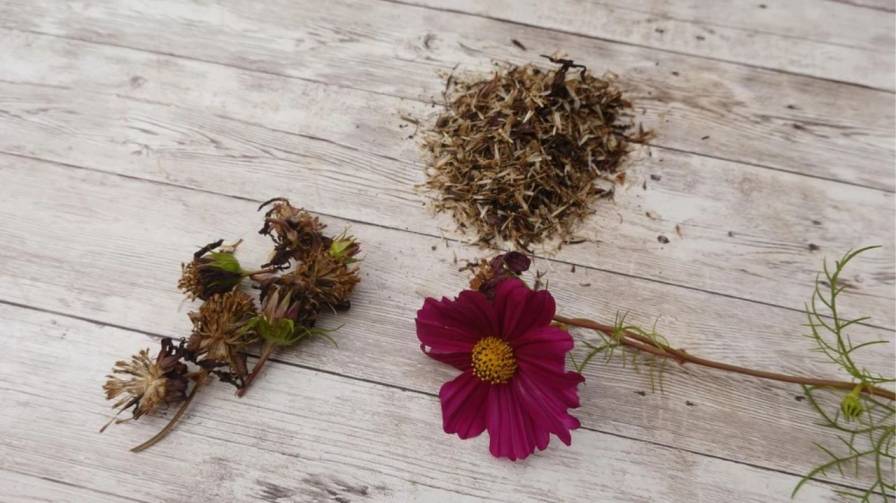
Timing is everything when you cut cosmos. Do not wait until the flower is completely open and flat. The best time to cut is when the buds are just beginning to open, or when the petals are about half open . A fully open cosmos will often drop its petals within two or three days in a vase. A bud that is just cracking open will continue to open indoors and will last much longer .
Cut in the cool of the morning or in the evening, when the plant is full of water. Use sharp snips or scissors and cut the stem at an angle. Make the cut just above a set of leaves or a side shoot, so the plant has a good place to send out its next flush of flowers.
Have a bucket of cool, clean water ready. As soon as you cut a stem, put it straight into the water. Some growers say the stem should be in water within seconds of being cut . This prevents air from getting into the stem and blocking water uptake. If you are cutting several stems, take the bucket with you into the garden rather than carrying dry stems around.
Once you are indoors, strip off any leaves that would sit below the water line in your vase. Leaves in water rot and create bacteria, which makes the flowers fade faster. Recut the stems at an angle one more time before you arrange them, just to make sure the ends are fresh and open.
You May Also Like: Best Flowers For A Low Maintenance Garden
Cosmos are generally good in a vase, lasting around five to seven days if you treat them well . Change the water every day or two. Clean water is the single best thing you can do to keep cut flowers fresh. If the water looks cloudy, change it immediately and rinse the stems.
Keep your vase out of direct sun and away from heat sources. A cool spot will make the flowers last much longer. You can add a commercial flower food to the water, but it is not strictly necessary if you change the water often and recut the stems every couple of days.
One of the nice things about cosmos is that they are a "cut and come again" flower. The more you pick, the more the plant produces. A healthy patch of a dozen cosmos plants can easily give you a handful of stems every other day through the summer. That is a lot of bouquets for a packet of seeds.
Cosmos are generally trouble-free, but a few things can go wrong. If your plants are tall and leafy but have no flowers, the most likely cause is too much richness in the soil or too much shade . Move them to a sunnier spot next year, or stop feeding them.
Powdery mildew can appear on the leaves in late summer, especially if the plants are crowded. It looks like a white dusting on the foliage. Good spacing and airflow are the best prevention. If it appears, you can cut back the affected stems and remove them from the growing cosmos from seed for cut flowers.
Aphids sometimes gather on the new growth, but they rarely cause serious damage. Ladybirds and other predators usually take care of them. Slugs and snails can be a problem for young seedlings, so keep an eye out when you first plant them out .
If your cosmos stems are floppy and will not stand up, they probably need more space or more sun. Crowded plants compete for light and grow weak. Next time, thin them more ruthlessly. Strong stems come from plants that have room to breathe and plenty of light hitting every leaf.
Growing cosmos for cut flowers is a forgiving process. You do not need a greenhouse, expensive tools, or special soil. You need seeds, sun, and the willingness to cut your flowers often. Start with a tall variety, plant it in a sunny spot with average soil, pinch it once when it is young, and then keep harvesting. The plants will do the rest. Before long, you will have more vases of flowers than you have vases.