×
Starting an indoor vegetable garden is one of the most rewarding things you can do with a small space. You do not need a backyard. You do not need expensive equipment. You just need to understand a few basic rules about light, water, and soil, and then pick the right plants to start with.
This guide walks you through every step. It is written for someone who has never grown anything before. By the end, you will know exactly what to buy, what to plant, and how to keep your indoor garden alive and producing food for months.
Fresh food tastes better when you grow it yourself. That is the simple truth. A lettuce leaf you pick from a pot on your windowsill has more flavor than anything that spent a week in a truck. You also control what goes into the soil and onto the plant, so you know your food is clean.
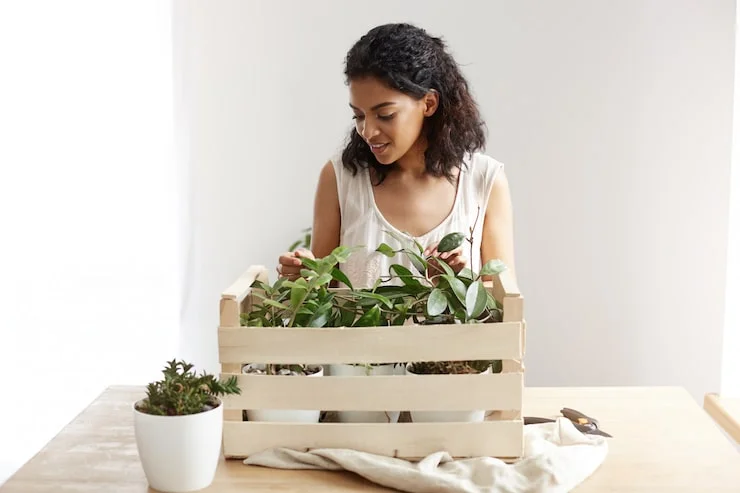
Indoor gardening also works all year. Winter does not stop you. Rain does not stop you. You can harvest herbs in January while snow sits on the ground outside. For people in small apartments or homes without yard space, this is the only way to grow food at all.
The other benefit is mental. Watching something grow from a seed to a plant you can eat is calming. It gives you a small daily task that feels meaningful. Many people find that ten minutes of plant care in the morning sets a better tone for the day.
Read Also: Best Low Light Indoor Plants For Apartments
If you get light wrong, nothing else you do will matter. Vegetables need more light than most houseplants. A dark corner that keeps a pothos alive will not grow a tomato. You need to be honest about how much natural light your space gets before you buy a single seed.
South-facing windows give the most light in the northern hemisphere . They get direct sun for hours and bright indirect light for the rest of the day. This is the best spot for any vegetable you try to grow indoors. East-facing windows give good morning sun but fade to shade in the afternoon. West-facing windows are the opposite: shady mornings, strong afternoon sun. North-facing windows give the least light and will not support most vegetables without help .
Walk through your home at different times of day. Watch where the sun actually lands. Do not guess. A spot that looks bright to your eye may still be too dim for a plant that evolved in full sun.
Even a good south window may not be enough in winter. Days are short and the sun sits low. This is when a grow light becomes necessary. You do not need a professional setup. A simple LED grow light bar costs between fifty and two hundred dollars and will keep your plants producing through the dark months .
Hang the light close to your plants. For LED bars, twenty to forty centimeters above the top leaves works well . If the light is too far away, plants stretch and become weak. If it is too close, leaves scorch and turn brown at the edges . Run your light for twelve to sixteen hours a day, and then turn it off. Plants need darkness to rest and convert the energy they made during the day . A cheap timer from any hardware store makes this easy and prevents you from forgetting.
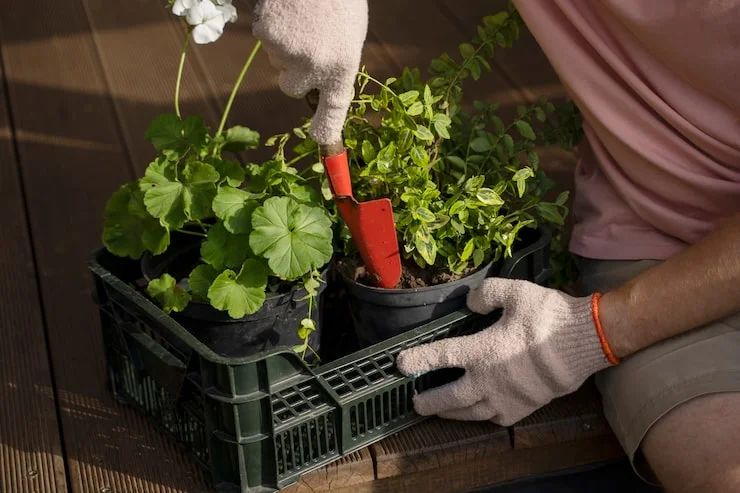
Any container with drainage holes can work. Terracotta pots, plastic grow bags, food-grade buckets, even old yogurt containers with holes punched in the bottom. The drainage holes are not optional. Without them, water pools at the bottom, roots sit in mud, and the plant rots .
Size matters more than most beginners realize. A tiny pot dries out fast and forces roots to circle around themselves, which stunts growth. For leafy greens like lettuce and spinach, aim for a pot that is at least fifteen to twenty centimeters deep. For herbs like basil, a similar size works. If you want to try a dwarf tomato or a pepper, you need a much bigger container, at least five gallons per plant .
Do not fill the pot to the very top with soil. Leave two to three centimeters of space below the rim. This gives water room to soak in instead of running over the sides and making a mess .
This is a mistake many beginners make. They dig up soil from the garden or a nearby field and put it in a pot. That soil is too dense for containers. It compacts, drains poorly, and may carry insects, weed seeds, or diseases .
Buy a bag of potting mix instead. Look for a mix labeled for vegetables or food plants. These mixes are light, hold moisture without staying soggy, and are sterile enough to give your plants a clean start. A simple blend of compost, vermiculite, and coconut coir works well if you want to mix your own, but buying a bag is easier for a first attempt .
Fill your pots with this mix and water it lightly before planting. The soil should be damp all the way through, but not dripping wet. If you squeeze a handful, it should hold together loosely and then crumble when you poke it.
Some plants forgive mistakes. Others do not. Start with the forgiving ones. If you succeed with these, you will have the confidence and the skills to try harder crops later.
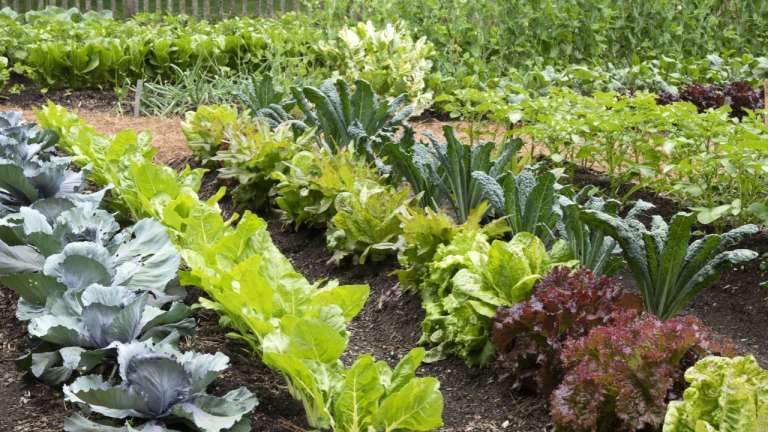
Leafy greens are the best choice for a first indoor garden. Lettuce, spinach, kale, and Asian greens like pak choi grow quickly and do not need as much light as fruiting plants . They also take up little space. A windowsill with a few small pots can give you salads for weeks. You can harvest outer leaves and let the plant keep growing, or cut the whole thing and start again.
Herbs are the second easiest group. Basil, parsley, coriander, and mint all grow well indoors with decent light . Basil needs more sun than parsley, so put it in your brightest spot. Mint is almost too easy and will spread if you let it, so keep it in its own pot. These herbs cost very little to grow and you will use them constantly in cooking.
Radishes grow fast from seed and take up little room. They are a good choice if you want to see results quickly. Salad onions also work in small pots and can be snipped as needed.
Avoid tomatoes, peppers, and other fruiting vegetables for your first attempt. They need intense light, more space, and consistent feeding. They are not impossible indoors, but they are not beginner-friendly. Get a few harvests of greens and herbs under your belt first.
You May Also Like: How Much of Us Farms Are Outdoors vs Indoors?
Overwatering kills more indoor plants than anything else. It is easy to do. You love your plants, so you water them every day. The soil stays wet. The roots cannot breathe. The plant turns yellow, wilts, and dies. Then you water it more because it looks sad, and that finishes the job.
The fix is simple: check the soil before you water. Push your finger into the soil up to your first knuckle. If it feels dry at that depth, water. If it feels damp, wait . For small pots, you can also lift them. A dry pot feels light. A wet pot feels heavy. After a few weeks, you will know by weight alone.
When you do water, water thoroughly. Pour until water runs out the drainage holes at the bottom. Then stop. Do not let the pot sit in a saucer full of water. Empty the saucer after a few minutes. Roots that sit in standing water will rot.
Leafy greens and herbs like consistent moisture. They do not want to dry out completely between waterings, but they also do not want to be soggy. Aim for damp, not wet . Fruiting plants like tomatoes need more water when they are flowering and producing fruit, but you are not growing those yet.
Plants need moving air. In a closed room, humidity builds up around the leaves and creates the perfect conditions for mold and fungus. A small fan running on low speed near your plants solves this. It also makes stems stronger because the plants have to work slightly to stand up against the breeze .
Do not point the fan directly at the plants from close range. Just keep the air in the room moving. An oscillating fan set on low, placed a meter or two away, is enough.
Potting mix contains some nutrients, but not enough to last forever. After about a month, your plants will start to look pale or grow slowly. That is your signal to feed them.
Use a liquid fertilizer made for vegetables or herbs. Mix it with water according to the bottle directions and apply it every two weeks . Do not feed more often than the label says. More fertilizer is not better. It can burn roots and kill the plant. If you are growing leafy greens, a fertilizer with more nitrogen supports leaf growth. If you are growing herbs, a balanced feed works fine.
Organic options like fish emulsion or kelp work well, but they smell strong. If you are growing indoors in a living space, you may prefer a odorless synthetic fertilizer. There is no shame in that. The goal is to grow food, not to pass a purity test.
Yellow leaves usually mean too much water or not enough light. Check the soil first. If it is wet, stop watering for a few days. If it is dry and the plant is in a dim spot, move it closer to a window or under a light.
Leggy, stretched stems mean the plant is reaching for light. Move the light closer or move the plant to a brighter spot . If the stem is already too weak, you can sometimes bury it deeper when you repot, but prevention is easier.
Small flying insects around the soil are likely fungus gnats. They come from soil that stays too wet. Let the top layer of soil dry out between waterings and put a yellow sticky trap near the pot to catch the adults . A fan helps too.
Brown, crispy leaf edges can mean the light is too close or the air is too dry. Move the light up a few centimeters and check that the plant is not sitting directly over a heating vent.
Wilting is tricky because it can mean both too little and too much water. Check the soil. If it is bone dry, water. If it is soaking wet, the roots are drowning and you need to let it dry out. Do not water a wilted plant automatically. Check first.
If you want to begin this week, here is what to do.
Buy three or four small pots with drainage holes. Buy one bag of potting mix for vegetables. Buy seeds for lettuce, basil, and radishes. Buy a small LED grow light if your brightest window is not south-facing, or if it is winter.
Fill your pots with soil, leaving space at the top. Water the soil until it is damp. Plant your seeds according to the packet depth. Lettuce and basil seeds barely need covering. Radish seeds go a little deeper. Put the pots in your brightest spot or under your light.
Check the soil every morning. Water only when the top knuckle feels dry. Turn on your fan. Wait.
In a week or two, you will see small green shoots. In three to four weeks, you can start harvesting lettuce leaves. In six to eight weeks, you will have radishes to pull. The first bite will teach you more than any guide can.
Indoor vegetable gardening is not complicated. It is a set of small habits: check the soil before watering, keep the light close, let the air move, feed every couple of weeks. The plants do the rest.
Start small. One windowsill, a few pots, the easiest crops. Pay attention to what your plants tell you. They will show you when they are happy and when something is wrong. Your job is to notice and adjust. That is all gardening is, really. Noticing and adjusting, season after season, until the things you grow become part of your daily life.
.